2026 Top Farrowing Cages for Efficient Pig Farming?
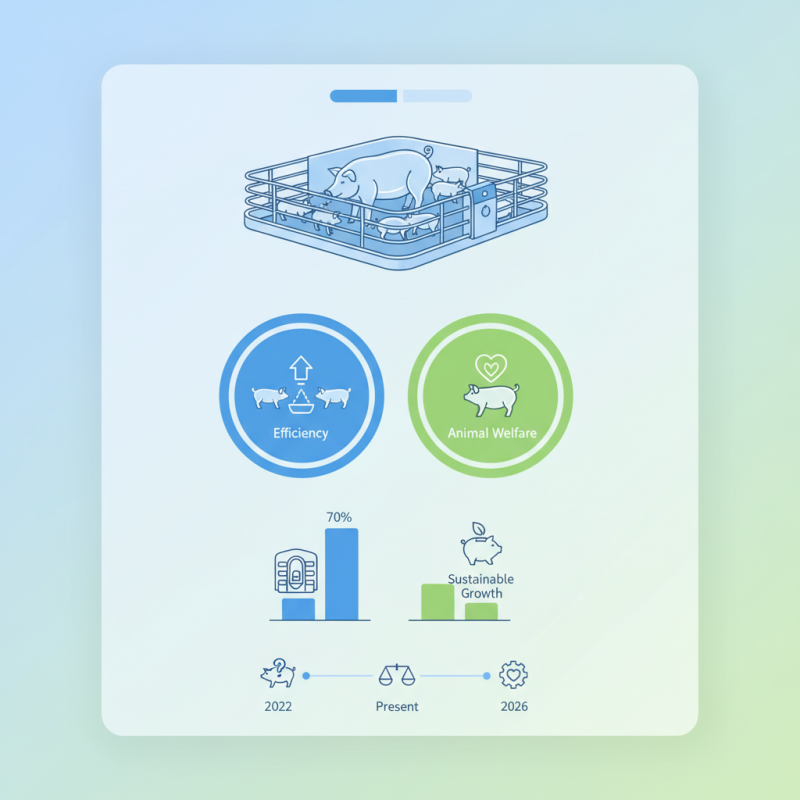
In the evolving landscape of pig farming, efficiency and animal welfare are paramount. Farrowing Cages play a crucial role in achieving these goals. According to the National Pork Producers Council, nearly 70% of pig farmers utilize some form of farrowing cage. These cages provide a controlled environment for both sows and piglets, enhancing survival rates and promoting better growth.
However, there are challenges that come with these systems. Critics argue that farrowing cages may limit natural behaviors, raising ethical concerns. A 2022 study highlighted that while productivity can improve, the psychological welfare of sows must not be overlooked. Striking a balance between efficiency and animal care remains critical as the industry advances.
As farmers evaluate their options for 2026, understanding the latest innovations in farrowing cages is essential. New designs are being introduced that promise higher efficiency and better animal comfort. Overall, the choice of farrowing cages will significantly shape the future of pig farming, impacting both productivity and animal welfare. The industry must reflect on these factors for sustainable growth.
Overview of Farrowing Cages and Their Importance in Pig Farming
Farrowing cages are vital in modern pig farming. They provide a safe environment for sows and piglets. These cages help reduce stress during farrowing. Stress can lead to complications, affecting both mother and piglets. Proper design ensures that sows can give birth without undue pressure.
The welfare of the animals is a key concern. Cages limit movement, which raises questions about ethical practices. Critics argue that confinement can cause behavioral issues. Balancing efficiency with animal welfare is a challenge. Farmers must evaluate the benefits of these systems carefully.
Effective farrowing cages offer critical advantages. They can help in heat management and cleanliness. This environment can minimize disease transmission. However, farmers need regular training to use these cages effectively. Continuous assessment of their impact on sow comfort is necessary.
2026 Top Farrowing Cages for Efficient Pig Farming
Key Features to Consider When Choosing Farrowing Cages
When selecting farrowing cages, certain features stand out as essential for efficient pig farming. One crucial aspect is the size of the cage. Adequate space allows sows to move comfortably while nesting. A cramped environment can lead to stress, impacting their health and productivity. Furthermore, design matters. Cages should provide easy access for caregivers for monitoring and feeding. This can save time during daily operations.
Another vital feature to consider is ventilation. Proper airflow is necessary to maintain temperature and reduce moisture buildup. Poor ventilation can lead to respiratory issues in both sows and piglets. Ease of cleaning should also be a priority. A design that simplifies sanitation helps prevent disease spread. Observing the cage’s materials is important too. They should be durable but not harmful to the animals.
Farrowing crates often have adjustable components. This adaptability can accommodate different sow sizes and conditions. However, it’s essential to find a balance between confinement and comfort. Overly restrictive designs may hinder natural behaviors, ultimately affecting the health of the litter. Every farm has unique needs. Reflecting on these factors will lead to better choices in farrowing cage selection for pig farming.
Top 2026 Farrowing Cage Models for Enhanced Efficiency
Choosing the right farrowing cage can significantly enhance efficiency in pig farming. In 2026, several models stand out for their innovative features. Farmers seek cages that promote comfort and safety. Designs that offer easy access for caretakers are essential. They help reduce stress for both the sows and their piglets.
These top farrowing cage models focus on maximizing space and resources. Many incorporate adjustable sides, allowing for customization based on sow size. Some use durable materials that withstand harsh farm conditions. Efficient heat retention systems help in maintaining ideal temperatures for newborn piglets. However, many farmers report challenges in aligning production systems with these new models.
Adaptability is critical for success. Cages need to evolve with farming methods. Some farmers express concerns about integration into existing setups. Training staff to utilize advanced features is vital. The investment in upgraded designs may require time and adjustment. Observations from diverse farms indicate that continuous feedback is essential for improvement.
Comparative Analysis: Traditional vs. Modern Farrowing Cages
When comparing traditional and modern farrowing cages, several key factors emerge. Traditional cages often prioritize space efficiency but may compromise on animal welfare. They can be restrictive, limiting the sow's movement and comfort. Many farmers express concerns about this approach, as it can lead to higher stress levels among the animals.
In contrast, modern farrowing cages are designed with the sow's well-being in mind. They provide more space and allow for natural behaviors. These cages often have adjustable features and improved ventilation systems. However, their initial cost can be a barrier for some farms. It raises questions about balancing costs with animal welfare benefits.
Farmers are faced with a dilemma. Should they invest in modern technologies for better welfare or stick with traditional methods for cost savings? The decision isn't straightforward, as both options have their pros and cons. Evaluating each approach is vital in the quest for efficient pig farming that respects both productivity and animal health.
Best Practices for Utilizing Farrowing Cages in Pig Farming
Farrowing cages have become essential in modern pig farming. These structures provide a safe and controlled environment for sows and piglets. By offering individual space, they reduce the risk of aggression. However, the design and management of these cages can significantly affect animal welfare.
Proper use of farrowing cages requires attention to detail. Farmers should ensure adequate space for sows to move. This is crucial for their comfort and health. The installation of bedding can help create a more natural environment. Regular cleaning and maintenance are essential to prevent disease. Overcrowded or poorly maintained cages can lead to stress and complications.
Despite their benefits, farrowing cages also raise concerns. Some studies suggest that confinement may lead to psychological stress in sows. It’s important for farmers to observe their animals closely. Adjustments might be necessary based on their behavior. A balance between efficiency and welfare is key in pig farming.