What is 430 Stainless Steel and its Best Applications?
430 stainless steel is a ferritic stainless steel known for its excellent corrosion resistance and formability. It is commonly used in various applications that require both aesthetic appeal and resistance to oxidation. According to the Stainless Steel Council, 430 stainless steel accounts for around 20% of the total stainless steel production globally, reflecting its significant role in the industry.
Expert John White, a senior metallurgist at Steel Innovations, stated, "The unique properties of 430 stainless steel make it ideal for both indoor and outdoor applications." This material is often utilized in kitchen appliances, automotive parts, and architectural elements due to its appealing finish and durability.
Despite its advantages, relying solely on 430 stainless steel may not always be suitable. In certain environments, such as highly corrosive conditions, alternatives may provide better performance. This consideration highlights the necessity for tailored material selection based on specific application demands and environmental factors. Therefore, understanding the nuances of 430 stainless steel is essential for optimal material usage.

What is 430 Stainless Steel? A Comprehensive Overview of Its Properties
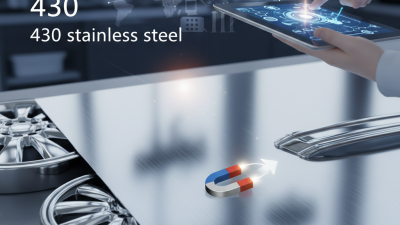
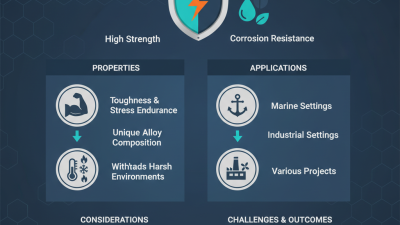
430 stainless steel is a ferritic stainless steel known for its good corrosion resistance and high chromium content. It contains about 16% to 18% chromium, which enhances its durability. This type of stainless steel is often chosen for its balance between cost and performance. Its magnetic properties make it unique among stainless steels. Due to its relatively low nickel content, it tends to be more affordable than other stainless steels.
The properties of 430 stainless steel make it ideal for various applications. It is commonly used in kitchen equipment, automotive parts, and architectural structures. Its ability to resist oxidation makes it suitable for outdoor use. Cookware and restaurant fixtures benefit from its easy cleaning properties. This steel can also be found in grocery store shelves and catering equipment. However, its brittleness at very high temperatures is a point of concern. The material can suffer from stress corrosion cracking under certain conditions, which is something manufacturers need to consider.
While 430 stainless steel has numerous applications, it is not without limitations. Its lower formability compared to austenitic stainless steels can be problematic during fabrication. Welding is another area where 430 may fall short, as it is not as easily welded as other types. Understanding these limitations ensures that engineers choose the right material for each specific need. This reflection on its properties helps inform better design choices and usage.
Chemical Composition of 430 Stainless Steel: Elements and Their Functions
430 stainless steel is a versatile alloy widely used in various applications. Its chemical composition primarily includes 16-18% chromium and less than 0.12% carbon, making it a ferritic stainless steel. The chromium content provides good corrosion resistance, while the low carbon content enhances its strength and durability.
The presence of chromium helps form a passive layer that protects the steel from rusting. This makes 430 stainless steel suitable for use in environments that require moderate resistance to oxidation. For example, it is often found in automotive trim, kitchen appliances, and various architectural applications. The alloy's combination of toughness and heat resistance also allows for fabrication processes like bending and forming.
When considering specific applications, it is essential to recognize that 430 stainless steel has limitations. It is not recommended for high-temperature environments or severe corrosion situations, such as in chloride-heavy conditions. Regular assessments of material performance can identify any signs of wear, ensuring the longevity of products made from this alloy.
Tips: Regular maintenance can enhance the lifespan of 430 stainless steel products. Assess the environment where the material is used to prevent premature degradation. Always evaluate specific project requirements to ensure proper material selection.
Mechanical Properties of 430 Stainless Steel: Strength, Toughness, and Hardness
430 stainless steel is known for its unique mechanical properties. This alloy exhibits a balance of strength, toughness, and hardness. It maintains a good tensile strength, often exceeding 500 MPa. This strength is complemented by its toughness, which remains effective even at elevated temperatures. However, ductility can sometimes be a concern in thicker sections.
Hardness is another important feature of 430 stainless steel. It typically achieves a hardness level of around 150 HB. This quality makes it suitable for applications requiring wear resistance. In addition to strength, the alloy also demonstrates decent corrosion resistance, though it is not as effective as others in harsh environments. Users should consider this factor when selecting materials for specific projects.
In practical applications, 430 stainless steel finds its place in various industries. It is often used in kitchen appliances, automotive components, and architectural structures. However, the limitations in terms of corrosion resistance may lead to premature failure in highly corrosive conditions. Designers and engineers must weigh these factors carefully when making material choices.
Best Applications of 430 Stainless Steel in Automotive and Kitchenware Industries
430 Stainless Steel is a versatile material known for its excellent corrosion resistance and affordability. In the automotive industry, it finds significant use in exhaust systems and trim components. The ability of 430 stainless steel to withstand high temperatures makes it suitable for these applications. Car manufacturers prefer it for its durability and easy maintenance.
In the kitchenware sector, 430 stainless steel is often utilized for cookware and utensils. Its non-reactive nature is ideal for food preparation. Many household items, such as sinks and storage containers, also use this material. While it is not as high-performing as other stainless grades, it balances cost and functionality. However, its potential drawbacks include lower toughness and susceptibility to oxidation in harsh environments. These factors need careful consideration in design and application.
Comparison of 430 Stainless Steel with Other Stainless Steel Grades: Pros and Cons
430 stainless steel is a popular ferritic grade known for its good corrosion resistance and formability. It is less expensive compared to austenitic grades like 304 and 316. The key advantage of 430 is its resistance to moderate corrosion, especially in environments like indoor kitchens. However, it lacks the same elevated temperature strength as other grades.
In comparison to 304 stainless steel, 430 has lower nickel content, which results in reduced toughness and ductility. According to the International Stainless Steel Forum, 430 is often used for decorative applications, where strength is not a critical factor. Its magnetic properties make it suitable for kitchen appliances and automotive trim components. But in high-stress environments, 430 may not perform well.
When assessing 316 stainless steel, its higher resistance to pitting and crevice corrosion is evident. This makes 316 the preferred choice for marine applications. Yet, it comes with a higher cost and weight. The trade-offs between these grades highlight the importance of application-specific criteria. Ultimately, selecting the right stainless steel requires careful consideration of environmental conditions and mechanical demands.
Comparison of 430 Stainless Steel with Other Stainless Steel Grades
This chart compares the corrosion resistance of 430 stainless steel with other common stainless steel grades. The percentage indicates how well each grade withstands corrosion, with a higher number indicating better resistance.