What is 904L stainless steel and why is it popular for buyers?
904L stainless steel is a highly sought-after alloy known for its exceptional properties. Often referred to as a premium stainless steel, it contains a high percentage of nickel and chromium. This unique composition makes it highly resistant to corrosion. Many industries rely on this alloy for projects where durability is key.
One reason for the popularity of 904L stainless steel is its ability to withstand harsh environments. It performs well in both acidic and alkaline settings. This versatility appeals to manufacturers and engineers alike. They appreciate the long lifespan it offers. However, it’s important to note that not all applications require this high-grade material. Some buyers may end up over-specifying for their needs.
Additionally, 904L stainless steel can be more costly than standard options. This can lead to budget concerns. Decision-makers must weigh the benefits against the price. While it’s an excellent choice for specific uses, understanding its value is crucial. Careful consideration can help avoid unnecessary expenses while still achieving project goals.

What is 904L Stainless Steel?
904L stainless steel is a highly durable alloy known for its exceptional corrosion resistance. It primarily consists of nickel, chromium, and molybdenum. This combination creates a strong structure that withstands harsh environments. It is particularly effective in acidic and chloride environments, making it ideal for various industries.
The popularity of 904L stems from its versatility. Many buyers seek materials that can perform exceptionally well in tough settings. This alloy finds applications in chemical processing, marine environments, and even in the construction of high-end jewelry. Its aesthetic appeal complements its strength, creating a blend of beauty and functionality. However, with its advantages comes a higher cost, which some buyers may overlook.
While 904L offers great benefits, it is important to understand that not all projects require this grade of stainless steel. Some applications may perform adequately with more common stainless steel grades. Reflecting on this choice is essential. Selecting the right material should balance performance and cost effects. It's wise to consult with professionals to determine the best fit for your project.
Composition and Characteristics of 904L Stainless Steel
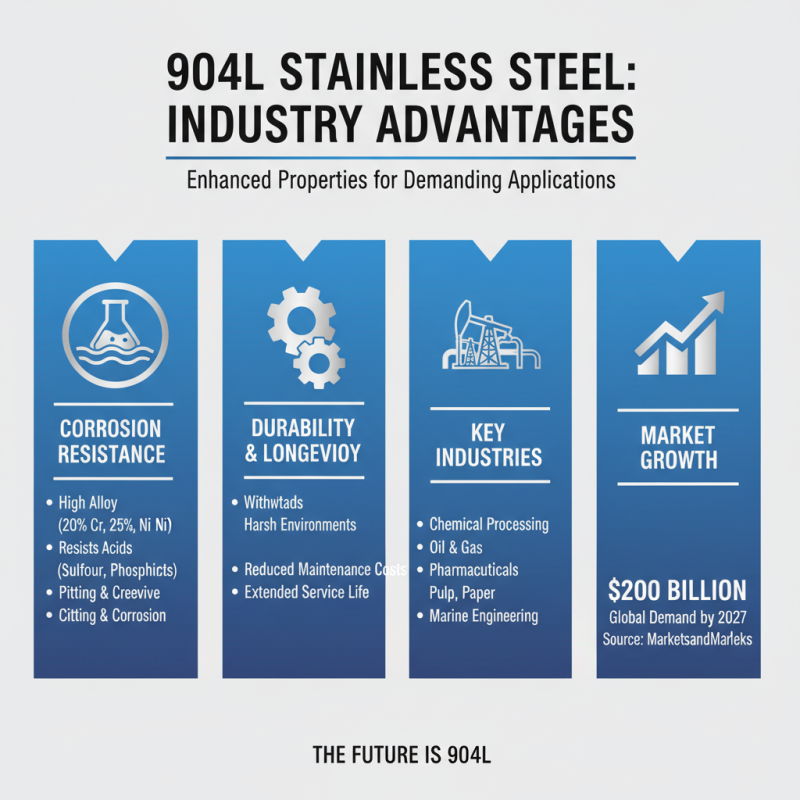
904L stainless steel is a highly alloyed grade known for its impressive corrosion resistance. It contains around 20% chromium and 25% nickel. This unique composition gives it remarkable durability in harsh environments. Its added molybdenum content enhances its resistance to pitting and crevice corrosion. These characteristics make it suitable for chemical processing and oil refinery applications.
The popularity of 904L stainless steel among buyers stems from its reliability. Many industries rely on its strength and resistance to corrosive agents. The material can withstand a wide range of temperatures without losing structural integrity. However, it is essential to consider its cost. 904L is often more expensive than other stainless steel grades. This higher price may deter some buyers.
Despite its advantages, the manufacturing process can be challenging. Fabrication requires specialized techniques due to its toughness. This complexity may lead to quality inconsistencies. Overall, while 904L offers significant benefits, potential users should assess both its strengths and limitations.
What is 904L Stainless Steel and Why is it Popular for Buyers?
| Property |
Description |
| Alloy Composition |
20% Nickel, 25% Chromium, 4.5% Molybdenum, with traces of Copper and Nitrogen |
| Corrosion Resistance |
Excellent resistance to pitting and crevice corrosion in both acidic and chloride environments |
| Temperature Resistance |
Maintains strength and corrosion resistance at high temperatures |
| Applications |
Oil & gas, chemical processing, marine applications, and medical devices |
| Mechanical Properties |
High tensile strength and ductility, good welding and forming characteristics |
| Popularity Reasons |
Durability, versatility, and superior metallic properties make it a preferred choice |
Benefits of Using 904L Stainless Steel in Various Industries
904L stainless steel is increasingly favored in various industries due to its enhanced properties. This high alloy steel contains 20% chromium and 25% nickel, resulting in excellent corrosion resistance, especially in acidic environments. According to a recent report by MarketsandMarkets, the demand for high-performance stainless steels like 904L is growing, projected to reach $200 billion by 2027.
In the oil and gas sector, 904L is critical for components exposed to harsh conditions. It can withstand chloride-induced stress corrosion cracking, which is a common issue in this industry. Data from the American Society of Mechanical Engineers shows that using 904L can reduce maintenance costs by up to 30%. Such reliability is a key factor when selecting materials for pipelines and storage tanks.
The pharmaceutical and food processing industries also value 904L for its hygienic properties. Its smooth surface minimizes bacterial growth. Reports indicate that using stainless steel in these sectors can enhance product purity and safety. While 904L offers many benefits, it is essential to weigh costs, as it is pricier than standard stainless steel. Buyers must assess if the performance justifies the investment.
Common Applications of 904L Stainless Steel Products
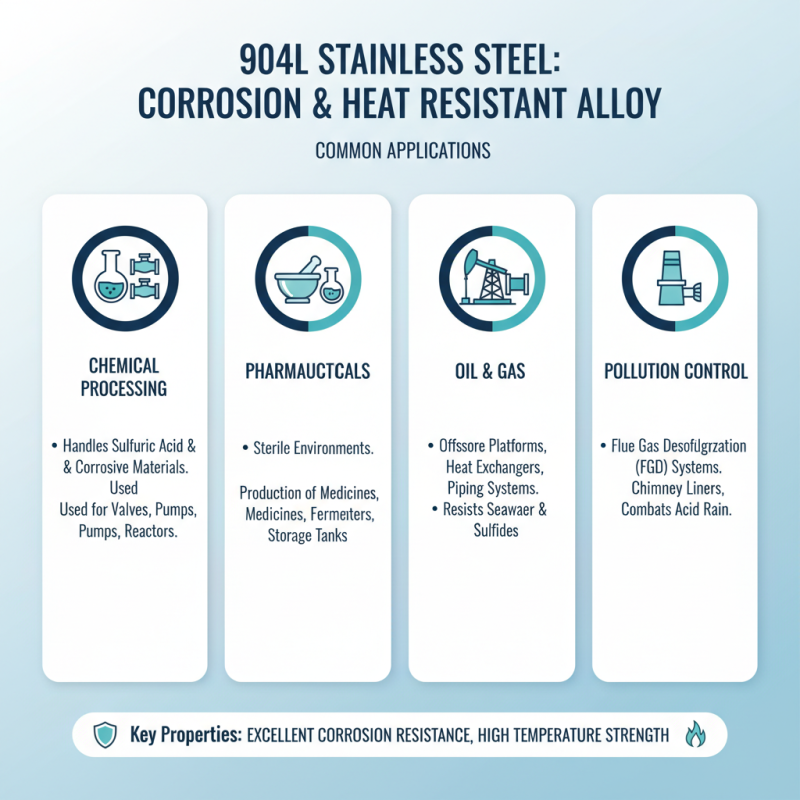
904L stainless steel is known for its impressive resistance to corrosion and heat. This makes it a preferred choice in various sectors. One of the most common applications is in the chemical processing industry. Here, 904L is used for pipes and valves that handle acids and other corrosive materials. These components require high durability, which 904L provides effectively.
Another significant application of 904L stainless steel is in the marine industry. Due to its resistance to saltwater corrosion, it is often used in shipbuilding and offshore structures. Components like pumps and heat exchangers benefit greatly from this alloy. However, its high nickel content can lead to fluctuations in price, making budgeting challenging for some projects.
In the pharmaceutical industry, 904L finds use in manufacturing equipment. The need for cleanliness and safety is paramount here. 904L's non-reactive properties help ensure that products remain uncontaminated. Despite these advantages, the high cost and specific fabrication techniques may pose challenges for smaller manufacturers. Balancing these factors is essential for optimal use of this material.
Factors Contributing to the Popularity of 904L Stainless Steel
904L stainless steel has gained significant popularity due to its unique properties and versatility. One of the key factors is its excellent corrosion resistance. This alloy is highly resistant to pitting and crevice corrosion, making it ideal for harsh environments. Many industries, including chemical processing and marine applications, prioritize using materials that withstand such conditions.
Another prominent factor is its high nickel and chromium content. This composition not only enhances corrosion resistance but also improves the steel's durability and strength. Users find 904L to be reliable in various applications, such as heat exchangers and oil rigs. However, its availability can be a concern. Sourcing 904L may not always be straightforward, as it’s not as commonly found as other stainless steels.
The aesthetic appeal also contributes to its popularity. 904L has a bright, shiny finish that is visually pleasing. Many designers and manufacturers appreciate how this steel enhances the look of their products. While it may not always be the first choice for budget-sensitive projects, the long-term benefits often justify the investment. Buyers need to weigh immediate costs against the value of durability and resistance to wear over time.