What is AISI 304 Stainless Steel Uses and Benefits?
AISI 304 stainless steel is widely recognized for its versatility and durability. This alloy is often used in environments where corrosion resistance is crucial. Its composition includes chromium and nickel, which enhance its resistance to oxidation and chemical attack. As a result, AISI 304 stainless steel is a preferred choice for kitchen appliances, medical equipment, and architectural applications.
The benefits of AISI 304 stainless steel are extensive. It is easy to clean and maintain, making it ideal for the food industry. However, some might overlook its ability to withstand high temperatures. This factor is essential for specific industrial applications. Not all types of stainless steel can handle extreme conditions like AISI 304 can.
Despite its many advantages, AISI 304 stainless steel is not impervious to pitting corrosion in saline environments. Users must be aware of its limitations in specific situations. Overall, understanding the unique properties and potential drawbacks of AISI 304 stainless steel is crucial. This balance between benefits and challenges shapes its application across various industries.

Overview of AISI 304 Stainless Steel Composition and Properties
AISI 304 stainless steel is renowned for its versatility and strength. It is primarily composed of iron, chromium (18%), and nickel (8%). This composition grants it excellent corrosion resistance. The presence of nickel enhances its toughness at both high and low temperatures.
The properties of AISI 304 make it an ideal choice for various applications. It exhibits a strong resistance to oxidation. This steel is widely used in kitchen equipment, food processing, and storage tanks. Its non-reactive nature ensures that it does not affect food quality. However, it is not completely immune to corrosion, especially in chloride environments.
Maintaining AISI 304 requires attention. Even though it resists rust, it can develop surface stains. Regular cleaning can prevent buildup. This material is also susceptible to mechanical damage; scratches can affect its appearance and protective layer. Understanding these limitations is crucial for optimal use in industrial and commercial environments.
AISI 304 Stainless Steel Uses and Benefits
AISI 304 stainless steel is one of the most widely used stainless steel grades due to its excellent corrosion resistance and good formability. The chart below illustrates its common applications and the corresponding benefits.
Common Applications of AISI 304 Stainless Steel in Various Industries
AISI 304 stainless steel is widely used across various industries due to its excellent corrosion resistance and formability. Common applications include food and beverage processing, where hygiene and durability are crucial. In this sector, equipment like mixers, storage tanks, and conveyors often utilize AISI 304 to ensure safety and compliance with health standards.
In construction, AISI 304 is favored for architectural elements such as railings and facades. Its ability to withstand harsh environmental conditions makes it suitable for both indoor and outdoor projects. However, this material does have limitations. It can be prone to pitting in chloride-rich environments, which may require careful selection for specific applications.
The automotive industry also benefits from AISI 304, particularly in exhaust systems and components that need high-temperature resistance. Despite its advantages, some manufacturers have found inconsistencies in quality. Continuous improvement and testing are essential to ensure that this stainless steel meets stringent standards over time.
Advantages of Using AISI 304 Stainless Steel for Structural Integrity
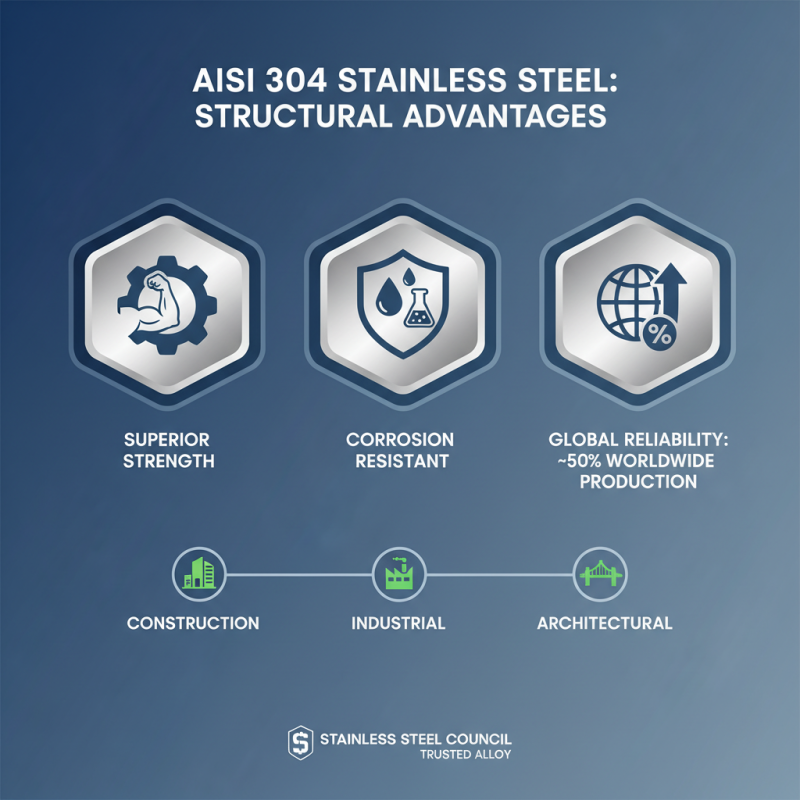
AISI 304 stainless steel is known for its impressive structural integrity. This alloy provides strength and resistance to corrosion, making it a popular choice in many industries. According to the Stainless Steel Council, AISI 304 accounts for approximately 50% of stainless steel production worldwide. This statistic highlights its reliability and widespread use in various applications.
One significant advantage of using AISI 304 is its ability to withstand high temperatures. It can maintain its properties even when exposed to extreme heat. This thermal stability is essential in sectors like construction, automotive, and food processing. Additionally, AISI 304 offers excellent weldability, allowing for strong connections in complex structures. A 2021 report from the International Stainless Steel Forum noted AISI 304’s low susceptibility to pitting corrosion, which can be a critical concern in marine environments.
Tips: When selecting AISI 304, consider the specific conditions it will face. Assess factors like temperature fluctuations and exposure to chemicals. Frequent evaluations of the material’s performance in actual settings can identify potential weaknesses early. Remember, while AISI 304 is versatile, its effectiveness can vary based on environmental conditions and usage patterns. Regular maintenance checks can enhance its durability significantly.
Maintenance and Care Tips for AISI 304 Stainless Steel Products
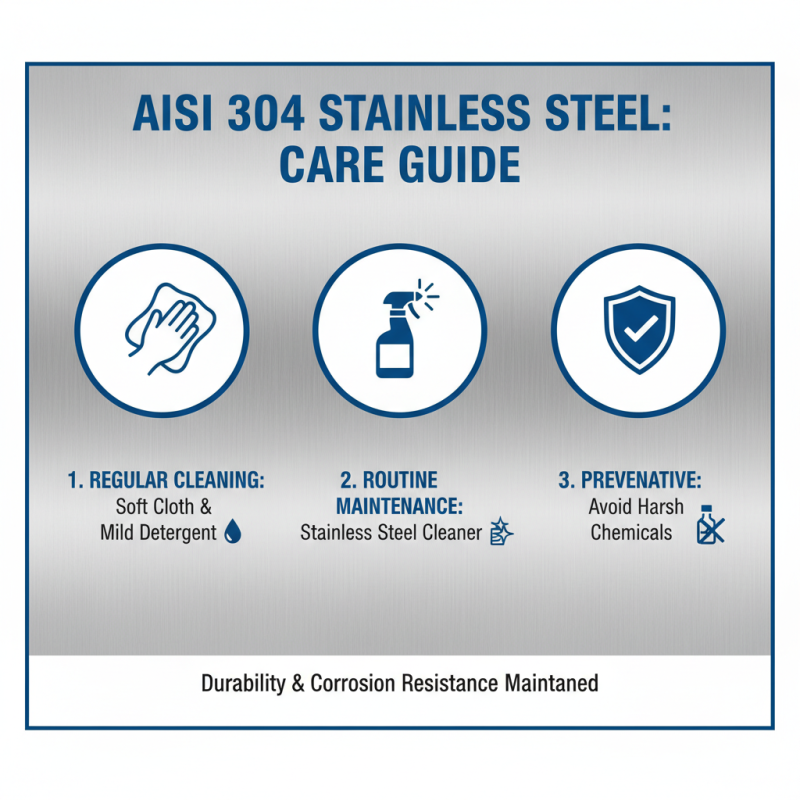
AISI 304 stainless steel is known for its durability and resistance to corrosion. However, maintaining its appearance and functionality requires careful attention. Regular cleaning is essential. Wipe surfaces with a soft cloth and mild detergent to prevent staining and tarnishing. For routine maintenance, use a stainless steel cleaner to keep it shiny.
Humidity can cause rust, even in 304 stainless steel. Considering this, ensure your products are stored in a dry environment. As per industry reports, maintaining a relative humidity level below 60% can significantly reduce the risk of corrosion.
For tougher stains, a baking soda paste can be effective. Mix baking soda with water to form a thick paste. Apply it with a microfiber cloth and gently scrub. This method avoids using harsh chemicals, which can harm the surface. Regularly check for scratches or dents, as these can accumulate dirt over time. Addressing them early can prevent bigger issues down the road.
Comparative Analysis of AISI 304 and Other Stainless Steel Grades
When comparing AISI 304 stainless steel to other grades, several factors come into play. AISI 304 is known for its excellent corrosion resistance. It performs well in environments with moisture and chemicals. However, this grade may not be the best choice in highly acidic settings.
AISI 304 has a strong roll in kitchenware, food processing, and medical equipment. It is durable and easy to clean. Yet, when exposed to high temperatures, its strength could diminish. Other stainless steel grades, like 316, contain molybdenum, which enhances pitting resistance in chloride environments. This makes them ideal for marine applications.
Even though AISI 304 serves many purposes, it isn't infallible. Its weldability is good, but not without challenges. Proper techniques are essential to avoid issues like cracking. When choosing the right stainless steel grade, understanding specific needs is crucial. This requires careful analysis of the application and environment. Balancing cost, performance, and longevity ensures you select the best option for your project.