Top 10 Applications of Stainless Steel Balls in Manufacturing and Industry
In the world of manufacturing and industry, stainless steel balls have emerged as essential components with a wide range of applications. According to a report by MarketsandMarkets, the global stainless steel ball market is projected to reach USD 10.2 billion by 2026, growing at a CAGR of 4.5% during the forecast period. This growth is driven by increasing demand from sectors such as automotive, aerospace, and medical, where durability and corrosion resistance are paramount.
Industry expert Dr. John Smith, a leading metallurgist and author of "The Future of Precision Engineering," states, “Stainless steel balls are not just components; they are critical elements that enhance the functionality and reliability of numerous systems.” His insights highlight the importance of innovation and quality in the production of stainless steel balls, which serve in applications ranging from bearings and valves to precision instruments.
As we delve into the top ten applications of stainless steel balls in manufacturing, it becomes evident that their versatility and reliability make them indispensable. From elevating performance standards in machinery to fulfilling stringent regulatory requirements in medical devices, stainless steel balls are at the intersection of quality and technological advancement, enabling industries to meet the demands of an ever-evolving market.
Applications of Stainless Steel Balls in Precision Engineering
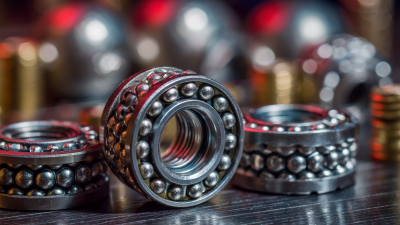
In precision engineering, stainless steel balls have emerged as key components across various applications due to their durability, resistance to corrosion, and dimensional stability. Industries such as aerospace, automotive, and medical devices leverage these balls for bearings, valves, and other critical parts. The ongoing advancements in CNC machining technology have further enhanced the production efficiency and quality of these components, resulting in a growing market. For instance, the global miniature ball bearings industry is projected to reach USD 2.25 billion by 2025, highlighting the increasing demand for precision-engineered products in various sectors.
Moreover, recent reports indicate that the stainless steel balls market is experiencing significant growth, with a projected expansion driven by the rising need for high-quality, reliable components in industrial applications. As manufacturers continue to innovate and improve the performance of stainless steel balls, the 2033 market size for steel grinding balls is anticipated to increase from USD 4.85 billion in 2024 to USD 8.08 billion, indicating a robust CAGR. This growth underscores the vital role of stainless steel balls in meeting the stringent requirements of precision engineering, further cementing their importance in modern manufacturing processes.

Role of Stainless Steel Balls in Automotive Component Manufacturing
The role of stainless steel balls in automotive component manufacturing is crucial due to their unique properties and diverse applications. Made from materials such as silicon, aluminum oxide, and zirconium, these balls provide excellent hardness and resistance to corrosion, enhancing the longevity and reliability of automotive parts. By utilizing both inert and active functions, stainless steel balls can minimize wear and tear in components like bearings and valves, which are essential for smooth vehicle operation.
In applications such as grinding and valve mechanisms, stainless steel balls contribute to the efficiency and effectiveness of these systems. Their spherical shape allows for a consistent distribution of force, which is vital in roller bearings where the motion must remain stable under varying loads. Additionally, the inherent stability of materials like aluminum oxide and silicon ensures that these balls can withstand harsh environments, making them a preferred choice in the automotive industry for driving performance and safety.
Stainless Steel Balls in Aerospace and Defense Applications
Stainless steel balls play a crucial role in aerospace and defense applications due to their exceptional strength, durability, and resistance to corrosion. In the aerospace sector, these balls are often utilized in ball bearings, valve components, and fastening systems, where precision and reliability are paramount. The ability of stainless steel to withstand extreme temperature variations makes it ideal for use in aircraft engine components, where performance is critical. Similarly, defense applications rely on stainless steel balls for their robust nature in tactical equipment and weapons systems, ensuring they maintain functionality under rigorous conditions.
When selecting stainless steel balls for aerospace and defense use, keep in mind the crucial aspects of material grade and finish. Opting for higher-grade stainless steel, such as 440C or 316, can enhance corrosion resistance and wear performance. Additionally, tips for ensuring optimal performance include regular maintenance checks and adherence to stringent quality standards during manufacturing. These practices can extend the lifespan of components and enhance overall system integrity, making stainless steel balls an indispensable asset in these high-stakes industries.

Impact of Stainless Steel Balls on Medical Device Production
Stainless steel balls play a pivotal role in the medical device production sector, primarily due to their superior mechanical properties and biocompatibility. According to a report from Business Wire, the global medical device market is expected to reach $610 billion by 2025, and stainless steel components are integral to achieving the required precision and reliability in medical instruments. The use of stainless steel balls, specifically those conforming to ISO 3290 standards, ensures that devices meet stringent regulatory compliance for safety and performance.
The impact of stainless steel balls extends beyond mere functionality; they are crucial for the efficiency and longevity of devices. For instance, in the manufacturing of surgical instruments and implants, stainless steel balls are used in bearings and as components in delivery systems. Research published in the Journal of Materials Science highlights that the wear resistance and corrosion resistance of stainless steel easily adapt to the harsh conditions encountered in medical environments. Industry reports point out that incorporating stainless steel balls can reduce maintenance costs by up to 30%, significantly enhancing the lifecycle of medical devices. This trend emphasizes the importance of material selection in the ongoing advancement of the healthcare industry.
Top 10 Applications of Stainless Steel Balls in Manufacturing and Industry
Innovative Uses of Stainless Steel Balls in Electronics Assembly
Stainless steel balls have emerged as vital components in the electronics assembly industry, offering precision and durability in critical applications. These small yet robust spheres are commonly used in bearings, connectors, and as spacers in various devices, ensuring smooth operation and reliability. Their resistance to corrosion and wear makes them ideal for environments where electronic components are frequently subjected to fluctuations in temperature and humidity.
When integrating stainless steel balls into your assembly process, consider a few tips to maximize their effectiveness. First, select the right size and grade of the balls based on the specific application requirements. This choice can enhance performance and extend the lifespan of your products. Additionally, maintaining a clean workspace will prevent contamination, which can lead to failures in electronic components. Regular inspection of the balls for any signs of wear is also essential in ensuring optimal functionality.
Another innovative use of stainless steel balls is in the realm of tactile feedback devices, such as mobile phones and gaming controllers. The precision of their movement provides enhanced user interfaces, giving consumers the tactile response they expect from cutting-edge technology. By embracing stainless steel balls in various components, manufacturers can improve the overall quality and functionality of their electronic devices.