MON - FRI 8AM - 5PM

Top 10 Benefits of Stainless Steel Bearings for Your Projects?

In the realm of industrial applications, stainless steel bearings stand out for their exceptional performance and durability. According to a report by MarketsandMarkets, the global bearing market is expected to reach over $85 billion by 2025. This growth is driven by the increasing demand for stainless steel bearings in various sectors, including automotive and aerospace.

Stainless steel bearings offer numerous advantages. They resist corrosion, making them ideal for harsh environments. The low friction properties enhance the efficiency of machinery, resulting in reduced energy consumption. Additionally, their longevity reduces maintenance needs, which can lead to significant cost savings over time. A study by SKF highlights that using high-quality bearings can increase equipment lifespan by as much as 30%.

However, despite their benefits, some projects still overlook the importance of stainless steel bearings. This often leads to unexpected failures and higher operational costs. Engineers must consider the specific needs of their applications to make informed decisions. Investing in stainless steel bearings could be a game changer for many projects, yet awareness remains low in certain sectors.
Top 10 Benefits of Stainless Steel Bearings for Your Projects?

Durability: How Stainless Steel Bearings Outlast Other Materials

Top 10 Benefits of Stainless Steel Bearings for Your Projects?

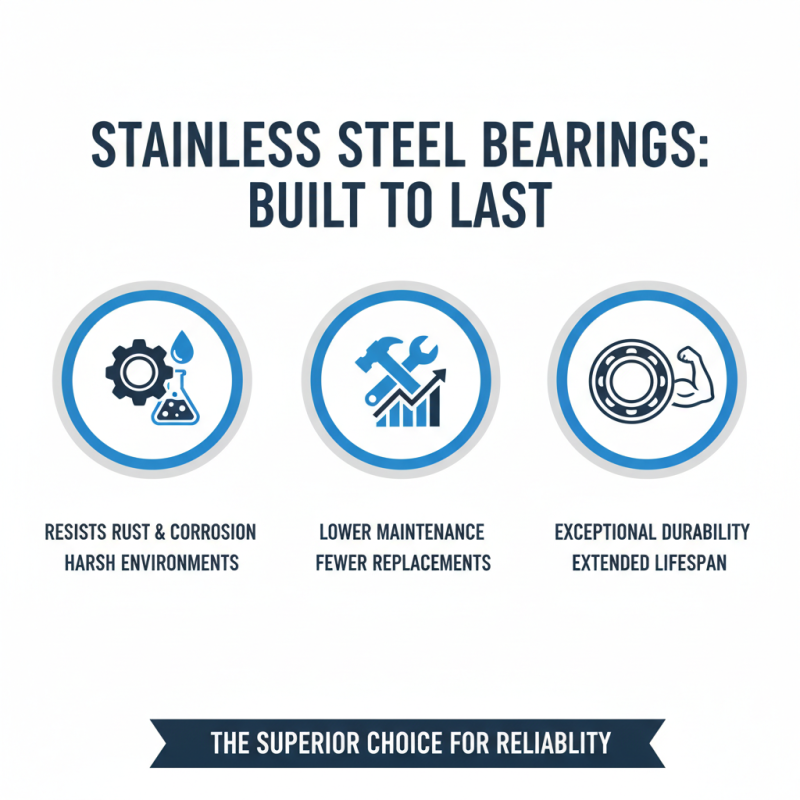
Stainless steel bearings offer exceptional durability, making them ideal for various projects. They resist rust and corrosion, which is crucial in harsh environments. When exposed to moisture or chemicals, they outlast bearings made from other materials. This longevity translates to lower maintenance costs and fewer replacements over time.

One aspect to consider is their weight compared to other materials. Stainless steel bearings are heavier, which can be a drawback in some applications. Additionally, while they are robust, they may not perform well under extreme temperatures. The balance between strength and versatility needs attention when selecting materials.

Despite these considerations, the reliability of stainless steel bearings is hard to overlook. They can withstand heavy loads and high speeds. Their performance remains consistent over time, reducing the risk of failure in critical situations. In many cases, investing in stainless steel bearings proves beneficial for long-term projects.
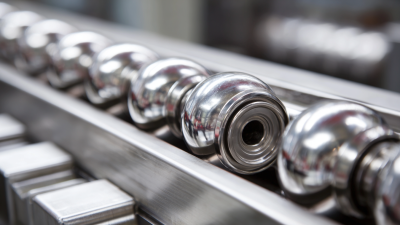
Corrosion Resistance: Enhancing Lifespan in Harsh Environments

Top 10 Benefits of Stainless Steel Bearings for Your Projects?

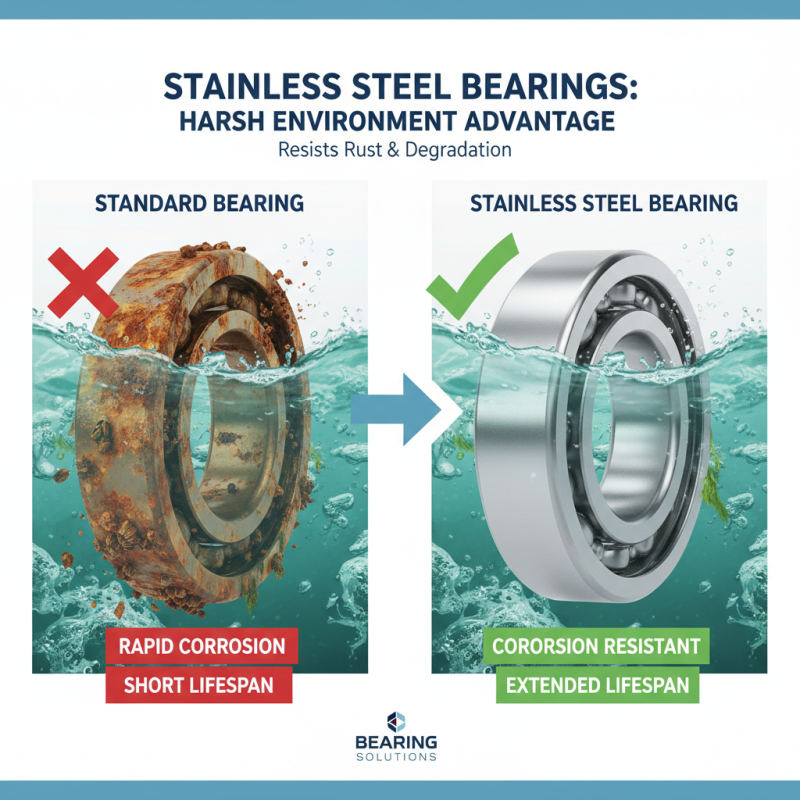
Corrosion resistance is a key benefit of stainless steel bearings, particularly in harsh environments. Wet or humid conditions can quickly degrade lesser materials. Stainless steel, however, resists rust and corrosion effectively. This leads to a longer lifespan for the bearings, reducing maintenance and replacement costs. Imagine a bearing exposed to seawater. A standard bearing would corrode rapidly, failing within months. Stainless steel can withstand such challenges much longer.

Choosing stainless steel bearings can enhance your project's durability. For example, in industries like marine or chemical processing, the environment poses significant risks. Here, the longevity of bearings is critical. Yet, even stainless steel isn’t completely immune to corrosion. Under certain conditions, pitting can occur. It's essential to assess your specific needs carefully. Adjusting the alloy composition can improve performance further, creating more resilient bearings.

Maintaining the balance between cost and quality is also a challenge. Some may opt for cheaper alternatives, ignoring potential long-term implications. Ultimately, the goal is to make informed decisions about materials. Evaluating real-world conditions will determine the best path forward. Investing in stainless steel bearings may require upfront costs, but the payout often comes in reduced failures and increased reliability.

Low Friction: Improving Efficiency in Mechanical Systems

Stainless steel bearings offer significant advantages in mechanical systems. One key benefit is low friction. This property enhances efficiency in various applications. Reduced friction means less energy is wasted. Machines run smoother and require less maintenance. This can lead to longer lifespans and lower operational costs.

Consider this: Proper lubrication is essential. Even the best bearings can suffer without it. Frequent checks can prevent costly failures. This simple routine can improve performance. A little diligence goes a long way in extending the life of your bearings.

Another aspect to consider is the environment. Stainless steel is resistant to corrosion. This feature is particularly useful in humid or wet conditions. However, be mindful of the material's heat sensitivity. High temperatures can alter its properties. Always assess the operating conditions before installation. Taking these factors into account can enhance project outcomes.

Top 10 Benefits of Stainless Steel Bearings for Your Projects

Benefit Description Impact on Efficiency Applications
Low Friction Reduces energy loss and heat generation. Enhances overall system efficiency. Motors, pumps, and conveyor systems.
Corrosion Resistance Durable against various environmental conditions. Increases lifespan of components. Marine equipment and food processing.
High Load Capacity Can handle heavy loads without deformation. Improves reliability in demanding applications. Industrial machinery and automotive.
Low Maintenance Requires minimal upkeep, reducing downtime. Increases operational efficiency. Manufacturing and logistics.
Versatility Suitable for a wide range of applications. Facilitates design flexibility. Robotics, aerospace, and automotive.
Temperature Tolerance Maintains performance in extreme temperatures. Ensures reliability in harsh environments. High-temperature applications.
Noise Reduction Operates more quietly than other bearings. Improves user comfort and compliance. Fan and HVAC systems.
Sustainability Made from recyclable materials. Supports eco-friendly initiatives. Green technologies and renewable energy.
Cost-Effectiveness Reducing long-term operational costs. Maximizes return on investment. All industries seeking efficiency.
Chemical Resistance Withstands exposure to various chemicals. Ensures safety and reliability. Chemical processing and pharmaceuticals.

Temperature Tolerance: Performance in Extreme Conditions

Stainless steel bearings excel in extreme temperatures. They maintain their integrity when the mercury dips or soars. Many projects require reliability under harsh conditions. These bearings withstand both heat and cold without significant wear. A thermal expansion coefficient close to that of other metals reinforces their usability.

Some users may overlook the importance of temperature tolerance. They might underestimate extreme conditions' effects on performance. Poor choices can lead to premature failure. It’s essential to consider environments, especially when components face fluctuations. Stainless steel rollers often deliver exceptional resistance to corrosion, a critical factor in maintaining performance at high temperatures.

When temperatures rise, some bearings struggle, causing system failures. Regular maintenance helps identify these vulnerabilities. Testing bearings in their intended environment is crucial. Observations during operation can reveal potential weaknesses. It’s a reminder that while stainless steel offers many benefits, thoughtful selection and testing cannot be ignored.

Versatility: Applications of Stainless Steel Bearings Across Industries

Stainless steel bearings are increasingly found in various industries. Their versatility is a major reason for this trend. From manufacturing to aerospace, these bearings meet diverse demands. According to a recent report by the Manufacturing Association, the use of stainless steel bearings has increased by 25% in industrial applications over the past three years.

In the automotive sector, stainless steel bearings resist corrosion, making them ideal for engine applications. They also perform well in extreme temperatures. For example, data indicates that stainless steel bearings can withstand temperatures from -40°C to 120°C without losing functionality. This reliability is crucial for vehicle safety and performance.

Tip: Regular maintenance can maximize the lifespan of stainless steel bearings. While their durability is impressive, they still require routine checks. In the food processing industry, they hold up against harsh cleaning chemicals. Yet, improper installation can lead to issues, reducing their operational efficiency. Evaluate installation practices to prevent costly repairs.

In agriculture, these bearings protect equipment in harsh outdoor conditions. Farmers benefit from their ability to resist moisture and dirt. Nonetheless, this protection is not flawless. Users should remain aware of wear patterns to ensure optimal performance. Failure to do so might lead to equipment downtime.

Top 10 Benefits of Stainless Steel Bearings for Your Projects

Stainless steel bearings are widely used across various industries due to their numerous benefits. This chart highlights the top ten advantages rated on a scale of 1 to 10, reflecting their importance in applications ranging from aerospace to medical devices.

Request a Quote

To learn more about any of the products and services provided by Abbott Ball Company, Inc., simply complete the form below.