
MON - FRI 8AM - 5PM

7 Best Firestopping Sealant Products for Global Buyers?

Global construction is expanding, yet fire safety remains uneven across markets. NFPA’s Fire Loss in the United States During 2023 reported approximately 1.5 million fires, 3,670 civilian deaths, and $22.2 billion in direct property damage. These figures do not prove that sealants prevent every loss. They show why tested compartmentation deserves careful attention.

Firestopping Sealant helps close joints, gaps, and service penetrations in fire-resistance-rated walls and floors. In practice, a small pipe bundle can leave an irregular opening around a cable tray. That detail matters. Smoke and hot gases often travel through concealed paths before flames become visible. The right sealant must work as part of a tested assembly, not as an isolated cartridge.

This guide reviews seven products for global buyers, using manufacturer documentation, independent testing, installation experience, and available market evidence. Grand View Research and MarketsandMarkets both identify continuing growth in fire protection materials, driven by stricter building requirements and expanding infrastructure investment. Their market estimates differ. That is worth remembering.

A product carrying UL 1479 or ASTM E814 evidence may not automatically satisfy EN 1366-3, AS 1530.4, or local approval requirements. Ratings depend on substrates, penetration types, backing materials, joint dimensions, and installation methods. Buy the tested system, not only the label.

We examine fire rating, movement capability, adhesion, curing behavior, documentation, and regional availability. Cost also matters. So does technical support. A lower-priced sealant can become expensive when a project requires rework, failed inspection, or unavailable certification records. Reliable selection requires evidence, practical fit, and a willingness to question attractive claims.
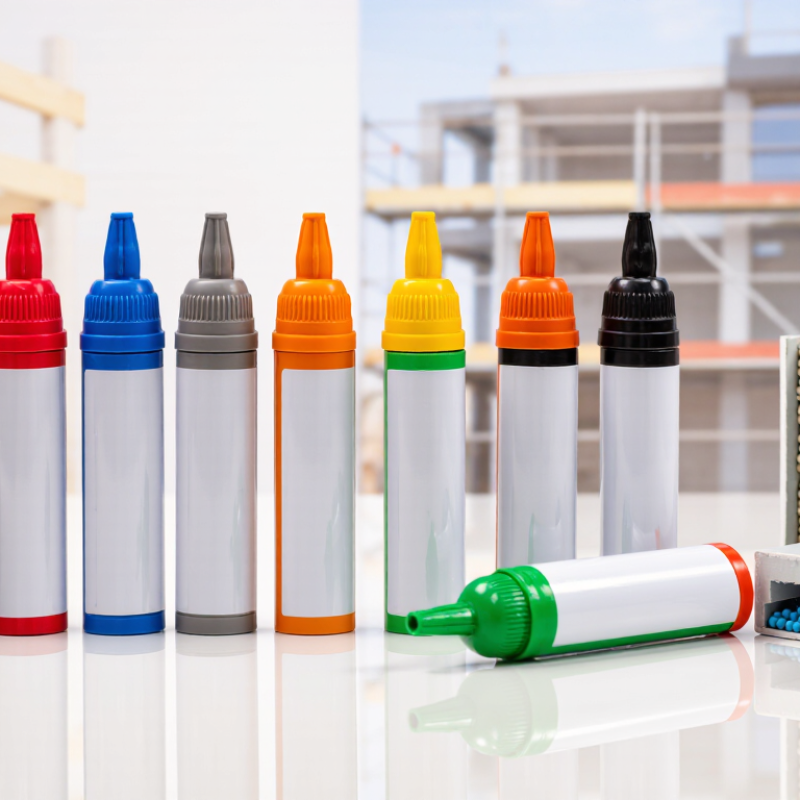
7 Best Firestopping Sealant Products for Global Buyers?

Firestopping Sealant: Definition, Applications, and Safety Principles

Firestopping sealant is a specialized material that helps restore the fire resistance of walls and floors after services pass through them. It seals gaps around cables, pipes, ducts, and construction joints. During a fire, the sealant can limit flames, smoke, and hot gases from moving between compartments.

The product must match the tested wall or floor assembly. Check the required fire-resistance period, substrate, penetration type, and movement allowance before purchasing. Acrylic sealants suit many interior joints, while silicone-based products often handle greater movement or moisture exposure. Intumescent sealants expand when heated, helping close spaces around combustible pipes or cable insulation.

A product alone cannot create a compliant barrier. Installation quality matters.

Surfaces should be clean, dry, and free from loose dust. The installer must control joint depth, backing material, and sealant thickness. I have seen a neat bead fail because the annular gap was too wide. Small details matter.

Use documented test evidence and follow the applicable local standards. Product data sheets, safety data sheets, and installation instructions should be available for inspection. Workers need suitable gloves, eye protection, and ventilation, especially in enclosed areas. Inspectors should photograph concealed work before closing walls or ceilings. Even experienced teams should recheck penetrations after cable changes, because later modifications can quietly damage the firestop system.

Key Performance Standards for Comparing Firestopping Sealants

Comparing the seven main firestopping sealant types requires more than reading a product label. Acrylic, silicone, polyurethane, graphite, intumescent, mortar, and putty each suit different openings. The correct choice depends on fire rating, joint movement, substrate, and installation conditions. A sealant tested for cable penetrations may not protect a moving wall joint. That mistake is common.

Global buyers should check independent fire-resistance test reports, not only marketing claims. ASTM E814 and UL 1479 commonly evaluate penetration systems, while ASTM E1966 and UL 2079 address fire-resistant joint systems. EN 1366-3 may apply in other markets. Smoke leakage, air movement, water exposure, and acoustic performance also deserve attention. Test results must match the actual wall, floor, pipe, cable, and backing material. Small changes can invalidate the system. Unfortunately, technical documents are sometimes incomplete.

Tips: Request the full tested system details. Confirm maximum joint width and movement. Check storage temperature and shelf life. Review compatibility with plastic pipes, coatings, and insulation. Keep installation photographs and batch records. A sample may look perfect in a showroom, yet fail after poor surface preparation. I have found that purchasing teams often compare price first. That approach feels efficient, but it can create costly rework. Local code approval, installer training, and technical support should influence the final decision. When evidence conflicts, ask for clarification from the testing laboratory or a qualified fire-protection consultant.

7 Best Firestopping Sealant Products for Global Buyers? - Key Performance Standards for Comparing Firestopping Sealants

Product Profile Primary Chemistry Typical Tested Fire Rating* Movement Capability Approx. Service Temperature Common Penetrations or Joints Relevant Performance Standards Main Buying Advantage
1. General-Purpose Acrylic Firestop Sealant Water-based acrylic Up to 4 hours when tested in a listed wall, floor, or joint assembly Typically up to 7.5% joint movement Approximately −20°C to 82°C Metal pipes, cable bundles, electrical conduits, and static construction joints ASTM E814 / UL 1479; EN 1366-3; ASTM E1966 / UL 2079 for qualified joints Cost-effective, paintable, and suitable for many interior applications
2. Intumescent Acrylic Firestop Sealant Intumescent acrylic Up to 4 hours in approved penetration-sealing systems Usually 7.5% to 12.5%, depending on the tested system Approximately −20°C to 82°C Combustible pipes, insulated non-metallic pipes, cable trays, and mixed penetrations ASTM E814 / UL 1479; EN 1366-3; EN 13501-2 classification where applicable Expands when heated and helps protect openings created by combustible services
3. High-Movement Silicone Firestop Sealant Neutral-cure silicone Up to 4 hours in tested joint and penetration assemblies Commonly ±25% or greater, subject to the tested joint design Approximately −40°C to 149°C Perimeter joints, curtain-wall interfaces, floor-to-wall joints, and dynamic movement gaps ASTM E1966 / UL 2079; ASTM E814 / UL 1479; EN 1366-4 for linear joint seals Excellent weathering, UV, moisture, and movement resistance for demanding locations
4. Elastomeric Firestop Sealant Water-based or solvent-free elastomeric polymer Up to 3 or 4 hours in listed assemblies Typically up to 12.5%, depending on formulation and joint geometry Approximately −20°C to 82°C Construction joints, cable penetrations, metal pipes, and service openings ASTM E814 / UL 1479; ASTM E1966 / UL 2079 where joint movement is tested Balances flexibility, adhesion, smoke sealing, and installation convenience
5. Graphite-Based Intumescent Sealant Graphite-filled intumescent compound Up to 3 hours in approved penetration systems Generally low to moderate movement; often up to 7.5% Approximately −20°C to 82°C Combustible plastic pipes, cable penetrations, and irregular service openings ASTM E814 / UL 1479; EN 1366-3; EN 13501-2 where classified Strong expansion response for closing gaps after combustible components soften or burn away
6. Hybrid Polymer Firestop Sealant Moisture-curing hybrid polymer Commonly 2 to 3 hours when supported by a tested assembly Often approximately ±12.5% to ±20% Approximately −30°C to 90°C Interior and exterior linear joints, mixed-substrate interfaces, and renovation work ASTM E1966 / UL 2079 or EN 1366-4 when specifically tested; project certification is essential Good adhesion to concrete, masonry, metal, and selected plastics with low odor
7. Exterior-Rated Silicone Joint Firestop Sealant Fire-rated silicone elastomer Up to 4 hours for tested perimeter, façade, and floor-line joint systems Commonly ±25% to ±50%, depending on the certified assembly Approximately −50°C to 150°C Building façades, curtain walls, exterior wall joints, and high-exposure construction joints ASTM E1966 / UL 2079; EN 1366-4; ASTM C920 for relevant sealant properties Best suited to high UV, rain, thermal cycling, and façade movement conditions

*Fire-resistance ratings, movement capability, temperature limits, and permitted substrates are assembly-specific. Buyers should confirm the current third-party listing, installation instructions, tested joint or penetration configuration, smoke-seal requirements, and local code acceptance before procurement.

Seven Leading Firestopping Sealant Products for Global Buyers

Seven leading firestopping sealant products serve different construction conditions. The right choice depends on movement, substrate, moisture, and tested assembly design. Product one is acrylic sealant for gypsum joints and low-movement penetrations. Product two is silicone sealant for exterior openings exposed to rain and temperature changes. Product three is intumescent sealant, which expands around combustible pipes during fire exposure. Product four is graphite-based sealant for larger plastic-pipe penetrations. Details matter.

Product five is hybrid polymer sealant, combining flexibility with strong adhesion across mixed substrates. Product six is elastomeric sealant for joints requiring repeated movement. Product seven is fire-rated foam sealant for irregular gaps, although installers must verify its approved depth and backing material. MarketsandMarkets reported continued growth in passive fire protection materials, with a forecast compound annual growth rate above 6% during the current decade. NFPA research also shows that fire protection depends on tested assemblies, not isolated materials. Buyers should request classification reports, temperature ratings, movement capability, smoke performance, and installation instructions. Standards such as ASTM E814 and UL 1479 help compare penetration systems. A product may perform well in a laboratory but fail when the field opening is oversized, dusty, or poorly supported. That uncomfortable gap deserves attention. Global buyers should also check regional conformity documents, storage limits, shelf life, and local installer training before specifying large volumes.

How to Select the Right Sealant for Different Building Materials

7 Best Firestopping Sealant Products for Global Buyers?

How to Select the Right Sealant for Different Building Materials

Selecting a firestopping sealant starts with the building material, not the product label. Concrete and masonry usually need rigid or elastomeric systems with strong adhesion. Gypsum board requires a sealant that tolerates slight movement without cracking. Steel penetrations may need heat-resistant silicone or intumescent technology. Wood needs careful compatibility checks because moisture can change its dimensions.

acrylic sealant silicone sealant polyurethane sealant hybrid polymer sealant intumescent sealant firestop putty fire-rated foam

Seven useful categories include acrylic sealant, silicone sealant, polyurethane sealant, hybrid polymer sealant, intumescent sealant, firestop putty, and fire-rated foam. Intumescent materials expand during a fire and protect cable or pipe openings. Putty works well around irregular penetrations. Foam can fill complex gaps, but it must have tested fire performance. It is not automatically safe because it expands.

Check the tested assembly, joint size, movement rating, and substrate combination. A sealant approved for concrete may fail against coated steel or plastic pipes. Review curing time, temperature limits, moisture exposure, and installation depth. Global buyers should request test reports based on accepted local or international standards. Small details matter.

Field inspections often find dusty surfaces, shallow sealant depth, or missing backing material. These errors reduce protection. Product selection is only part of the work. Installation quality matters just as much. I would also recheck the specification before purchase, because “fire-rated” can sound broader than the actual test evidence.

Installation, Inspection, and Maintenance Requirements Worldwide

7 Best Firestopping Sealant Products for Global Buyers

Firestopping sealants protect joints, penetrations, and gaps where fire-rated walls or floors are interrupted. Global buyers should compare seven product types: acrylic, silicone, elastomeric, intumescent, graphite, hybrid, and cementitious sealants. Each type suits different movement, moisture, temperature, and substrate conditions. Confirm tested assemblies before ordering. A suitable sealant alone cannot guarantee a compliant installation.

Installers should clean the opening and check its depth before applying material. Use compatible backing materials, approved primers, and the specified sealant depth. Around cables and pipes, follow the tested system exactly. Small changes can affect fire performance. In my experience, rushed preparation causes more failures than difficult application. That assumption still needs regular review. Record batch numbers, installer details, environmental conditions, and photographs for inspection.

Tips: Keep the technical data sheet and installation instructions at the work area. Inspect bead continuity, adhesion, cracking, shrinkage, and unsealed edges. Use calibrated measuring tools when checking joint width and depth. Maintenance teams should review firestopping after renovations, cable additions, leaks, or building movement. Schedule visual inspections according to the project risk and local requirements. Requirements vary worldwide, so confirm the applicable building code, certification scope, and authority expectations before installation. A product approved for one assembly may not suit another. Never replace a tested system with a convenient substitute.

Request a Quote

To learn more about any of the products and services provided by Abbott Ball Company, Inc., simply complete the form below.