How to Choose the Best Small Clothes Dryer for Your Needs?
Choosing the right Small Clothes Dryer is more complicated than comparing drum size and price. A compact machine may fit beneath a counter, yet struggle with thick towels or winter bedding. The U.S. Department of Energy explains that clothes dryers are among the most energy-intensive household appliances. ENERGY STAR reports that certified dryers use about 20% less energy than conventional models. Heat-pump designs can reduce consumption even further, although their purchase prices are usually higher. These figures matter in a small apartment, where every cycle affects monthly utility costs.
Your decision should match real laundry habits. Measure the available space, including door clearance, ventilation, and electrical requirements. Then consider load capacity, drying sensors, noise, cycle length, and moisture removal. The Association of Home Appliance Manufacturers emphasizes performance, safety, and standard testing when comparing laundry appliances. Still, laboratory results do not perfectly reproduce a crowded bathroom or a poorly ventilated utility closet. That is easy to overlook.
A useful starting question is simple: what do you dry most often? Shirts and children’s clothes may suit a 3–4 cubic-foot model. Frequent towels may require more capacity or several shorter loads. Sensor drying can stop the cycle when fabrics are dry, reducing heat exposure and wasted electricity. However, sensors are not magic. Overloading can still leave damp corners.
This guide uses manufacturer specifications, ENERGY STAR guidance, and practical installation considerations to identify the best Small Clothes Dryer for different homes. No single model wins every situation. The quietest option may dry slowly. The cheapest model may cost more to operate. Real needs should decide.
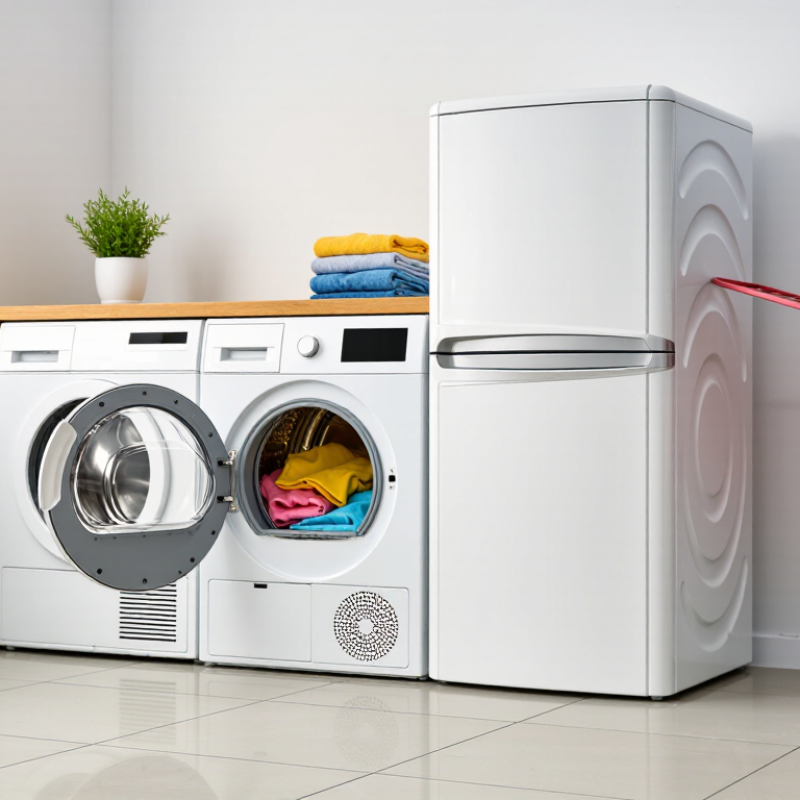
Define Your Drying Needs and Available Space
Choosing a small clothes dryer starts with an honest picture of your laundry routine. Count the loads you dry each week. Note bulky items, delicate fabrics, towels, and bedding. A two-person household may need less capacity than a family with children.
Measure the room before comparing drying programs. Record floor width, height, depth, and the door’s swing area. Leave space around the unit for ventilation and safe maintenance. Do not trust visual estimates. I once measured a narrow laundry corner incorrectly and discovered that the door blocked a cabinet. It was an avoidable mistake. A simple cardboard outline can reveal awkward clearances.
Think about moisture and installation requirements, too. A vented dryer needs a suitable exhaust route. A ventless design may fit more locations, but it can take longer to finish a load. Check the electrical supply and confirm that the floor can support the appliance steadily. Uneven flooring creates noise and unnecessary movement. Very small dryers often handle lighter loads best. Overfilling them can leave thick towels damp in the center. That wastes time.
Your habits matter more than advertised capacity. If you wash small loads often, a compact drum may be practical. If laundry waits until the weekend, extra capacity could prevent repeated cycles. Keep airflow, access, and realistic load size in mind. Space is not only where the dryer stands. It is how safely and comfortably you can use it.
Compare Dryer Types, Capacities, and Ventilation Requirements
How to Choose the Best Small Clothes Dryer for Your Needs?
Compare Dryer Types, Capacities, and Ventilation Requirements
Choosing a small clothes dryer starts with the installation space, not the drum. A vented model often dries clothes quickly and costs less to operate. However, it needs an exterior vent and enough clearance behind the machine. A condenser dryer collects moisture in a tank, so no wall vent is required. Heat-pump dryers also work without a traditional vent. They use less energy, but cycles can take longer. Measure carefully.
Capacity should match your regular laundry, not an occasional oversized load. A two-person household may manage with a compact drum around 3 to 5 cubic feet. Towels and bedding need more room to tumble freely. Small drums can leave thick fabrics damp in the center. I once filled a compact dryer with bath towels and trusted the timer too much. The outside felt dry first. That mistake taught me to reduce the load and extend airflow time.
Ventilation still matters, even with ventless designs. Keep air around the unit according to the installation manual. Check whether the water tank needs frequent emptying or a drain connection. A vented dryer needs a short, smooth duct with minimal bends. Lint buildup can restrict airflow and increase drying time. Do not hide the dryer inside a sealed cabinet. Electrical requirements deserve attention too, especially in older apartments. If the space feels warm or damp, the setup may need reconsideration.
Evaluate Energy Use, Drying Performance, and Fabric Care
Choosing a small clothes dryer requires more than checking its size. Energy use matters, especially in apartments with frequent laundry. Look for an energy label, estimated kilowatt-hours, and adjustable heat settings. A lower wattage does not always mean lower total consumption. Drying time also affects electricity use.
I test performance with towels, shirts, and one heavy cotton item. This reveals whether the drum dries evenly or leaves damp corners. Moisture sensors can stop a cycle when clothes are dry, reducing wasted heat. Timed programs remain useful, but they need closer attention. A compact dryer may struggle with thick fabrics. That is normal.
Fabric care deserves equal attention. Choose low-heat or delicate programs for wool blends, elastic clothing, and lightweight synthetics. High heat can shrink fibers, weaken elastic, and create unnecessary wrinkles. Clean the lint filter after every load. It supports airflow and may improve drying efficiency. I once overloaded a small drum and expected a quick cycle. The clothes came out warm but damp. That mistake was mine. Leave space for garments to tumble freely, even when the laundry basket is full. Check the manual for maximum loads, ventilation needs, and safe fabric guidance. Drying results can vary with room temperature and humidity, so one disappointing cycle should prompt testing, not immediate judgment.
How to Choose the Best Small Clothes Dryer for Your Needs?
Evaluate energy use, drying performance, and fabric care before choosing a compact dryer.
Heat-pump dryers typically use the least electricity and operate at lower temperatures, which is gentler on fabrics, but their cycles are usually longer. Electric-resistance dryers generally dry faster but consume more energy and expose clothing to higher heat. Condenser dryers offer a middle-ground option, although actual results vary with load size, moisture level, room temperature, and selected cycle.
Values shown are representative compact-dryer test-cycle estimates: energy use in kWh per load, cycle time in minutes, and typical maximum drying temperature. Check the appliance energy label and care instructions for exact specifications.
Check Installation, Safety Features, Noise Levels, and Maintenance
Choosing the best small clothes dryer starts with installation, not appearance. Measure the space, including door movement and ventilation gaps. Check the electrical requirements before purchase. Some models need a dedicated circuit, while others require proper exhaust routing. Ventless designs still need airflow around the cabinet. Follow the installation manual carefully. A cramped corner may trap heat and increase drying time. It can also make maintenance awkward.
Safety features deserve close attention. Look for automatic shutoff, overheating protection, a cool-down cycle, and a secure door lock. A lint filter should be easy to remove and clean. Noise matters in apartments or bedrooms. Check the stated decibel level, but treat it as a guide, not a promise. A hard floor can amplify vibration. A rubber mat may help, although an uneven floor can still cause rattling. I would test the dryer during a normal load before placing it near a living area.
Tips: Clean the lint filter after every cycle. Inspect the exhaust path regularly. Wipe moisture sensors gently with a dry cloth. Avoid overloading the drum, even when the clothes appear loosely packed. Leave space around the unit for inspection. Keep a simple maintenance note on your phone. It is easy to forget. If unusual heat, burning smells, or harsh noise appears, stop using the dryer and contact a qualified technician. My own preference would be a slightly slower machine with clearer safety instructions. Convenience is useful, but confidence matters more.
Balance Price, Warranty, and Long-Term Ownership Costs
How to Choose the Best Small Clothes Dryer for Your Needs?
Balance Price, Warranty, and Long-Term Ownership Costs
A low purchase price can look attractive beside a compact dryer with extra features. However, the cheapest model may cost more after repeated repairs, higher electricity use, or difficult maintenance. Check the energy label, rated capacity, drying time, and estimated power use. Then calculate annual energy cost using this formula: kilowatt-hours per cycle × weekly loads × 52 × your local electricity rate. No calculation is perfect. Your laundry habits will change.
Warranty details deserve close attention. Read the coverage period for the motor, heating system, drum, and electronic controls. Some warranties cover parts but exclude labor, transportation, or damage from poor ventilation. Keep the receipt and confirm whether authorized service is available near you. A longer warranty is useful only when its conditions are practical. Fine print matters.
Look beyond the price tag. Examine lint-filter access, replacement-part availability, noise, installation requirements, and expected cycle frequency. A household drying three small loads weekly may value lower energy use more than a faster program. Someone using the machine daily may prioritize a stronger warranty and repairable construction. Measure the room carefully, including door clearance and ventilation space. I once underestimated this step. It is an easy mistake. Choosing a slightly simpler dryer can reduce ownership costs, but only if it suits your actual laundry volume.
How to Choose the Best Small Clothes Dryer for Your Needs? — Balance Price, Warranty, and Long-Term Ownership Costs
| Dryer Type | Typical Purchase Price | Typical Capacity | Approx. Dimensions
(W × D × H) | Typical Energy Use
per Cycle | Typical Warranty | Estimated Annual Energy Cost | Estimated 5-Year Ownership Cost | Best Fit |
| Portable Vented Electric Dryer | $250–$500 | 2.4–3.5 cu. ft.
Approximately 4–7 kg of dry laundry | 24–27 × 19–24 × 30–34 in
61–69 × 48–61 × 76–86 cm | 2.8–4.0 kWh | 1 year limited warranty is common | $93–$133 | $1,000–$1,350 | Lowest upfront cost, renters, occasional use, and spaces with safe external venting |
| Compact Vented Electric Dryer | $500–$900 | 3.4–4.0 cu. ft.
Approximately 5–8 kg of dry laundry | 24–25 × 23–26 × 33–34 in
61–64 × 58–66 × 84–86 cm | 3.0–4.2 kWh | 1 year limited warranty is common; longer coverage may be available for selected components | $100–$140 | $1,250–$1,600 | Regular small-load drying where an approved vent connection is available |
| Compact Condenser Dryer | $700–$1,200 | 3.5–4.5 cu. ft.
Approximately 5–9 kg of dry laundry | 24–25 × 24–26 × 33–34 in
61–64 × 61–66 × 84–86 cm | 2.5–3.5 kWh | 1 year limited warranty is common | $83–$116 | $1,350–$1,850 | Apartments or enclosed rooms without an external vent; requires regular filter and condenser cleaning |
| Compact Heat-Pump Dryer | $1,000–$1,800 | 3.5–4.5 cu. ft.
Approximately 5–9 kg of dry laundry | 24–25 × 24–27 × 33–34 in
61–64 × 61–69 × 84–86 cm | 1.5–2.5 kWh | 1–2 years limited warranty is common; compressor coverage varies by model | $50–$83 | $1,450–$2,200 | Frequent users prioritizing lower electricity consumption, gentler drying, and long-term efficiency |
| Washer-Dryer Combination Unit | $1,200–$2,000 | Drying capacity commonly 2.5–5.0 cu. ft.
Drying capacity is usually lower than washing capacity | 24–27 × 24–34 × 33–34 in
61–69 × 61–86 × 84–86 cm | 1.5–3.5 kWh for drying
Higher when a complete wash-and-dry cycle is used | 1 year limited warranty is common; major-component coverage varies | $50–$116 | $1,750–$2,600 | Very limited spaces where one appliance must wash and dry; slower cycles are typical |
Cost assumptions: Estimated annual energy costs use 208 drying cycles per year, an electricity rate of $0.16 per kWh, and the energy-use ranges shown above. Five-year ownership cost includes the midpoint of the purchase-price range plus five years of estimated electricity use and an allowance of $100–$300 for routine maintenance, accessories, or minor repairs. Actual costs vary by local electricity rates, load size, cycle settings, installation requirements, ventilation, and product-specific warranty terms.