What is the Best Use of Stainless Steel Balls in Industry?
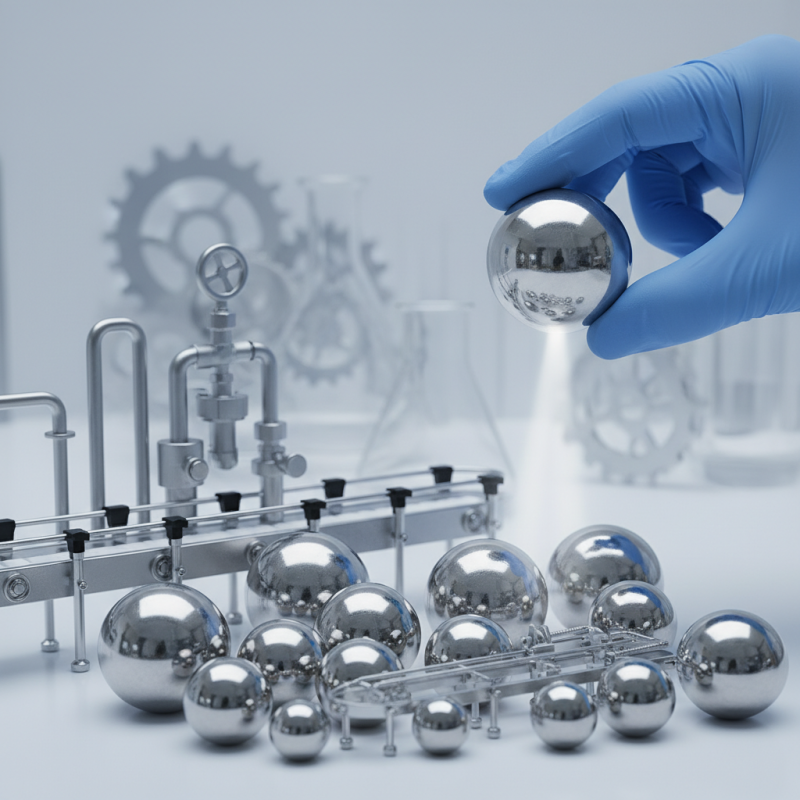
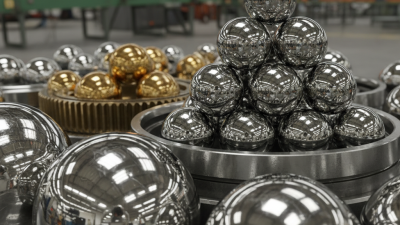
Stainless steel balls are integral in various industrial applications. Their durability and resistance to corrosion make them a popular choice. Industries rely on these small yet mighty components for optimal performance.
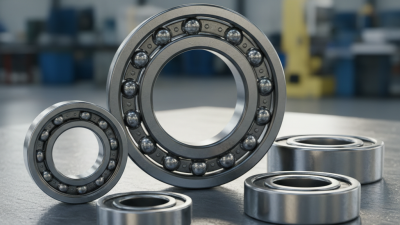
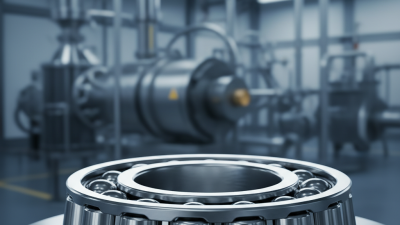
In manufacturing, stainless steel balls are used for bearings and conveyor systems. They facilitate smooth movement and reduce friction. This enhances the lifespan of machinery. However, not all stainless steel balls meet the required standards. Quality control is crucial to ensure reliability.
Moreover, stainless steel balls are also essential in the food and pharmaceutical sectors. They can withstand rigorous cleaning processes, maintaining hygiene. Yet, improper selection can lead to contamination risks. Stakeholders must choose wisely to align with safety protocols.
The Role of Stainless Steel Balls in Bearing Applications and Their Impact
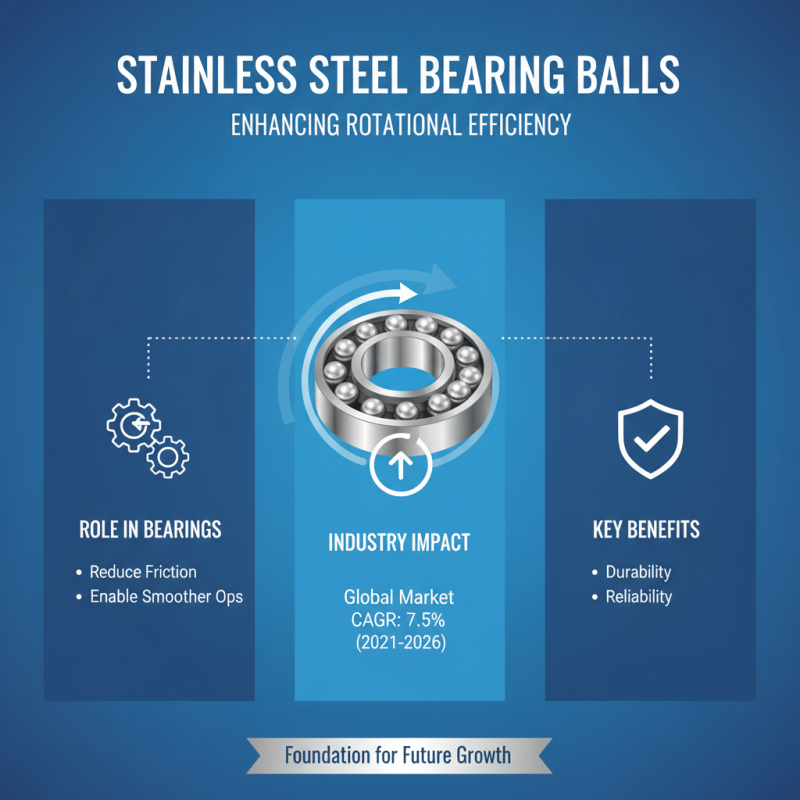
Stainless steel balls are pivotal in many bearing applications across various industries. In manufacturing, these balls enhance rotational efficiency. They reduce friction, enabling smoother operations. According to recent industry reports, the global bearing market is projected to grow at a CAGR of 7.5% from 2021 to 2026. This growth underscores the significance of durable components like stainless steel balls.
In bearing designs, the quality of materials directly impacts performance. Stainless steel balls contribute to a longer service life and reduced maintenance costs. Their resistance to rust and corrosion makes them ideal for demanding environments. A study by the International Journal of Mechanical Engineering highlighted that stainless steel bearings reduce wear by up to 40% compared to alternatives. This reduction is vital for industries reliant on precision and reliability.
Yet, the manufacturing process of stainless steel balls is not without challenges. Variability in material quality can lead to inconsistencies in performance. Additionally, heat treatment processes must be carefully controlled to avoid brittleness. Reflecting on these factors emphasizes the importance of quality control in production. Achieving the right balance between durability and cost-effectiveness remains a constant pursuit for manufacturers in the field.
Stainless Steel Balls in Automotive Industries: Enhancing Performance and Safety
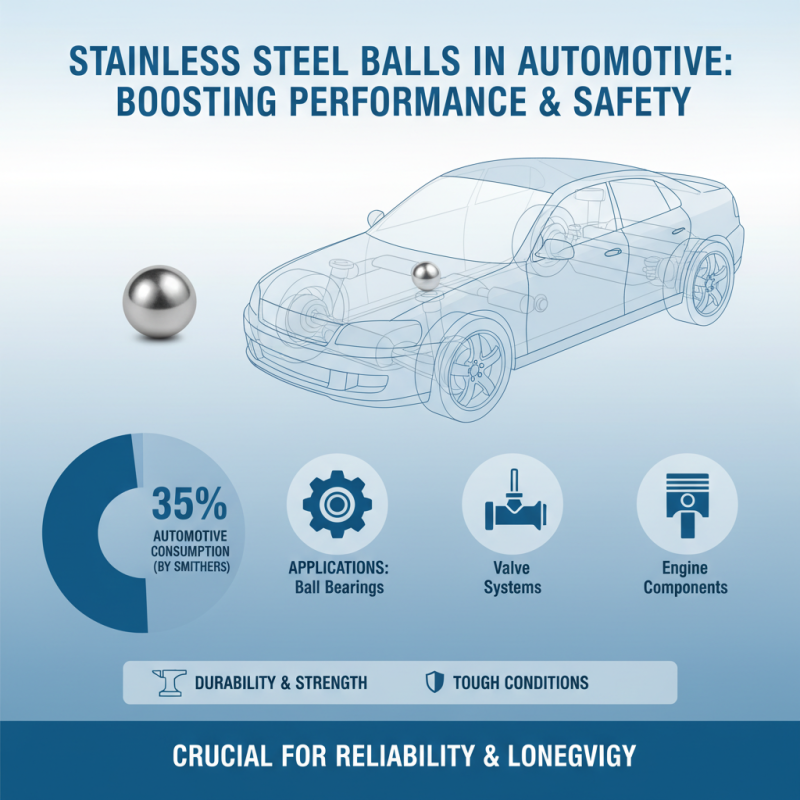
Stainless steel balls play a crucial role in the automotive industry, significantly enhancing performance and safety. According to a recent industry report by Smithers, the automotive sector accounted for approximately 35% of stainless steel ball consumption in 2022. These components are vital in various applications, such as ball bearings, valve systems, and engine components. Their durability and strength make them ideal for handling tough conditions.
In terms of performance, stainless steel balls provide improved wear resistance. This reduces friction in moving parts, thus increasing vehicle efficiency. A study conducted by the International Organization for Standardization shows that better performance of ball bearings can lead to an energy savings of up to 15% in some automotive designs. However, challenges remain, such as corrosion in harsh environments, which manufacturers must address.
Safety is another critical aspect. Stainless steel balls contribute to reliable braking systems and suspension setups. Poor quality components can lead to failures. According to a report from the National Highway Traffic Safety Administration, over 20% of vehicle recalls in recent years were due to parts malfunctioning, which often involves bearings. Continuous innovation and strict quality control are essential in overcoming these issues and maintaining safety standards.
Applications of Stainless Steel Balls in Aerospace Engineering: A Key Component
Stainless steel balls play a vital role in aerospace engineering. Their precision and durability contribute significantly to the reliability of aircraft components. These balls are often found in bearings, engines, and landing gear systems. Their ability to withstand extreme temperatures is essential for high-performance applications.
Aerospace applications require uncompromising standards. Any failure can lead to severe consequences. Thus, using stainless steel balls ensures components last longer and operate efficiently. Engineers select the right materials for specific applications, impacting overall performance and safety.
Tips for choosing stainless steel balls include checking for corrosion resistance and hardness values. Assessing their tolerance levels can also enhance reliability. Always ensure suppliers maintain high-quality standards.
The manufacturing process is not foolproof. Variations in steel quality can occur, leading to inconsistent performance. Regular inspections and quality checks are crucial. Engineers should not underestimate the importance of precise specifications.
Applications of Stainless Steel Balls in Aerospace Engineering
The Use of Stainless Steel Balls in Medical Devices and Equipment Manufacturing
Stainless steel balls play a vital role in medical devices and equipment manufacturing. Their strength and corrosion resistance make them ideal for harsh environments. In surgical instruments, these balls ensure precision and reliability. For instance, they are often used in ball bearings and actuators that require smooth movement.
Moreover, stainless steel balls can be found in various medical devices, including catheters and pumps. These components need to withstand repeated use without degrading. The material ensures hygiene and safety, which are paramount in healthcare settings. However, the challenge lies in maintaining consistency during production. Any slight deviation in size or quality can affect the performance of the device.
Quality control is crucial throughout the manufacturing process. Ensuring that stainless steel balls meet stringent medical standards is essential. Regular audits and testing can help address imperfections. This commitment to quality can prevent costly recalls and enhance patient safety. Adapting to evolving medical needs will also require ongoing innovation in the use of these components.
What is the Best Use of Stainless Steel Balls in Industry?
| Application |
Material Type |
Size Range (mm) |
Typical Use |
Key Benefits |
| Medical Devices |
316L Stainless Steel |
1.0 - 10.0 |
Ball Bearings in surgical tools |
Corrosion resistance, Biocompatibility |
| Pharmaceutical Equipment |
440C Stainless Steel |
3.0 - 25.0 |
Mixing and homogenizing products |
High durability, Wear resistance |
| Dental Equipment |
Austenitic Stainless Steel |
0.5 - 5.0 |
Ball fixtures for dental drills |
Non-magnetic, Smooth surface |
| Medical Imaging |
303 Stainless Steel |
1.0 - 15.0 |
Components in imaging equipment |
Excellent formability, Low magnetic permeability |
Market Trends: Growth and Demand for Stainless Steel Balls in Various Industries
Stainless steel balls are gaining prominence across various industries due to their unique properties. The recent market trends indicate a heightened demand, especially in manufacturing and automotive sectors. These sectors require precision components that ensure durability and efficiency. Stainless steel balls, known for their corrosion resistance and strength, fit this need perfectly.
In the aerospace industry, stainless steel balls play a vital role in bearings and valve systems. Their ability to withstand extreme conditions is critical. However, sourcing high-quality stainless steel can be challenging. Not all suppliers adhere to the same standards, leading to inconsistencies in performance. This raises questions about reliability and quality control in the production process.
Furthermore, the medical industry relies on stainless steel balls for various applications, including surgical instruments. The stringent health regulations make quality assurance a priority. Any failure in quality can have serious repercussions. As the demand for stainless steel balls grows, industries must remain vigilant about quality sourcing and innovative manufacturing techniques to meet evolving standards.