Why Choose 316 Stainless Steel Properties for Your Projects?
Choosing the right material for your projects is crucial. One option that stands out is 316 stainless steel. The 316 stainless steel properties make it ideal for a variety of applications, especially in corrosive environments. According to recent industry reports, this grade of stainless steel offers excellent resistance to pitting, making it favorable for marine and chemical applications.
Many professionals recommend 316 stainless steel due to its impressive durability. It boasts a tensile strength higher than many other stainless steel alloys. This combination of strength and resistance can lead to longer-lasting products, reducing the need for frequent replacements. However, some may overlook its cost-effectiveness over time.
On the other hand, sourcing high-quality 316 stainless steel may be challenging. Not all suppliers adhere to strict industry standards. It's essential to verify the certification and specifications of the material. While the advantages are clear, the sourcing aspect can introduce complications. It’s important to reflect on the implications of material choice in your specific project contexts.
Understanding the Basics of 316 Stainless Steel Composition
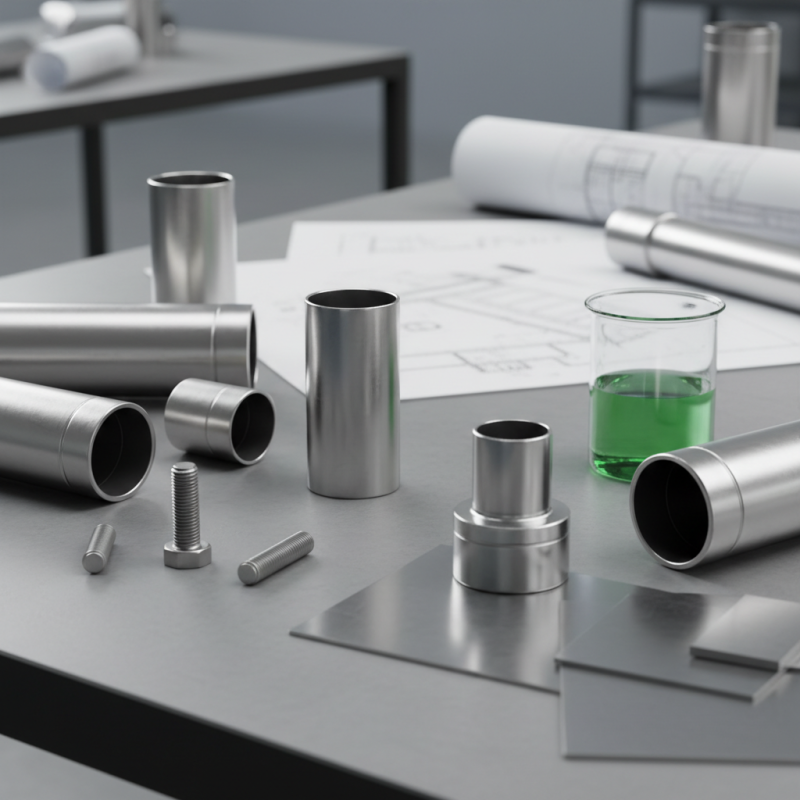
316 stainless steel is a popular choice for various projects due to its unique composition. It contains a specific blend of nickel, chromium, and molybdenum. This combination enhances its resistance to corrosion and pitting. With a minimum of 16% chromium, 10% nickel, and 2% molybdenum, 316 stainless steel stands strong against harsh environments.
The molybdenum content is critical. It provides increased resistance to chlorides, making 316 ideal for marine applications. The enhanced durability means fewer replacements and repairs. Industries often rely on 316 stainless steel for its longevity. However, it's essential to consider the cost. While it's a top choice, its price can be higher than other stainless steels.
Another factor is its workability. Although 316 is easier to fabricate than other alloys, its toughness can sometimes complicate manufacturing. This nuance requires skilled personnel to ensure precision. Projects must weigh these elements to avoid costly mistakes. Every material has drawbacks, and 316 stainless steel is no exception.
Key Properties of 316 Stainless Steel and Their Importance
316 stainless steel is renowned for its impressive properties, making it a popular choice for various projects. Its exceptional corrosion resistance is one of its most important characteristics. This material can withstand harsh environments, especially in marine settings. This durability extends the lifespan of products, reducing maintenance costs over time.
Another key property is its high-temperature resistance. 316 stainless steel can maintain integrity under elevated temperatures, making it suitable for pressure vessels and piping. This property, however, should be evaluated carefully in specific applications. Heat treatment can alter its strength, which can lead to potential weaknesses.
Furthermore, 316 stainless steel is known for its ease of fabrication. It can be welded and formed into complex shapes without significant loss of strength. This flexibility allows designers to explore innovative solutions. However, the process can introduce imperfections, necessitating careful inspection and quality control. Understanding these properties ensures projects meet performance requirements while acknowledging potential challenges.
Why Choose 316 Stainless Steel Properties for Your Projects?
| Property |
Description |
Importance |
| Corrosion Resistance |
Excellent resistance to corrosion in various environments, including seawater and acidic conditions. |
Crucial for longevity and performance in marine and chemical applications. |
| Heat Resistance |
Ability to withstand high temperatures without compromising structural integrity. |
Essential for applications involving heat processing and environments with high thermal exposure. |
| Mechanical Properties |
Good tensile strength and ductility, making it easy to work with. |
Important for manufacturing and ensuring material performance in structural applications. |
| Aesthetic Appeal |
Polished finish provides a clean and attractive look. |
Enhances the visual appeal of products in consumer-facing industries. |
| Weldability |
Easily welded using standard methods, ensuring strong joints. |
Critical for construction and assembly processes, facilitating complex designs. |
Applications of 316 Stainless Steel in Various Industries
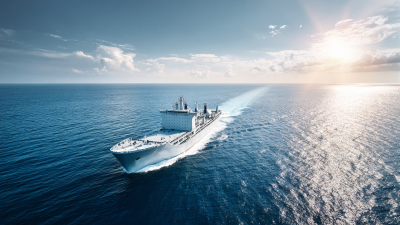
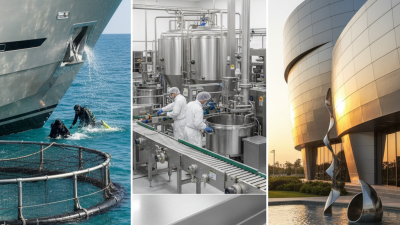
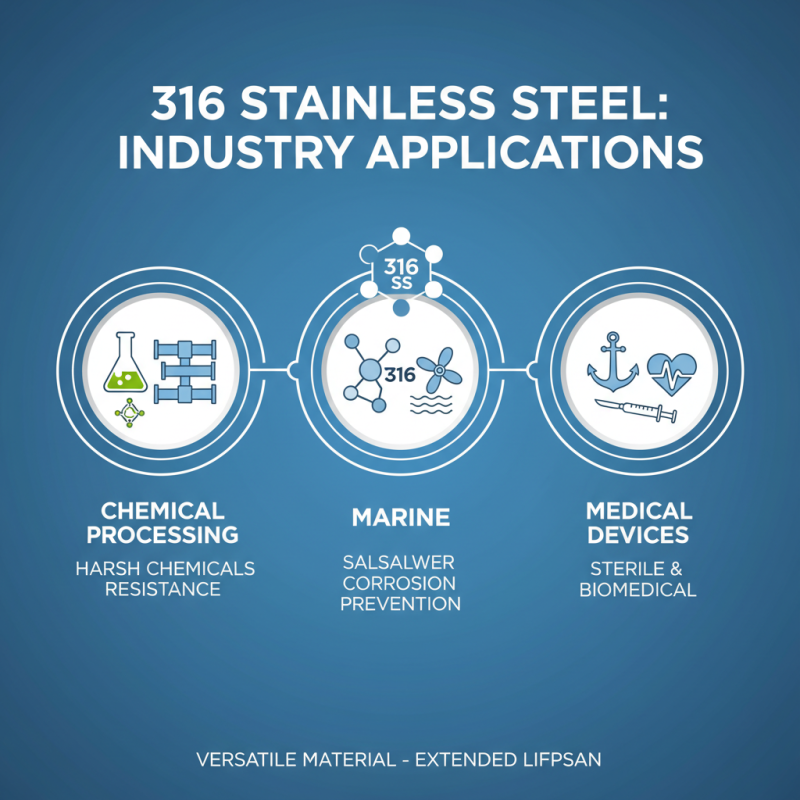
316 stainless steel is a versatile material used across various industries. Its resistance to corrosion makes it ideal for environments exposed to harsh chemicals. In the marine industry, for example, 316 stainless steel is used in shipbuilding and components due to its ability to withstand saltwater. This property helps to prevent rust and prolongs the lifespan of marine equipment.
In the food processing sector, 316 stainless steel is commonly found in equipment. Its hygienic surface is easy to clean, preventing bacterial growth. This is crucial in maintaining health standards. However, it can be more expensive than other grades, which may deter some manufacturers. While its advantages are significant, the cost must be weighed against project budgets.
The pharmaceutical industry also benefits from 316 stainless steel's properties. Equipment made from this material ensures purity in drug manufacturing. It resists contamination, which is vital in producing safe medical products. Despite these benefits, some industries may require even more specialized materials for extreme conditions. Evaluating project needs is essential for choosing the right material.
Comparative Advantages of 316 Over Other Stainless Steel Grades
When selecting materials for projects, 316 stainless steel stands out for its superior properties. It contains molybdenum, which enhances resistance to chloride-induced corrosion. Compared to 304 stainless steel, 316 offers up to three times higher resistance against pitting and crevice corrosion. This makes it ideal for marine environments and chemical processing applications, where exposure to harsh conditions is common.
In a study by the Nickel Institute, 316 stainless steel was reported to have a significantly longer lifespan in corrosive environments compared to other grades. Projects that involve saltwater or certain chemicals can benefit from the higher durability of 316. The material maintains its strength and appearance even under extreme conditions. However, it’s worth noting that 316 is more expensive than 304, which can affect project budgets.
Tip:
Always evaluate the specific environment your project will face. While 316 is durable, assess whether the cost aligns with your needs. Investing in material with higher resistance may save money in the long run. Be mindful of the application. Not all projects require the high standards of 316. Sometimes, a simpler stainless steel grade suffices and could be more cost-effective.
Factors to Consider When Choosing 316 Stainless Steel for Projects
When choosing materials for your projects, 316 stainless steel stands out. Its corrosion resistance is notable. This alloy contains molybdenum, which enhances its performance in harsh environments. Strength and durability are essential factors. 316 stainless steel meets these criteria and can withstand extreme temperatures.
Consider the environment where the material will be used. Will it face saltwater exposure? Industrial chemicals? 316 stainless steel performs well in these conditions. However, it may be more costly than other materials. Evaluate your budget carefully. The long-term benefits often outweigh the initial cost.
A factor that often gets overlooked is fabrication. 316 stainless steel is hard to work with compared to other alloys. More advanced equipment is needed, which could increase project timelines. Always factor in these manufacturing challenges. Creating a solid plan helps mitigate possible issues. Balancing standards with practical constraints is vital in any project.