How to Choose the Best 8mm Ball Bearings for Your Needs?
Choosing the right 8mm ball bearings can significantly impact your equipment's performance. With numerous options on the market, it can feel overwhelming. Understanding specific requirements is crucial. Factors like load capacity, material, and intended application play vital roles.
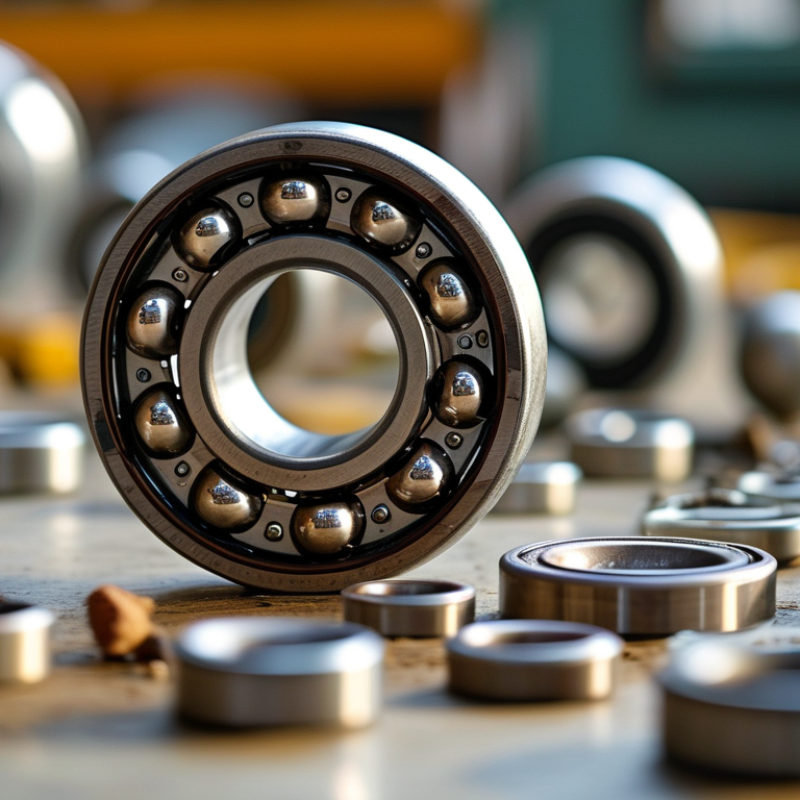
8mm ball bearings are common in various devices, from bicycles to machinery. Their versatility makes them popular among hobbyists and professionals alike. However, not all ball bearings are created equal. The quality can vary widely, affecting durability and efficiency.
It’s essential to consider your specific needs and the environment where the bearings will operate. For example, will they face extreme temperatures or high speeds? Reflecting on these details helps narrow down your choices. Ultimately, selecting the best 8mm ball bearings will enhance your project's success and longevity.
Factors to Consider When Choosing 8mm Ball Bearings
When selecting 8mm ball bearings, several key factors come into play. The type of application is crucial. For high-speed machinery, bearings must offer minimal friction. These bearings can reduce energy consumption by up to 30%, according to industry studies. For precision instruments, tolerances are vital. The ISO 492 standard specifies these tolerances, which can significantly impact performance.
Material choice significantly affects durability and performance. Stainless steel is popular due to its corrosion resistance. However, ceramic bearings may last longer in demanding environments. According to a report by the American Bearing Manufacturers Association, hybrid bearings can outperform traditional materials in terms of wear resistance. It’s essential to consider load ratings. Exceeding the recommended load can lead to premature failure.
Cost is another important factor, but it shouldn’t be the only consideration. Higher-quality bearings may have a higher initial cost but can offer superior longevity and efficiency. Evaluating total cost of ownership is crucial for long-term savings. Proper lubrication plays a role in bearing lifespan too. Inadequate lubrication can reduce the function and lifespan significantly.
Types of 8mm Ball Bearings and Their Applications
When selecting 8mm ball bearings, understanding the different types is key. One common type is the deep groove ball bearing. This versatile bearing handles radial and axial loads efficiently. It's widely used in electric motors, fans, and automotive applications. Users appreciate its ability to maintain performance under various conditions, but improper installation can lead to premature failure.
Another type is the angular contact ball bearing. This design supports higher speeds and can handle heavier axial loads. It's ideal for precision machinery and high-performance applications. However, its installation requires careful alignment. Incorrect mounting can cause uneven wear, reducing its lifespan and performance.
Finally, there are flanged ball bearings. Their integrated flange simplifies installation, making them suitable for fixed positions. They are found in applications like conveyor systems and robotics. A downside is their limited axial load capacity compared to other types. Users must assess their specific needs when choosing bearings to avoid these pitfalls. Each type serves a unique purpose and can lead to inefficiencies if not selected wisely.
Material Options for 8mm Ball Bearings: Pros and Cons
When selecting 8mm ball bearings, materials play a crucial role. Common options include stainless steel, plastic, and ceramic. Each material has unique pros and cons that influence performance and durability. Stainless steel is well-known for its strength and corrosion resistance. It is ideal for many applications but can be heavier than other options.
Plastic bearings offer low friction and lightweight properties. They are resistant to moisture, making them suitable for environments prone to corrosion. However, they may not withstand high load conditions as effectively as metal options. Ceramic bearings, while more expensive, provide excellent hardness and low thermal expansion. They can perform well in extreme conditions but may shatter under impact.
Choosing the right material is often challenging. Many users focus solely on price rather than the specific needs of their application. Ignoring factors like load capacity or environmental conditions may lead to premature bearing failure. Assessing these details can be complex but is necessary for achieving optimal performance. Balancing cost, performance, and durability can yield smarter choices.
8mm Ball Bearings Material Comparison
How to Evaluate the Performance of 8mm Ball Bearings
When evaluating the performance of 8mm ball bearings, start by considering the material used. Stainless steel is a common choice due to its durability and resistance to corrosion. Ceramic ball bearings offer less friction but can be more fragile. Understand the trade-offs of each material and how they fit your specific needs.
Pay attention to the load ratings provided by manufacturers. This information indicates how much weight the bearings can support. Overloading can lead to premature wear or failure. It's essential to choose bearings that align with your application requirements. Performance tests can also help ascertain the grip and speed capabilities of the ball bearings.
Look for performance indicators such as the noise level during operation. Excessive noise may indicate underlying issues, which could lead to failure. Monitoring how bearings feel during use can reveal problems before they escalate. Adjust your choice based on these observations. Regularly check for signs of wear, as early detection can prolong the life of your equipment.
Understanding the Cost Factors of 8mm Ball Bearings
When selecting 8mm ball bearings, understanding the cost factors is essential. Material quality is a primary concern. Stainless steel offers durability but comes at a higher price. Chrome steel can be cheaper but may lack the same lifespan.
Production techniques also affect costs. Bearings made through advanced manufacturing methods may be pricier. However, they often provide superior performance. Check the precision levels involved. Higher precision may mean a more significant investment but ensures reliability in high-motion applications.
Consider the quantity you need. Buying in bulk can reduce the per-unit cost. It’s wise to balance quality with budget. Some cheaper options may fail sooner, leading to more frequent replacements. Invest time in research; it pays off. Many resources are available to compare and analyze the long-term value of your choices. Bear in mind that cheaper is not always better.
How to Choose the Best 8mm Ball Bearings for Your Needs? - Understanding the Cost Factors of 8mm Ball Bearings
| Bearing Type |
Material |
Grade |
Load Capacity (N) |
Price ($) |
| Deep Groove |
Chrome Steel |
ABEC 1 |
200 |
0.50 |
| Angular Contact |
Stainless Steel |
ABEC 3 |
300 |
1.20 |
| Self-Aligning |
Plastic |
ABEC 5 |
150 |
0.80 |
| Thrust Ball Bearings |
Carbon Steel |
ABEC 1 |
100 |
0.40 |
| Ceramic Ball Bearings |
Ceramic |
ABEC 7 |
350 |
3.50 |