How to Choose the Best Cleanroom Panel for Your Needs?
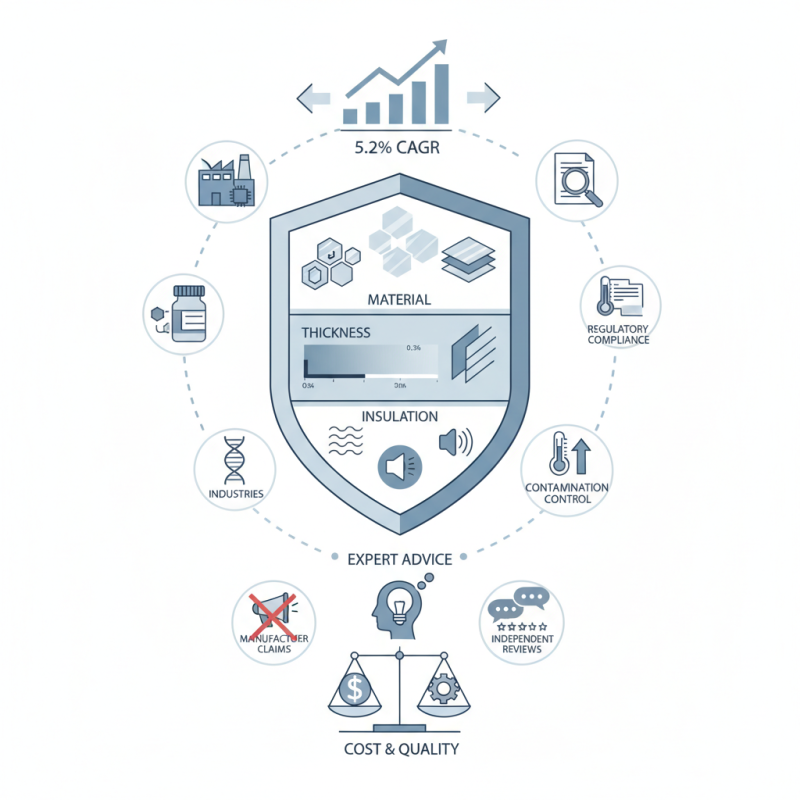
Choosing the right Cleanroom Panel is crucial for various industries, especially in pharmaceuticals and electronics. According to a recent report from the Cleanroom Technology Association, the global cleanroom panel market is expected to grow at a CAGR of 5.2% from 2023 to 2028. This growth emphasizes the importance of making informed decisions when selecting cleanroom components. Industry expert Dr. Emily Carter once said, "Selecting the right Cleanroom Panel determines the effectiveness of contamination control in critical environments."
When evaluating Cleanroom Panels, factors like material, thickness, and insulation properties should be considered. Many organizations overlook these aspects, which can lead to costly mistakes. Inadequate panels can compromise air quality and regulatory compliance. The type of cleanroom also influences the choice of panels—different classifications necessitate varying specifications.
It's essential to seek advice from knowledgeable sources. However, relying solely on manufacturer claims may not be enough. Gathering independent reviews and feedback can provide a clearer picture. The challenge lies in balancing cost and quality, ensuring the selected panels meet industry standards without exceeding budget constraints.
Understanding the Importance of Cleanroom Panels in Controlled Environments
Cleanroom panels play a crucial role in maintaining controlled environments. These panels help manage air quality, temperature, and cleanliness, essential for various industries. According to a report by the International Cleanroom Industry Association, up to 70% of contamination in cleanrooms can be traced back to poor panel integrity. Thus, choosing the right cleanroom panel is vital for operational success.
Selecting cleanroom panels requires an understanding of their materials and design. Materials like steel, aluminum, or composite are common, each offering different benefits. Steel provides durability, while aluminum is lightweight and easier to install. Composite panels are often used for better thermal insulation. A cleanroom panel’s thickness also significantly impacts its performance. Thicker panels typically offer better insulation but may be harder to install.
Tips: Always assess the specific requirements of your cleanroom. Consider factors like airflow, humidity levels, and the type of work being done. It’s important to regularly inspect panels for wear and tear. Overlooking minor damages can lead to significant contamination risks. Ultimately, invest in high-quality panels that align with your environmental needs.
How to Choose the Best Cleanroom Panel for Your Needs?
| Panel Type | Material | Thickness (inches) | Insulation Value (R-Value) | Fire Rating | Cost per Sq Ft |
| EPS (Expanded Polystyrene) | Polystyrene | 2 | R-12 | Class A | $15 |
| Polyurethane | Polyurethane | 3 | R-14 | Class A | $18 |
| Mineral Wool | Mineral Wool | 2 | R-10 | Class A | $13 |
| Honeycomb Panel | Aluminum | 1.5 | R-9 | Class B | $20 |
| Steel-faced Panel | Steel | 2 | R-11 | Class A | $17 |
Key Factors to Consider When Selecting Cleanroom Panels
When selecting cleanroom panels, various factors come into play. One key consideration is the material. Different materials provide different levels of contamination control. For instance, stainless steel panels are durable and easy to clean. On the other hand, fiberglass-reinforced panels are resistant to moisture and chemicals. Depending on your specific environment, these characteristics can greatly impact performance.
Another important factor is insulation. Well-insulated panels help maintain temperature and humidity levels. This is crucial in many cleanroom applications. It’s also vital to think about the panel thickness. Thicker panels often provide better structural integrity but may add to costs. Consider what balance works for your needs and budget.
A lesser-known aspect to reflect on is the ease of installation. Panels that require complicated setups can lead to delays and increased labor costs. Finally, assess the maintenance requirements of the panels you choose. Regular upkeep can prevent larger issues in the long run. This thoughtfulness can save significant time and expense in cleanroom management.
Types of Cleanroom Panels and Their Applications
When selecting cleanroom panels, understanding the types available is crucial. Common panel types include modular, insulated, and fiberglass-reinforced panels. Modular panels are flexible and allow for easy reconfiguration. They are great for dynamic environments. Insulated panels offer energy efficiency and thermal control, making them ideal for temperature-sensitive areas. Fiberglass panels are non-porous and resistant to chemical exposure, perfect for labs and pharmaceutical applications.
Tips: Consider the environmental conditions in your cleanroom. Humidity and temperature can affect panel choice. Don't overlook noise control requirements. Evaluate how panel materials can mute sounds in sensitive areas.
The installation process can be challenging. It requires careful planning and execution. Inadequate installation may lead to contamination. Always ensure panels meet cleanroom standards. Ask for expert input when in doubt. This can minimize errors and improve overall reliability. Keeping sanitation in mind will guide you towards the best choices for your needs.
Evaluating Material Options for Cleanroom Panel Construction
Choosing the right cleanroom panel starts with understanding material options. The most common materials are metal, plastic, and composite panels. Each has its unique properties. Metal panels offer durability and strength. They can withstand harsh environments. However, they may lead to increased thermal mass, affecting temperature stability.
Plastic panels provide flexibility and easy maintenance. They are lightweight and resistant to chemicals. Yet, they might not offer the same level of durability as metal.
Composite panels blend both materials, aiming for balanced performance. They can be effective in various cleanroom applications. However, their cost can vary widely, warranting careful consideration.
Evaluating these materials involves assessing specific cleanroom requirements. For example, think about the environment's cleanliness, humidity, and temperature control. Each factor can influence panel performance. Some materials might require extra sealing or coatings, which could complicate maintenance. Engage experts to assess your facility’s unique needs. Their insights can help avoid costly mistakes. Understanding the properties of materials is crucial, as it directly impacts cleanroom performance.
Cost Considerations and Budgeting for Cleanroom Panel Installation
When planning for cleanroom panel installation, cost considerations are paramount. The material selection plays a significant role in your budget. Panels made from steel or aluminum often come with higher upfront costs but may offer better durability. On the other hand, lower-cost materials might have hidden expenses related to maintenance.
Installation costs can also vary. Labor charges depend on local market rates and panel complexity. Expect additional fees for custom sizes or design alterations. It’s crucial to obtain multiple quotes to understand your financial commitment fully. Review the details, as some quotes may lack transparency about extra charges.
Budgeting should include not just the panels, but also ancillary costs. Consider any necessary upgrades to HVAC systems or lighting. Quality installations may lead to fewer long-term costs, ensuring you don’t need frequent replacements. However, it’s essential to assess whether you truly need the highest quality or if a more budget-friendly option suffices. Balancing quality, function, and cost is a nuanced task that requires careful thought.