MON - FRI 8AM - 5PM

Why Choose AISI 304 Stainless Steel for Global Procurement?

In today’s global supply chain, choosing the right materials is crucial. AISI 304 stainless steel stands out for its versatility and reliability. It is often preferred in various industries for its excellent corrosion resistance and durability. This material can handle extreme temperatures and harsh environments.

When sourced wisely, AISI 304 stainless steel offers both cost-effectiveness and high performance. However, not all suppliers guarantee the same quality. It is essential to conduct thorough research. Understanding the nuances of this alloy can help businesses avoid pitfalls. Quality variations exist based on manufacturing standards and certifications.

Moreover, it is vital to consider the application requirements. While AISI 304 stainless steel is robust, some projects might demand alternative grades for specific properties. This makes it crucial to weigh all options carefully. Ultimately, the choice of AISI 304 stainless steel should align with project goals for optimal results.
Why Choose AISI 304 Stainless Steel for Global Procurement?

Advantages of AISI 304 Stainless Steel in Global Markets

AISI 304 stainless steel stands out as a top choice in global procurement due to its remarkable properties. This alloy exhibits excellent corrosion resistance, making it ideal for various environments. It maintains strength at high temperatures and remains durable despite exposure to harsh elements. Many industries rely on AISI 304 for its reliability and long life span in critical applications.

Additionally, this stainless steel offers exceptional versatility. It can be found in food processing, chemical, and construction sectors. Its non-reactive nature ensures safety when used in food contact surfaces. However, while AISI 304 is generally robust, it is not impervious to pitting in chloride-rich environments. Understanding these limitations is crucial for making informed procurement choices.

The aesthetic appeal of AISI 304 is another factor to consider. Its polished finish enhances visual quality in architectural designs. While it becomes a preferred option in high-end applications, the cost can be a hurdle. Balancing quality and affordability in procurement decisions takes thought and analysis. Trusting AISI 304 stainless steel involves weighing its advantages against potential challenges in specific contexts.
Key Properties of AISI 304 Stainless Steel for Procurement Decisions

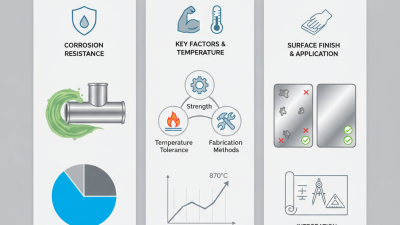
AISI 304 stainless steel is an excellent choice for global procurement due to its versatile properties. It features high corrosion resistance, making it suitable for a variety of environments. This is crucial in industries like food processing and pharmaceuticals, where cleanliness is paramount. AISI 304 can withstand extreme temperatures, ensuring durability and longevity in harsh conditions.

Another critical aspect is its formability. This steel can be easily molded and welded, facilitating diverse manufacturing processes. Many suppliers appreciate its magnetic properties as well. While it is primarily non-magnetic, some treatments can alter this characteristic. It’s essential to consider these variations when making procurement decisions.

However, potential users should not overlook the challenges. For instance, AISI 304 is less resistant to chloride-induced stress corrosion. This limitation may affect its performance in marine environments. Understanding both its strengths and weaknesses helps businesses choose wisely. Awareness of these properties can lead to better procurement practices and improved product reliability.

Applications of AISI 304 Stainless Steel Across Various Industries

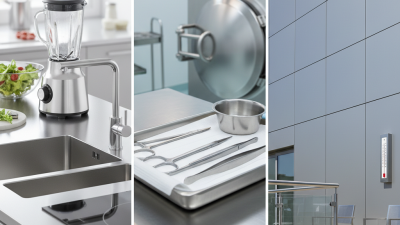
AISI 304 stainless steel is widely used across various industries due to its impressive properties. Its excellent corrosion resistance makes it ideal for food processing. In kitchens, it resists stains and ensures food safety. Many restaurants and cafeterias utilize this material for countertops and sinks. It holds up well in hot and humid environments.

The automotive sector also benefits from AISI 304. Components made from this steel resist rust and wear. The durability helps in extending vehicle life. However, not every application requires this material. Budget constraints can lead customers to explore alternatives.

In the medical field, AISI 304 is commonly used for surgical instruments. Its biocompatibility is crucial for safety. Yet, the sterilization process can be challenging. It may need careful management to ensure reliability. This choice reflects its versatility and the need for thoughtful application in different scenarios.

Applications of AISI 304 Stainless Steel Across Various Industries

Cost-Effectiveness of AISI 304 Stainless Steel for Buyers

When considering materials for global procurement, AISI 304 stainless steel stands out due to its cost-effectiveness. This alloy is widely used in various industries, from food processing to construction. It offers a fine balance between quality and price, making it accessible for businesses of all sizes.

One of the main reasons buyers appreciate AISI 304 is its durability. It resists corrosion and withstands high temperatures, reducing replacement costs in the long run. For industries that rely on hygiene, such as food service, AISI 304’s non-reactive nature is crucial. However, it is essential to acknowledge that while it performs well, it may not be suitable for environments with extreme chemical exposure.

In terms of procurement, bulk purchasing can significantly lower costs. Many suppliers offer competitive pricing, especially for larger orders. Yet, buyers should remain cautious about sourcing low-quality alternatives. The impact of choosing subpar materials can ripple through production and lead to unforeseen expenses. A balanced approach to AISI 304 stainless steel procurement is essential for maximizing value.

Comparison of AISI 304 with Other Stainless Steel Grades in Procurement

When considering AISI 304 stainless steel for global procurement, a comparison with other grades is essential. AISI 304, known for its versatility, comprises 18% chromium and 8% nickel. This composition grants it excellent corrosion resistance, crucial for various applications. In contrast, AISI 316 contains molybdenum, enhancing its resistance to chlorides. However, 316 is often more costly, making 304 a more economical choice for many projects.

Data from industry reports indicate that AISI 304 accounts for approximately 70% of all stainless steel usage worldwide. Its balance of strength and ductility allows for easy fabrication and welding. Meanwhile, grades like AISI 430 are magnetic and less corrosion-resistant, limiting their applications. Consider that while lower grades might seem cheaper, long-term costs can escalate due to maintenance and replacement.

Tip: Always assess the specific environment where the stainless steel will be used. For instance, food processing may require the enhanced properties of AISI 304 or 316. Additionally, consider potential market fluctuations impacting raw material availability. Small design revisions might improve performance and reduce costs.

Request a Quote

To learn more about any of the products and services provided by Abbott Ball Company, Inc., simply complete the form below.