How to Choose the Best Isolation Mounts for Your Needs?
Choosing the right Isolation Mounts can significantly impact your project's success. According to Dr. James A. Harrison, a leading expert in vibration control systems, "The right isolation mount can mean the difference between equipment longevity and premature failure." This insight highlights the importance of making informed decisions in this field.
Isolation Mounts are designed to reduce vibration and shock transmission. They play a crucial role in protecting sensitive equipment. Their performance depends on various factors, including load capacity and material properties. It’s essential to understand your specific application needs before selecting a mount. Consideration of these details can lead to better outcomes.
However, many overlook the nuances of choosing Isolation Mounts. For instance, incorrect sizing or material mismatch can lead to inefficiencies. Engineers often learn the hard way that trial-and-error can be costly. Taking the time to research and consult experts can save time and resources. As the field evolves, so too should our approach to selecting the best Isolation Mounts.
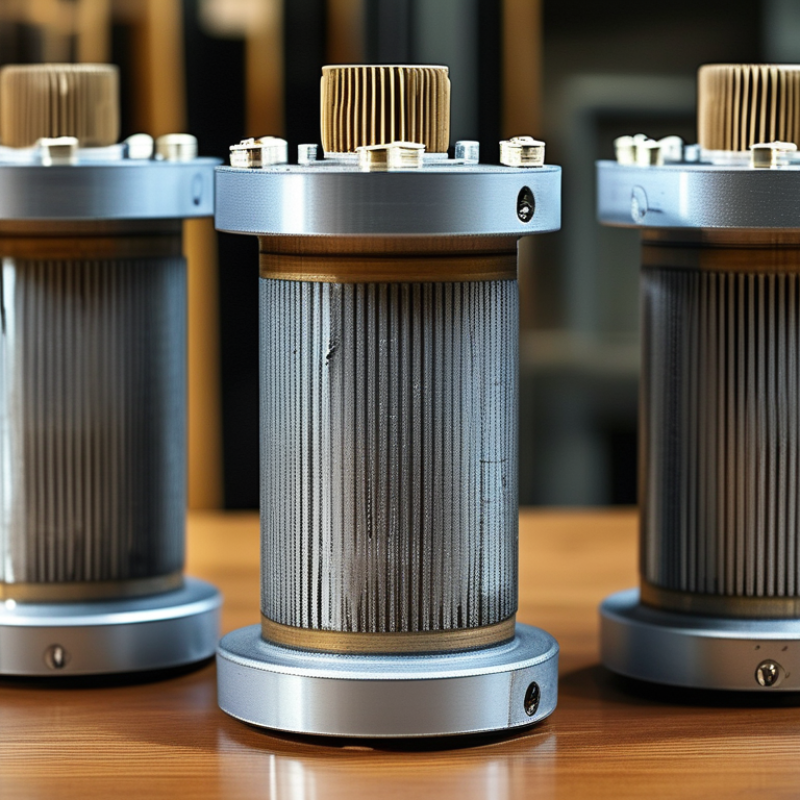
Understanding the Purpose of Isolation Mounts
Isolation mounts play a crucial role in reducing vibrations and noise in various applications. They are essential for equipment longevity and performance. Understanding their purpose is key to making an informed choice. According to a report by the International Journal of Acoustics and Vibration, improper mounting can lead to a 30% increase in equipment wear over time. This statistic underscores the importance of selecting the right isolation mounts.
These mounts are designed to absorb shocks and vibrations, preventing them from affecting sensitive equipment. In industrial settings, vibrations can lead to mechanical failures and reduced efficiency. A study from the Institute of Vibration Analysis highlights that over 60% of machinery failures are linked to inadequate vibration isolation. Properly selected mounts can mitigate these risks. However, not all mounts are suited for every application, and it is vital to consider factors like load capacity and damping characteristics.
Some users may quickly choose mounts based on price rather than application needs, which is a common mistake. This oversight could result in significant costs in the long run. The key lies in balancing cost versus performance. For instance, while a cheaper mount might save money upfront, poor vibration control can lead to increased maintenance expenses. Evaluating the specific requirements of your equipment is essential for achieving optimal results. Users should reflect on their existing mounting solutions and consider whether they truly meet their operational demands.
Types of Isolation Mounts: A Comprehensive Overview
When it comes to isolation mounts, understanding the various types is crucial for effective application. Isolation mounts can be broadly categorized into rubber, spring, and active isolation mounts. Each type serves a distinct purpose in vibration control. Rubber mounts, for instance, are often used in smaller applications and are effective in dampening low-frequency vibrations. Research indicates that rubber mounts can reduce vibrations by up to 50% in certain scenarios.
Spring mounts provide a more robust solution. They are adept at handling heavier loads and higher frequency vibrations. According to industry reports, spring mounts can achieve a damping efficiency of nearly 75%, making them suitable for industrial equipment. However, using spring mounts requires careful consideration of load specifications. Miscalculations can lead to subpar performance or even equipment damage.
Active isolation mounts represent the latest in vibration control technology. These systems use sensors and actuators to adapt to varying conditions dynamically. While they offer superior performance, their complexity necessitates thorough understanding and maintenance. Reports suggest that, without proper installation, these mounts can result in instability. Selecting the right type involves evaluating your specific needs and understanding potential pitfalls. Make informed decisions based on data to achieve the best performance in your applications.
Isolation Mounts Performance Comparison
This bar chart displays the performance comparison of different types of isolation mounts based on their vibration reduction efficiency and load capacity.
Factors to Consider When Selecting Isolation Mounts
When selecting isolation mounts, several key factors must be considered to ensure optimal performance. The type of vibration you are dealing with significantly influences your choice. For example, industrial machinery often produces low-frequency vibrations. A study by the International Society of Vibration Engineering highlights that mounts designed for lower frequencies can reduce vibration transmission by up to 95%. This reduction leads to improved equipment longevity and enhanced operational efficiency.
Load capacity is another critical factor. Each mount has a specified load limit. Exceeding this limit can lead to premature failure. A report by the Machinery Vibration Association shows that only 30% of organizations accurately assess their load requirements. This miscalculation can result in costly downtime and repairs. Additionally, consider environmental factors such as temperature and humidity. Your isolation mounts must be resistant to these influences to maintain their effectiveness in challenging conditions.
Lastly, flexibility and installation ease are important. Some mounts require complex installation, increasing labor costs. Conversely, easy-to-install options can save both time and money. However, ensure that ease of use does not compromise performance. Sometimes, the simplest choice may not provide the best isolation. Sifting through these considerations can be daunting, but taking the time to evaluate each thoroughly is essential for success.
Evaluating Load Capacity and Performance Requirements
When selecting isolation mounts, load capacity is crucial. This measure ensures that the mounts can support the weight of the equipment without failure. Evaluate the maximum load each mount can handle. Exceeding this limit risks damage to both the mount and your equipment. Performing a proper load analysis helps to avoid costly mistakes.
Performance requirements also play a significant role. Think about the vibrational frequencies your setup will encounter. It's essential to choose mounts designed to dampen specific frequencies. Some mounts may perform well under static loads but fail to manage dynamic loads effectively. Look for mounts with a balance of rigidity and flexibility.
Take the time to assess both load capacity and performance characteristics. While a higher capacity may seem better, it could lead to increased vibrations if not matched with your equipment’s needs. Ignoring these factors could compromise the longevity and efficiency of your setup. Experimenting with different configurations might reveal unexpected results. This iterative process is essential for achieving optimal performance.
Installation Tips for Optimal Use of Isolation Mounts
When installing isolation mounts, proper placement is crucial. Begin by selecting a suitable mounting surface. Ensure it is level and clean. Dust or debris can compromise the mount's effectiveness. A flat surface allows for optimal vibration control. You might think your space is well-prepared, but small imperfections can lead to issues later.
Consider the weight distribution of the equipment. Evenly distributing the load prevents stress on any single mount. This step might seem minor, yet it can greatly impact performance. Use a scale to measure weight accurately. It’s a small change that can make a big difference.
Regularly check the mounts for signs of wear. It’s easy to overlook this task; however, neglected mounts can fail. Perform inspections every few months. Look for cracks or signs of fatigue. This routine maintenance ensures long-term effectiveness. It's about creating a habit of vigilance. Inviting feedback from colleagues can also bring fresh insights. Keep refining your installation approach based on their experiences.
How to Choose the Best Isolation Mounts for Your Needs? - Installation Tips for Optimal Use of Isolation Mounts
| Mount Type | Weight Capacity (lbs) | Material | Frequency Range (Hz) | Damping Properties |
| Rubber Mount | 50 | Rubber | 10 - 100 | Good |
| Spring Mount | 100 | Steel | 5 - 200 | Excellent |
| Foam Mount | 30 | Polyurethane | 20 - 300 | Fair |
| Gel Mount | 40 | Gel Resin | 15 - 150 | Good |
| Composite Mount | 200 | Composite Materials | 1 - 500 | Excellent |