How to Choose the Best LED Tri-Proof Light for Your Needs?
Choosing the right LED Tri-Proof Light can significantly impact your space's safety and ambiance. As an industry expert, John Smith emphasizes, "The right lighting not only protects but also enhances your environment." With the increasing demand for durable and efficient lighting solutions, selecting the best LED Tri-Proof Light requires careful consideration.
When evaluating options, one must think about factors like brightness, energy consumption, and environmental conditions. For example, specific models are better suited for wet or dusty areas. It is crucial to analyze the features that cater to your unique needs. Not all LED Tri-Proof Lights are created equal, and some may fall short in performance or longevity.
It's essential to recognize that while some lights may appear cost-effective, they might not deliver in the long run. Reflect on whether your investment reflects quality and reliability. This decision is not just about light; it is about enhancing safety and functionality in various settings.
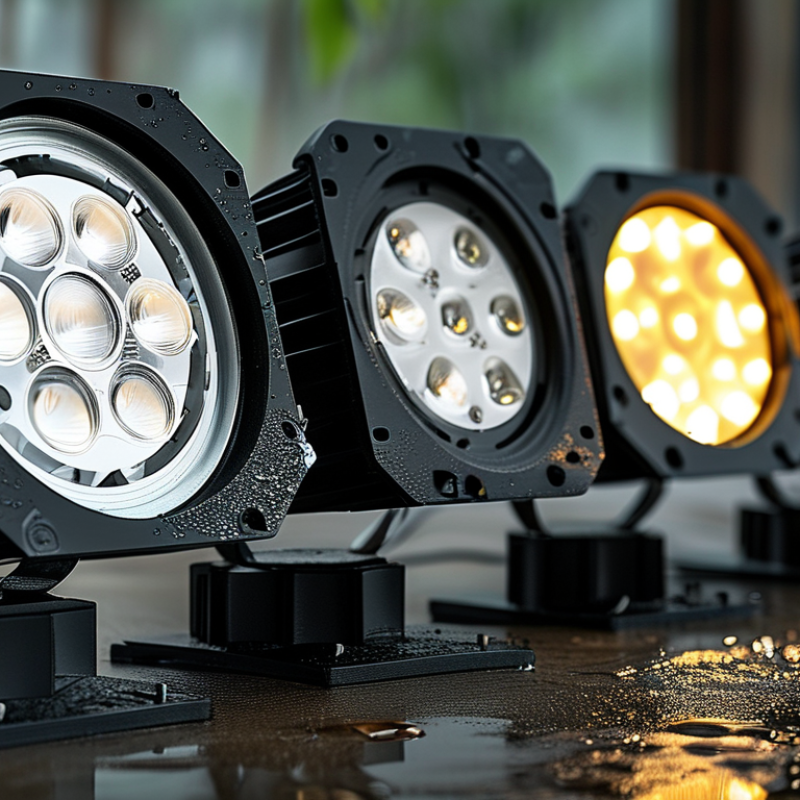
Factors to Consider When Choosing LED Tri-Proof Lights
When selecting LED tri-proof lights, it's essential to consider several factors to ensure you make a well-informed choice. One of the main factors is the brightness. Measure the intensity needed for your space. Too bright can create glare, while too dim may not provide sufficient visibility. Evaluate your environment’s requirements thoughtfully.
Another vital aspect is durability. Look for lights with a robust design to withstand harsh conditions. Tri-proof lights often endure moisture, dust, and impacts. Checking the IP rating can be helpful here. Higher ratings indicate better protection against environmental factors.
Tips: Check installation options before purchasing. Ensure that your chosen lights will fit well in your designated areas. Verify the power source compatibility as well.
Wattage affects energy consumption and lifespan. Higher wattage typically means brighter light, but it can also lead to increased energy bills. Consider LEDs with energy-saving features. Such options can reduce long-term costs while maintaining effective lighting.
Examine the warranty and customer service support. Reliable brands often offer warranties that reflect their confidence in product durability. Don’t hesitate to reach out for assistance if you have questions during your selection process. This helps in making a confident investment.
Understanding Different Types of LED Tri-Proof Lights Available
When choosing the right LED tri-proof light, understanding the different types available is essential. LED tri-proof lights are designed to withstand harsh conditions. They are protected against water, dust, and impact. This makes them ideal for areas like warehouses, tunnels, and outdoor settings.
There are several types of LED tri-proof lights. Some models offer adjustable brightness, which is useful for varying conditions. Others come with motion sensors, ensuring they turn on only when needed. It's worth considering your specific needs. For example, a high lumen output may be necessary for large spaces, while lower lumens might suffice for smaller areas.
Don't forget to check the IP rating. This rating indicates how well the light can resist water and dust. Higher ratings are beneficial for outdoor environments. Pay attention to the installation method as well. Some lights are easier to install than others, which can save time and effort.
Choosing the right type is not always straightforward. It requires careful thought and sometimes trial and error.
Key Features to Look for in LED Tri-Proof Lights
When selecting an LED tri-proof light, certain key features can greatly impact your choice. Durability is crucial. These lights are designed for tough environments. Look for options with a strong housing, often made from polycarbonate or aluminum. This ensures resistance to water, dust, and chemicals.
Additionally, consider the brightness and color temperature. A light with higher lumens provides better illumination. For tasks requiring attention to detail, a cooler color temperature can enhance visibility. Think about where you will install the lights. Indoor areas might benefit from warmer tones, while outdoor settings can thrive under bright daylight-like illumination.
Tips: Check the IP rating. A rating of IP65 or higher is ideal for moisture-prone areas. Warranty periods are also significant. Longer warranties often indicate better quality. While aesthetics might not be your main focus, find a design that blends well with your surroundings. Reflect on your specific needs. Not every high-lumen light is necessary. Match the light's features to your actual use cases for optimal value.
How to Choose the Best LED Tri-Proof Light for Your Needs? - Key Features to Look for in LED Tri-Proof Lights
| Feature | Description | Importance | Recommended Specification |
| Lumens Output | The total amount of visible light emitted by the fixture. | High brightness is essential for adequate illumination in commercial or industrial settings. | Minimum 100 lumens per watt. |
| IP Rating | Indicates the level of protection against dust and moisture. | Important for installation in wet or dusty environments. | IP65 or higher. |
| Material Quality | Construction material affects durability and longevity. | Higher quality materials will withstand harsher conditions. | Aluminum or impact-resistant polycarbonate. |
| Energy Efficiency | Ratio of output lumens to input wattage. | Lower energy costs and environmental impact. | At least 120 lumens per watt. |
| Color Temperature | Measured in Kelvin (K), indicates the color appearance of light. | Different environments may require different color temperatures. | 4000K to 5000K for workspace illumination. |
| Dimmability | Ability to adjust brightness levels. | Provides flexibility for different lighting needs throughout the day. | Look for fixtures with integrated dimming options. |
Comparing Efficiency and Lifespan of LED Tri-Proof Lights
When selecting LED tri-proof lights, efficiency and lifespan are crucial factors. Industry reports indicate that high-quality LED lights can achieve an efficacy of up to 150 lumens per watt. This efficiency translates to brighter illumination while consuming less energy. In contrast, traditional lighting sources offer lower efficacy, which ultimately increases energy costs.
Lifespan is another key aspect to consider. Many LED tri-proof lights boast a lifespan of 50,000 hours or more. This far exceeds traditional fluorescent or incandescent options, which often last for only 10,000 hours. This longevity means fewer replacements and lower maintenance costs over time. However, not all LED products are created equal. Some may degrade over time, reducing their effectiveness and brightness.
Tips: Always check the lumens per watt rating for guidance on efficiency. Focus on products with a longer warranty period, which often indicates higher quality. Consult with experts or reliable sources to ensure you're making an informed decision. Remember, while the initial price may be higher, the long-term savings in energy and maintenance can be significant. It's also worth considering the light quality and color temperature for the best results in your specific environment.
Efficiency and Lifespan Comparison of LED Tri-Proof Lights
This chart compares the efficiency measured in lumens per watt (Lm/W) and the lifespan measured in hours of different types of LED tri-proof lights. High-efficiency LEDs tend to provide more light for less energy, while long-lifespan options require less frequent replacements.
Installation and Maintenance Tips for LED Tri-Proof Lights
When installing LED tri-proof lights, proper mounting and positioning are crucial. Ensuring the fixtures are level can prevent water pooling and damage. The ideal height for installation is about 3 to 4 meters for optimal light distribution. A recent industry report indicates that light distribution can be affected by improper mounting angles, leading to reduced effectiveness by up to 30%.
Regular maintenance is essential for longevity. Dust and debris can accumulate on the fixtures, diminishing light output. Cleaning the fixtures every six months can help maintain brightness. Additionally, checking the seals and gaskets regularly prevents moisture ingress, which can shorten the lifespan of the lights. Experts recommend replacing seals every two years, as wear and tear can lead to significant failures.
While LED tri-proof lights are robust, relying solely on their durability isn't wise. Environmental factors, such as extreme temperatures, can affect their performance. A study highlighted that up to 15% of failures in LED lights are attributed to heat-related issues. Therefore, consider the operating conditions carefully and prepare for necessary adjustments. While LED technology is reliable, it's essential to stay proactive in ensuring optimal performance.