How to Choose the Best Recessed Light for Your Space?
Recessed Lighting has become a popular choice for modern spaces, enhancing both aesthetics and functionality. According to a recent industry report, the global recessed lighting market is expected to reach $10 billion by 2027, driven by growing consumer demand for energy-efficient solutions and innovative designs. This trend indicates that home and business owners acknowledge the value of well-placed recessed lights in creating ambient environments.
Choosing the best recessed light involves more than just selecting a bulb style. Consideration of factors like color temperature, beam angle, and installation location is crucial. Studies show that 75% of people prefer warm white lighting for cozy settings, while cooler tones are more suitable for workspaces. These preferences illustrate the importance of tailoring lighting to the specific function of each space.
However, not all recessed lights are created equal. Many consumers overlook specifications, leading to dissatisfaction. It's essential to balance style and practicality, especially with varying ceiling heights and designs. Assessing your needs can prevent costly mistakes. With thoughtful selection, recessed lights can significantly elevate your space while providing lasting value.
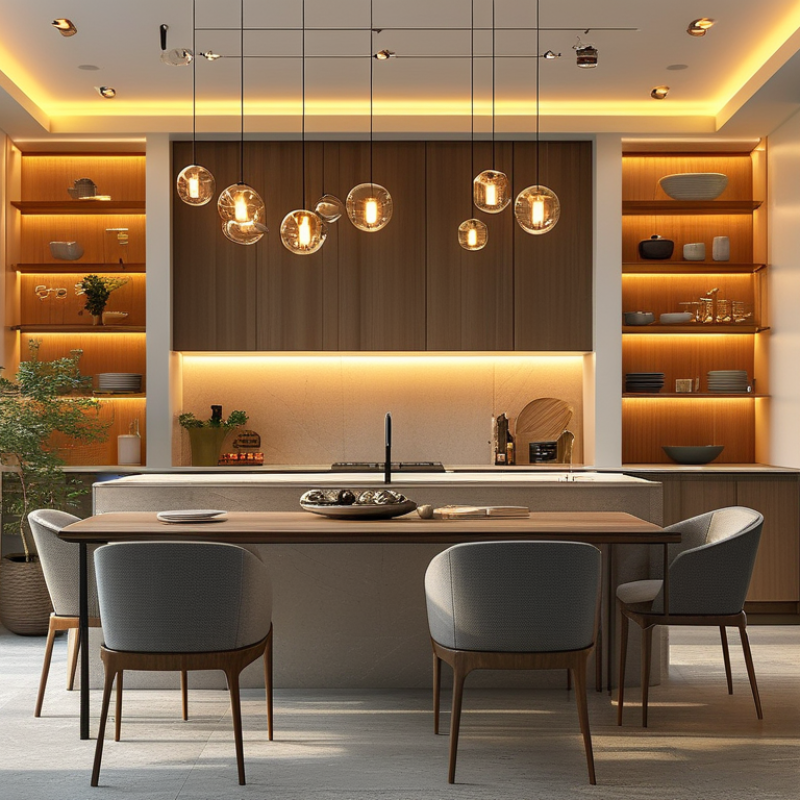
Types of Recessed Lights: Understanding Your Options
When selecting recessed lights, understanding the different types available is crucial. There are mainly three types: remodel, new construction, and housings designed for specific functions. Remodel lights are perfect for existing ceilings, while new construction lights are ideal for unfinished spaces. Specialized housings can accommodate various needs, such as wet or damp locations, ensuring safety and efficiency.
Consider the light source options as well. LED recessed lights are energy-efficient and can last up to 25,000 hours, significantly reducing replacement frequency. Estimates suggest that switching to LED can save about 75% on energy costs compared to traditional incandescent bulbs. However, improper installation can lead to inefficiencies and safety hazards, making it essential to follow guidelines.
When choosing the right recessed light, pay attention to the beam angle. A wide beam angle can create ambient lighting, while a narrow beam highlights specific areas. Testing different options in your space can help you visualize their impacts. Reflect on the overall design and adjust based on what suits your environment best. Choosing the right light isn't just about brightness; it's about creating a balanced atmosphere that complements the room's purpose.
Key Factors to Consider When Selecting Recessed Lighting
When selecting recessed lighting, understanding your space is crucial. Measure the height of your ceilings and the size of your rooms. High ceilings may require more powerful fixtures. Consider the purpose of your lighting. Are you illuminating a cozy reading nook or brightening a kitchen? This will affect the type of bulb and brightness level you choose. Warm tones are inviting, while cooler tones can enhance productivity.
The style of your home also plays a significant role. Modern designs may benefit from sleek, minimalist fixtures, while traditional spaces might call for something more decorative. Think about the beam angle too. A narrow beam is great for highlighting artwork, while a wider beam covers larger areas effectively. Balance is key; too many can make a room feel cramped, while too few can leave dark corners.
Don't forget energy efficiency. LED options can save on electricity bills and last longer. Choose dimmable options for flexibility in lighting. However, installing recessed lights can be tricky. It's essential to reflect on whether you have the skills for installation or if you should hire an expert. Evaluating these factors can lead to better decisions and a well-lit home.
Determining the Right Size and Spacing for Your Needs
Choosing the right size and spacing for recessed lighting involves several considerations. Industry standards suggest maintaining a spacing of 6 to 8 feet between fixtures for optimal brightness. This distance ensures even light distribution, reducing shadows and glares. For rooms with higher ceilings, adjust this spacing to about 10 to 12 feet.
The size of the recessed lights also plays a crucial role. Common sizes range from 4 to 6 inches in diameter. A report from the American Institute of Architects states that larger fixtures can enhance perception of space in big rooms. However, smaller lights are ideal for more intimate settings.
Evaluating your room’s layout can reveal potential pitfalls. Areas with heavy furniture or dark colors may absorb light, necessitating more fixtures. Take time to assess how light interacts with your space. It’s also essential to consider the light’s purpose. Task lighting may require more focused brightness, while ambient lighting can be softer and more diffused.
Choosing the Right Wattage and Brightness for Your Space
Choosing the right wattage and brightness for recessed lighting is crucial for creating the perfect ambiance. Begin by assessing the specific needs of your space. Different areas require different lighting levels. For instance, kitchens usually function better with brighter lighting, whereas bedrooms might benefit from softer tones.
In rooms with minimal natural light, brighter bulbs (above 800 lumens) can bring life to the space. Use warmer colors (2700K to 3000K) for a cozy feel. Consider the height of your ceiling as well; higher ceilings may need more wattage to ensure adequate brightness and reduce shadows.
While you want to achieve the desired look, think about energy efficiency. LED lights can provide the same brightness as traditional bulbs while using less wattage. However, they may have a higher upfront cost. It's a trade-off; weigh immediate costs against long-term savings.
Experimenting with various wattages can yield surprising results. You may find that a lower wattage creates a more inviting atmosphere. Always test different options and adjust according to your needs. Re-evaluate your choices as tastes change over time.
Installation Tips and Best Practices for Recessed Lighting
When installing recessed lighting, proper placement is crucial. Aim for spacing that is approximately 4 to 6 feet apart. This distance creates a balanced illumination without overwhelming any single area. Experts recommend staggering the lights to avoid uniform patterns. A study by the American Lighting Association indicates that well-placed recessed lights improve room ambience significantly.
Consider ceiling height and room function when determining the type of bulbs. For example, use warmer tones in living areas to create a cozy feel. In contrast, cooler colors work well in kitchens and workspaces. According to the U.S. Department of Energy, LED bulbs can reduce energy costs by nearly 75%. They also have a longer lifespan, which means less frequent replacements.
Review the installation process to ensure safety and efficiency. Making a mistake with wiring can lead to hazards. Check local codes to confirm compliance, and always turn off the power before starting. Many homeowners overlook these details, leading to frustration and safety concerns. Leaving room for error helps in learning from the process while ensuring that the finished product meets your needs.