
Choosing the best Smart Switch for global buyers requires more than comparing prices, apps, and attractive product photos. A switch that works perfectly in one country may fail elsewhere. Voltage, frequency, wall-box depth, neutral-wire requirements, and regional certifications can change the buying decision. Measure twice.
Simon Buddle, a KNX-certified smart-home consultant, offers a useful principle: “Technology should serve the home, not dictate it.” That idea matters when evaluating Smart Switch options across different markets. Buyers should check whether the switch supports their local electrical system before installation. They should also confirm compatibility with existing bulbs, especially low-wattage LEDs that may flicker. Not always obvious.
Connectivity deserves equal attention. Wi-Fi models can install quickly, but they may depend heavily on cloud services and router stability. Zigbee, Z-Wave, and Matter products can offer broader ecosystem flexibility, although hubs and setup skills may be necessary. Look beyond the box. Review supported platforms, firmware-update policies, privacy controls, and after-sales support in your region. A product may advertise “global compatibility” while offering limited language support or unavailable replacement parts.
Reliable selection also comes from real use. Check whether the physical button feels firm, the indicator light is visible at night, and the app responds in a crowded network. A neat specification sheet can still mislead. Some buyers may prefer advanced automation, while others need dependable manual control during an internet outage. There is no perfect checklist. However, careful comparison can reduce installation risks, unexpected costs, and disappointing performance for homes, hotels, offices, and international projects.
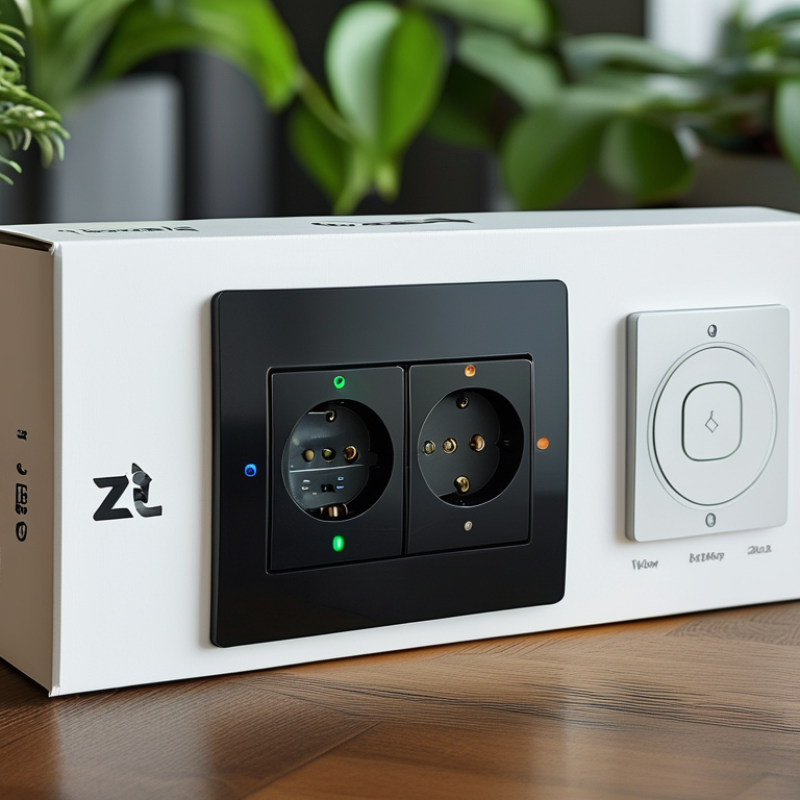
How to Choose the Best Smart Switch for Global Buyers?
Smart switch basics begin with three common connection types: Wi-Fi, mesh-based wireless systems, and wired control systems. Wi-Fi models suit apartments with strong internet coverage. Mesh systems can improve reliability across larger homes. Wired switches remain valuable where stable local control matters. Always check voltage, frequency, maximum load, and neutral-wire requirements. These details vary across regions. A switch designed for one electrical system may not fit another safely.
Useful features include scheduling, energy monitoring, dimming, scene control, and physical buttons. Local operation is important when internet service fails. Security also matters, so buyers should look for encrypted communication, regular firmware updates, and clear data policies. The International Energy Agency reported that buildings consume about 30% of global final energy, making lighting control a practical efficiency tool. However, a smart switch does not automatically reduce consumption. Poor settings can leave lights running longer. That is an easy mistake.
Global applications extend from bedrooms and kitchens to hotels, offices, and assisted-living facilities. In humid areas, buyers should examine enclosure ratings and installation conditions. For commercial projects, centralized management and maintenance records can matter more than voice control. Industry forecasts from IoT Analytics have continued to show strong growth in connected devices, but adoption does not guarantee quality. I have found that simple controls often receive better daily use than complicated ones. The best choice is rarely the most feature-heavy switch. It is the one that matches local wiring, user habits, and long-term support.
| Smart Switch Type | Typical Voltage and Load | Neutral Wire Requirement | Connectivity | Key Features | Best-Fit Applications | Global Buyer Considerations |
|---|---|---|---|---|---|---|
| Wi-Fi Single-Pole Switch | Commonly 100–240 V AC; often rated up to 10 A for lighting loads | Usually required; no-neutral versions are also available | 2.4 GHz Wi-Fi; some models support dual-band Wi-Fi | Remote control, schedules, timers, voice control, app automation | Apartments, houses, rental upgrades, individual rooms | Check Wi-Fi frequency, local electrical certification, wall-box depth, and regional wiring layout |
| Wi-Fi No-Neutral Switch | Typically 100–240 V AC; load capacity depends on the lighting type and bypass design | Not required at the switch box; may require a bypass component for low-wattage LED lamps | Usually 2.4 GHz Wi-Fi | Useful for older homes, remote access, schedules, and retrofit installations | Existing buildings where the neutral conductor is unavailable | Verify minimum load, LED compatibility, flicker performance, and electrician installation requirements |
| Zigbee Switch | Commonly 100–240 V AC; many lighting models support loads up to approximately 10 A | Available in both neutral and no-neutral designs | Zigbee mesh network; requires a compatible hub or gateway | Low power consumption, mesh reliability, local automation, fast response | Whole-home systems, multi-room lighting, apartments with many devices | Confirm hub compatibility, regional radio regulations, channel availability, and mesh range |
| Thread or Matter Switch | Often 100–240 V AC; load ratings vary by model and local electrical design | Most mains-powered models require neutral; no-neutral options are product-specific | Thread mesh, Matter over Thread, or Matter over Wi-Fi | Multi-platform interoperability, local control, secure commissioning, simplified ecosystem selection | New smart homes, mixed-device households, users seeking long-term compatibility | Check whether a border router or controller is needed and confirm supported Matter features |
| Bluetooth Mesh Switch | Commonly 100–240 V AC; load rating is generally intended for lighting circuits | Depends on the design; neutral and no-neutral models are available | Bluetooth Low Energy mesh; gateway may be needed for remote access | Low energy use, local operation, simple commissioning, scalable room-to-room control | Small homes, room-level lighting, low-power smart control projects | Evaluate gateway availability, phone compatibility, mesh range, and cloud dependency |
| Smart Dimmer Switch | Typically 100–240 V AC; dimming capacity is often lower than the on/off relay rating | Neutral may be required; some models support no-neutral installation | Wi-Fi, Zigbee, Thread, Bluetooth Mesh, or another supported protocol | Brightness adjustment, scenes, soft start, schedules, energy-saving lighting control | Bedrooms, living rooms, hospitality spaces, offices, restaurants | Confirm trailing-edge or leading-edge compatibility, minimum load, LED driver quality, and flicker control |
| Smart Two-Way or Multi-Way Switch | Usually 100–240 V AC; load rating is commonly around 5–10 A for lighting | Varies by wiring topology and product design | Wi-Fi, Zigbee, Thread, or wired auxiliary-switch connection | Control from two or more locations, scene integration, remote switching | Stairways, hallways, bedrooms, corridors, and large rooms | Check traveler-wire requirements, compatibility with existing switches, and installation diagrams |
| Smart Relay Module | Input often supports 100–240 V AC; relay output may be rated up to 10–16 A, depending on load type | Neutral is commonly required, although no-neutral versions exist | Wi-Fi, Zigbee, Z-Wave, Thread, or another control protocol | Retrofit installation, dry-contact options, pulse control, appliance automation | Garage doors, boilers, fans, pumps, gates, blinds, and concealed installations | Separate motor, resistive, and inductive load ratings; verify enclosure space and heat dissipation |
| Outdoor or Weather-Resistant Smart Switch | Commonly 100–240 V AC; load rating depends on lighting, motor, or garden equipment use | Usually required for mains-powered outdoor products | Wi-Fi, Zigbee, cellular gateway, or another supported wireless connection | Remote operation, schedules, weather-resistant enclosure, automation with sensors | Garden lighting, exterior lighting, irrigation equipment, gates, and outdoor appliances | Check IP rating, temperature range, moisture protection, earth connection, and local outdoor-installation rules |