
Choosing a Single Vsd Compressor is not simply a matter of selecting the highest motor rating. The right decision begins with your actual air demand, operating schedule, pressure requirements, and installation environment. A 75 kW unit may appear attractive, yet it can waste energy if the plant operates at low demand for most of the day. Watch the pressure gauge during production changes. Listen for frequent loading and unloading. Those details reveal more than a brochure.
Compressed-air auditor Ron Marshall, known for his work in system efficiency, has said, “You cannot improve what you do not measure.” His principle applies directly to variable-speed-drive compressor selection. Before comparing models, record flow, pressure, running hours, leakage, and seasonal demand. A data logger can expose short demand spikes that operators often miss. It can also show whether a smaller base-load compressor would work better beside the VSD unit.
There is no perfect choice.
A reliable Single Vsd Compressor should match real demand without operating continuously at its limits. Consider motor efficiency, turndown performance, control response, oil separation, cooling conditions, maintenance access, and service support. Check the compressor’s performance at your required pressure, not only its advertised maximum output. A lower purchase price may become expensive through electricity, filters, downtime, and poor control settings.
This guide explains how to compare these factors with practical judgment. Some recommendations may need adjustment. Every factory has different leaks, shifts, pipework, and production habits. That is the part many buying guides overlook. A careful selection process protects capacity, operating costs, and long-term reliability.
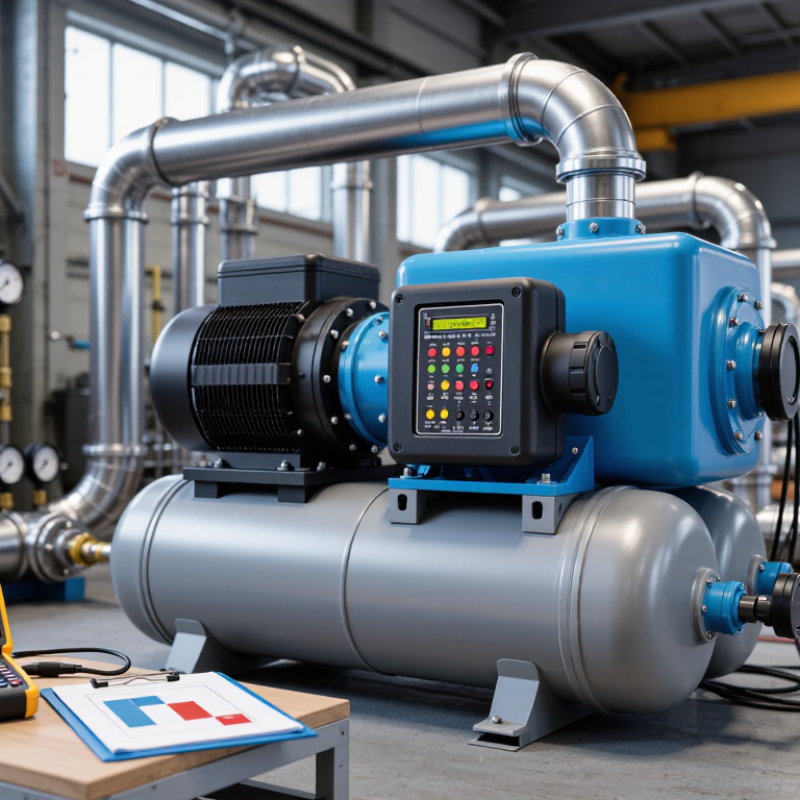
How to Choose a Single VSD Compressor?
Understanding What a Single VSD Compressor Is
A single VSD compressor uses one compressor unit with a variable speed drive. The drive adjusts motor speed as compressed-air demand changes. Unlike a fixed-speed model, it does not always run at full speed. This can reduce wasted energy during lighter production periods. The compressor still needs careful sizing. Oversizing may cause unstable operation and unnecessary costs.
Before choosing one, measure your actual air demand across a normal workday. Record peak flow, average flow, working pressure, and leakage. A workshop using 6 bar may need a different setting than a plant requiring 8 bar. Check the receiver size, inlet-air temperature, duty cycle, and available electrical supply. These details affect performance more than a catalogue rating. A single unit also creates one main point of failure. That limitation deserves honest consideration.
Tips: Compare measured demand with the compressor’s operating range, not only its maximum output. Ask for efficiency data at your usual pressure and flow. Inspect the service area, filters, cooling path, and controller access. A clear maintenance plan improves reliability. Do not assume VSD always means lower energy use. Poor sizing, frequent starts, or heavy leakage can weaken the benefit. One small oversight can become a daily expense.
| Selection Dimension | What a Single VSD Compressor Means | Typical Data or Range | How to Evaluate It |
|---|---|---|---|
| Basic Configuration | One compressor whose motor speed is adjusted by a variable-speed drive to match compressed-air demand. | One compressor package; speed varies within the manufacturer’s approved operating range. | Choose this arrangement when one machine can cover the required pressure and flow range without compromising standby capacity. |
| Required Pressure | The discharge pressure set point maintained by the compressor control system. | Common industrial ranges are approximately 7–13 bar(g), depending on the application. | Use the lowest pressure that satisfies the equipment at the point of use. Allow for pressure drop in filters, dryers, piping, and hoses. |
| Air Demand Profile | The pattern of compressed-air consumption over a production cycle. | A VSD unit is generally most beneficial where demand changes significantly, such as 40%–80% of rated flow for extended periods. | Review flow data over several days or weeks rather than sizing from the largest connected load alone. |
| Rated Airflow | The usable compressed-air output at a specified pressure and operating condition. | Select a capacity that covers normal peak demand while avoiding long periods at minimum speed or full-load operation. | Compare free air delivery at the required pressure; do not compare motor power alone. |
| Motor Power | The motor rating available to drive the compressor element. | Industrial single VSD compressors commonly range from approximately 5.5 kW to more than 250 kW. | Confirm that the motor, drive, and compressor element are correctly matched at the selected pressure and flow. |
| Energy Efficiency | The ability to reduce motor speed and power consumption when air demand falls. | Potential savings depend on the load profile, pressure setting, control range, leakage, and operating hours. | Request specific power data in kW per m³/min or kW per 100 cfm at multiple load points, not only at full load. |
| Control Range | The operating range over which the VSD can regulate output while remaining stable and efficient. | The effective turndown range varies by compressor design; many systems operate across a broad partial-load range but have a stated minimum speed. | Check the manufacturer’s minimum and maximum flow, minimum speed, and unload or stop strategy. |
| Start/Stop Frequency | The number of motor starts and stops permitted during normal operation. | A VSD typically reduces abrupt starts by ramping motor speed, but the permitted cycling frequency remains equipment-specific. | Verify restart limits, minimum run times, and automatic shutdown settings before applying highly intermittent demand. |
| Air Quality | The cleanliness and moisture level required by the production process. | Oil-injected and oil-free compressor designs provide different air-quality characteristics; dryers and filtration may still be required. | Specify the required air-quality class, dew point, and allowable oil or particle concentration before selecting the compressor. |
| Electrical Supply | The electrical input required by the motor and variable-speed drive. | Common supplies include three-phase systems such as 380–415 V at 50 Hz or 440–480 V at 60 Hz. | Confirm voltage, frequency, short-circuit rating, harmonics requirements, disconnects, and available electrical capacity. |
| Installation Environment | The ambient conditions in which the compressor and drive must operate. | Consider ambient temperature, altitude, humidity, dust, ventilation, and indoor or outdoor installation. | Check derating above the specified ambient temperature and provide adequate cooling-air flow for the drive and compressor package. |
| Noise and Footprint | The sound level and floor area required for one complete compressor package. | Packaged industrial units are often specified at approximately 65–85 dB(A), depending on size and enclosure. | Compare sound pressure measurement conditions, service clearances, ventilation space, and access for maintenance. |
| Maintenance Requirements | Routine servicing needed for filters, separators, oil systems, coolers, belts, bearings, and the drive. | Service intervals are commonly based on operating hours and may range from several thousand hours for consumables to longer intervals for major components. | Evaluate total maintenance cost, parts availability, technician access, and the effect of one-machine downtime. |
| Reliability and Redundancy | A single VSD compressor uses one primary machine, so a failure can affect the entire air supply. | There is no built-in compressor redundancy unless a backup unit or emergency connection is provided. | For critical production, include a standby compressor, temporary connection point, receiver capacity, or a documented recovery plan. |
| Receiver Tank Size | The compressed-air storage volume used to stabilize pressure and handle short demand peaks. | Sizing depends on demand fluctuation, allowable pressure variation, compressor response, and local regulations. | Use a receiver to manage short peaks, but do not use excessive storage to compensate for an incorrectly sized compressor. |
| Monitoring and Connectivity | Sensors and controls that track pressure, temperature, power, running hours, alarms, and service status. | Useful data includes actual flow, pressure trend, specific power, load percentage, and fault history. | Select a system with communication options compatible with the site’s monitoring or industrial control network. |