How to Choose Tungsten Ball Bearings for Your Business Needs?
Choosing the right tungsten ball bearings for your business requires careful consideration. Tungsten ball bearings are known for their exceptional strength and durability. According to the latest industry reports, the demand for precision-engineered components has surged by over 30% in the past five years. This growth is driven by advancements in technology and manufacturing processes.
When selecting tungsten ball bearings, it is crucial to evaluate their specific applications. They are utilized in various sectors, including aerospace, automotive, and medical devices. Each industry has unique requirements that may affect the performance of tungsten ball bearings. Reliability is key, as failures can lead to costly downtimes and safety hazards.
Gathering data from reputable sources can enhance decision-making. However, it is important to critically assess the data. Some reports may focus on ideal scenarios, overlooking real-world challenges. A close look at feedback from industry professionals can provide valuable insights. Understanding the nuances of your business needs will ultimately determine the right choice of tungsten ball bearings.
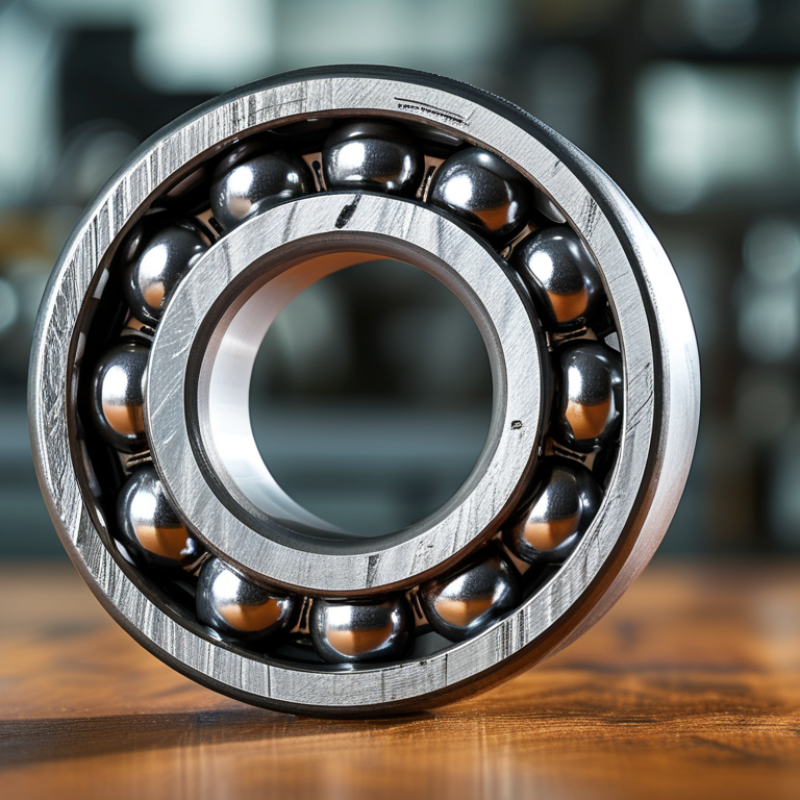
Understanding Tungsten Ball Bearings and Their Applications
Tungsten ball bearings are increasingly popular in various industries. Their high density and durability make them an excellent choice for applications requiring precision and resistance to wear. These bearings excel in environments where metal fatigue and corrosion are common concerns. They are used in aerospace, automotive, and manufacturing sectors, where reliability is vital.
Understanding the applications of tungsten ball bearings is essential for making informed choices. In high-performance engines, these bearings can reduce friction, leading to improved efficiency. However, not all applications will benefit equally. Businesses must carefully evaluate their specific needs. For instance, while tungsten bearings offer advantages in high-load conditions, their cost may be a consideration for smaller operations. Balancing benefits with budget constraints is crucial for effective procurement.
When selecting tungsten ball bearings, consider factors like load capacity and temperature tolerance. Each application has unique requirements. It's important to conduct trials to see if they meet expectations. Some users find themselves disappointed when assumptions about performance do not align with reality. Testing in real-world conditions can reveal limitations, helping to guide future decisions. Keep an open mind and be ready to learn from experience.
Key Factors to Consider When Selecting Tungsten Ball Bearings
When selecting tungsten ball bearings for business needs, consider several key factors. Start with size and weight specifications. Choose the diameter that matches your application requirements. Keep in mind, a heavier bearing may offer greater durability but can also affect performance in high-speed applications. Balance is crucial.
Material quality is another important aspect. Tungsten provides exceptional strength and wear resistance. However, not all tungsten is equal. Ensure the source is reliable. Look for certifications that demonstrate compliance with industry standards. This can help avoid low-quality products that may fail unexpectedly.
Finally, pay attention to cost versus value. While cheaper options may seem appealing, they can lead to higher long-term expenses due to replacement and maintenance. It’s essential to evaluate the total cost of ownership. In some cases, investing more upfront saves money later. Reflect on your specific needs and consult with experts when uncertain about your choices.
Evaluating Quality and Performance Metrics for Bearings
When selecting tungsten ball bearings, it's essential to focus on quality and performance metrics. Start by analyzing the bearing’s material composition. Tungsten's density and hardness contribute to its durability. Check for certifications that ensure the material meets industry standards. Quality assurance processes can reveal the reliability of the bearings over time.
Performance metrics are equally crucial. Look for data on load capacity and speed ratings. These factors determine how well a bearing will perform under specific conditions. Vibration and noise levels are often overlooked but can impact machinery performance. Consider testing methods that measure these aspects. Real-world applications can paint a clearer picture of the bearings' effectiveness in your operations.
Performance must be balanced against cost. Sometimes, a higher-priced bearing offers significantly better performance, reducing long-term costs. Evaluate your needs carefully. Not every application requires the highest grade of bearings. Prioritizing the right features based on use case can be challenging but essential for optimal outcomes. Recognize that no single bearing fits all scenarios. Adapting your choices based on empirical evidence and field testing will lead to better decisions in the long run.
Cost Analysis: Weighing Budget Against Quality in Bearings
Choosing the right tungsten ball bearings for your business involves critical considerations. A primary concern is balancing cost and quality. High-quality bearings often come with a higher price tag. However, investing in reliable bearings can prevent costly breakdowns. This investment yields long-term benefits. This trade-off is essential for efficiency.
Evaluate your budget carefully. Understand that cheaper options might not provide the same performance. Subpar bearings can lead to early failures. The cost of replacing faulty bearings can quickly add up. It’s often wise to consider long-term value over initial savings. Quality bearings minimize disruptions in operations, ensuring consistent productivity.
Deciding which bearings to use means weighing pros and cons. Consider factors such as load capacity and precision. Sometimes, companies may compromise on quality to save money. This approach might seem reasonable initially but can be detrimental later. Reflect on your needs and how each option aligns with your operational goals. Investing in quality may enhance your overall business performance.
Supplier Selection: Finding Reliable Sources for Tungsten Bearings
When selecting tungsten ball bearing suppliers, reliability is key. Start by assessing potential suppliers based on their industry reputation. Look for businesses that have consistently delivered high-quality products. Reviews and testimonials from previous customers can provide valuable insights into their reliability. A transparent communication style is another hallmark of a trustworthy supplier.
Next, consider the supplier's technical expertise. It’s crucial that they have a deep understanding of tungsten properties and applications. This knowledge ensures they can provide recommendations tailored to your specific needs. Engaging with their technical support team can help gauge their expertise. A responsive team reflects a commitment to customer service, ensuring you receive timely guidance and support.
Lastly, evaluate their quality control measures. Suppliers should adhere to rigorous testing standards to guarantee the durability and performance of their tungsten bearings. Certifications can indicate a commitment to quality. Regular audits and inspections lead to a more reliable supply chain. Navigating this selection process can be challenging, and it’s essential to reflect on past experiences to inform future decisions.