Why Choose Tungsten Carbide Balls for Your Industrial Needs?
Tungsten carbide balls are gaining attention in various industries. Their unique properties make them suitable for demanding applications. These balls are known for their hardness and wear resistance.
In many industrial settings, reliability is crucial. Tungsten carbide balls provide that reliability. Their ability to withstand high pressures and temperatures makes them an ideal choice. Additionally, they can be used in diverse applications, from bearings to valves.
Choosing tungsten carbide balls means investing in quality. However, it's essential to understand that not all products are the same. Some may not meet your specific requirements. It's vital to conduct thorough research before making a decision. Consider the supplier's reputation and product specifications to ensure the best outcomes.
Benefits of Using Tungsten Carbide Balls in Industrial Applications
Tungsten carbide balls have become a popular choice in various industrial applications due to their unique properties. They are incredibly hard, with a high resistance to wear and tear. This makes them ideal for environments that demand reliability and longevity. Industries such as mining, manufacturing, and automotive benefit greatly from using these balls in their processes. Their ability to maintain performance under pressure is a key factor in reducing operational costs.
In addition to durability, tungsten carbide balls offer exceptional precision. They can be manufactured to tight tolerances, making them suitable for applications requiring high accuracy. This quality is particularly important in machining and tooling processes, where even the slightest deviation can lead to significant issues. Still, one must consider the cost aspect. While they are more expensive upfront, the long-term gains in efficiency and reduced downtime often justify the investment.
However, not every application should use tungsten carbide balls. In certain situations, alternative materials may provide a more cost-effective solution. It's vital to analyze specific requirements before making a choice. Understanding the nuances of each material can help to avoid pitfalls. A thorough assessment leads to better decision-making and can enhance overall productivity in industrial environments.
Key Properties of Tungsten Carbide That Enhance Performance
Tungsten carbide is renowned for its exceptional hardness and durability. With a hardness rating close to 9 on the Mohs scale, it significantly outperforms traditional materials. According to industry reports, tungsten carbide balls can withstand extreme temperatures and pressures, making them ideal for various industrial applications.
One key property of tungsten carbide is its high wear resistance. In a study by the International Journal of Materials Engineering, tungsten carbide demonstrated a wear reduction of up to 50% compared to stainless steel when used in ball bearings. This property enhances lifespan and reduces maintenance costs, which is crucial for businesses aiming to improve efficiency.
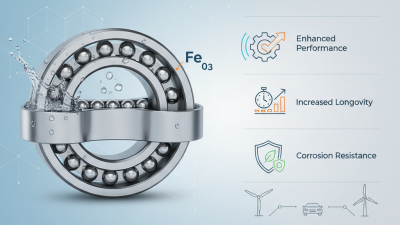
Another advantage is its corrosion resistance. Tungsten carbide balls resist both oxidation and chemical deterioration. This ensures operational reliability in challenging environments, such as high-moisture or acid-rich settings. While tungsten carbide is costly, its long-term performance benefits often outweigh the initial investment. However, some industries may still hesitate due to the upfront costs and require careful evaluation of their applications.
Comparative Analysis: Tungsten Carbide Balls vs. Alternative Materials
Tungsten carbide balls stand out in various industrial applications due to their unique properties. Compared to steel or ceramic alternatives, tungsten carbide offers superior hardness and wear resistance. This durability is essential for industries that require precision and longevity in components. For instance, in mining or manufacturing, these balls maintain their shape under extreme conditions.
When evaluating materials, consider the environment. Steel may rust, while ceramics can shatter under stress. Tungsten carbide, on the other hand, excels in high-pressure situations, maintaining performance where others fail. This reliability can lead to lower long-term costs, even if the initial investment is higher. It's crucial to analyze your specific needs before making a decision.
**Tip:** Regularly assess equipment performance. If wear is noticeable, it may indicate that the material isn't suitable. Consider switching to tungsten carbide for improved efficacy.
**Tip:** Keep an eye on industry trends. Understanding advancements can help you make informed choices and improve overall productivity in your operations.
Applications of Tungsten Carbide Balls Across Various Industries
Tungsten carbide balls are increasingly popular in diverse industrial applications. Their exceptional hardness and wear resistance make them ideal for various sectors. In the automotive industry, these balls are used in bearings and valve seats. Their durability ensures long-lasting performance, reducing the need for frequent replacements.
In the manufacturing sector, tungsten carbide balls find applications in tools and machinery. They enhance precision in processes like drilling and cutting. The high density of these balls contributes to the stability and accuracy of equipment. However, not all applications may benefit equally. Certain environments may exceed their thermal limits, leading to potential failure.
Tungsten carbide balls are also crucial in aerospace applications. Their strength-to-weight ratio is invaluable for components exposed to extreme conditions. They help ensure safety and efficiency in high-stress scenarios. Despite their robustness, it’s essential to evaluate specific environmental factors before implementation. Testing remains vital to confirm their suitability for particular tasks.
Applications of Tungsten Carbide Balls Across Various Industries
Factors to Consider When Selecting Tungsten Carbide Balls for Your Needs
When selecting tungsten carbide balls for industrial applications, several factors come into play. One critical aspect is hardness. Tungsten carbide has a hardness level of around 1500 HV, making it one of the hardest materials available. This property enables carbide balls to withstand significant wear in high-impact environments, extending the lifespan of machinery and tools.
Another factor to consider is density. Tungsten carbide balls typically range between 14.5 to 15.3 g/cm³. This high density contributes to their effectiveness in applications requiring high inertia and momentum. However, the added weight can pose challenges during handling and transportation, which should not be overlooked. Proper precautions are necessary to ensure worker safety when dealing with dense materials.
Finally, examining tolerance and precision is vital. Tungsten carbide balls can achieve tolerances of ±0.0005 inches, making them ideal for applications that demand strict measurements. However, the cost associated with such precision may lead some to reconsider alternatives. It’s essential to weigh the benefits of durability and performance against financial implications, making informed choices for project requirements.