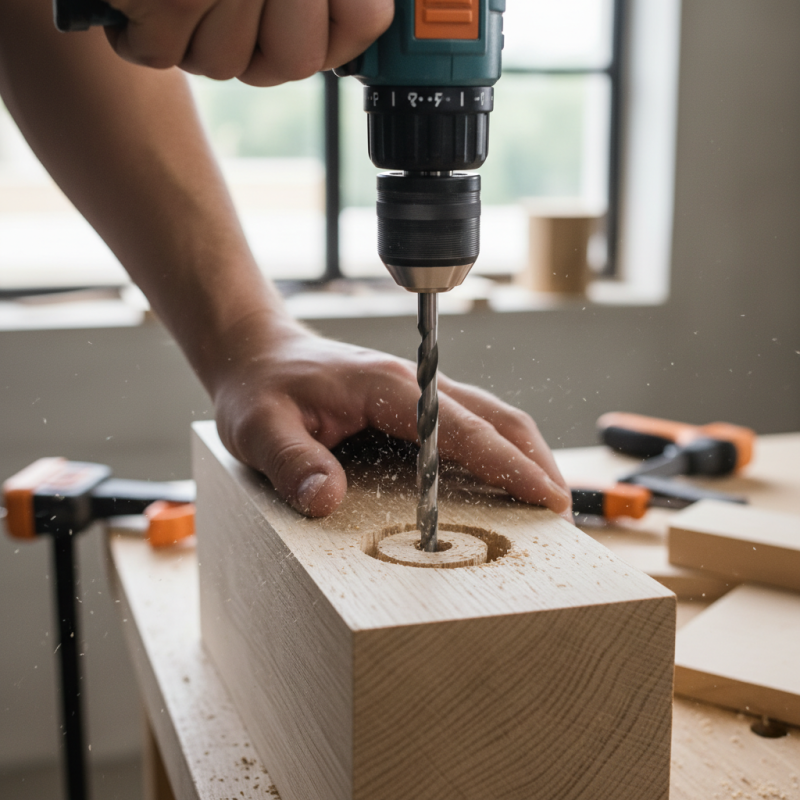
How to Use a Hollow Bit Effectively for Drilling Tasks?
When it comes to drilling tasks, using the right tool is essential. A Hollow Bit stands out due to its unique design. This bit creates clean, precise holes without damaging surrounding materials. Its cylindrical shape allows for efficient drilling, especially in wood and soft metals.
Many users struggle with effective techniques for employing a Hollow Bit. Common mistakes include applying too much pressure or not maintaining a straight angle. Both can lead to uneven holes and wasted materials. It's vital to understand how to handle this bit properly for optimal results.
Working with a Hollow Bit requires practice and patience. While it may seem straightforward, many people overlook minor details. Proper measurements and tool maintenance play a significant role in achieving success. Ultimately, mastering its use can enhance woodworking and crafting projects immensely.
Understanding the Structure and Function of Hollow Bits
Hollow bits are unique tools designed for drilling tasks that require creating clean holes. Their structure allows for efficient material removal. The outer edge features sharp cutting flutes, which easily penetrate various materials. The hollow core collects debris, keeping the drilling area clearer. This design enhances visibility and reduces friction during the drilling process.
Understanding the function of hollow bits is crucial. They excel in creating precise holes for plumbing or electrical access. Users should be aware that while hollow bits are effective, they can also be tricky. A misaligned bit can lead to uneven holes, which may require additional time to correct. It's important to regularly check for wear on the cutting edges. Dull bits can compromise the quality of your work.
The drilling speed is another critical factor. Too fast, and the tool may overheat. Too slow, and the process drags on longer than necessary. Finding the right balance takes practice. Beginners often underestimate how much pressure to apply. This can lead to inconsistent performance. Embracing the learning curve is essential for mastering the use of hollow bits.
Drilling Efficiency of Different Hollow Bits
Selecting the Right Hollow Bit for Your Drilling Needs
When selecting a hollow bit for drilling tasks, consider the material you will be working with. The type of bit can significantly affect the quality of the hole. For instance, a high-speed steel (HSS) bit is ideal for softer materials like wood. However, for harder substances such as metal, carbide-tipped bits are more effective. According to a recent report by the National Tooling and Machining Association, correct bit selection can improve drilling efficiency by over 30%.
Beyond material considerations, the size and design of the hollow bit play crucial roles. A bit with a larger diameter can create bigger holes, but may compromise precision. A small bit may not be suitable for deeper holes, leading to a lack of accuracy. Data indicates that improper sizing can lead to an increase in re-drilling tasks by up to 25%. This inefficiency can frustrate users and extend project timelines.
Moreover, assess your drilling conditions. For example, working with dense materials may require slower speeds. A too-fast speed can generate excessive heat, causing bits to wear prematurely. It’s noteworthy that nearly 40% of drill failures are due to incorrect speed settings. Thus, while choosing a hollow bit, reflect not only on the specifications but also on how your environment might impact performance.
Preparation Steps Before Using a Hollow Bit
Before diving into drilling with a hollow bit, preparation is key. Start by gathering all necessary tools. This includes your hollow bit, drill, and safety gear. Check that the drill bit is compatible with your drill. Measure your material to ensure accuracy. A wrong measurement can ruin your work, so double-check.
Next, mark the drilling spot clearly. Use a pencil or chalk to create a precise guide. This helps avoid wandering during drilling. If working with hard surfaces, consider pre-drilling a small pilot hole. It can simplify the process. Ensure your workspace is clear and organized. Clutter can lead to accidents.
Lastly, protect yourself. Wear safety goggles and gloves to prevent injuries. Test the drill's power with a brief trial run. Ensure you're comfortable with its operation. Drilling isn't just about the tool; it's about the operator too. Each task may reveal areas to improve. A confident approach can lead to better outcomes, but remember that practice might reveal room for growth.
Techniques for Effective Drilling with a Hollow Bit
Using a hollow bit for drilling tasks can be highly effective, but it requires specific techniques for optimal results. When using a hollow bit, ensure the material is secure. According to data from the National Institute of Standards and Technology, improper securing of materials can lead to a 30% increase in drilling errors. Tightening clamps or using a vise can help maintain stability during the process.
Choosing the right speed is crucial. A recent study from the Engineering Toolbox revealed that drilling at the correct RPM significantly reduces drill wear. Slow speeds are best for hard materials, while softer materials allow for faster speeds. Many novice users tend to overlook speed adjustments. This can lead to overheating or blunt edges. Adjusting speed may take some practice, but its impact is undeniable.
Another important aspect is maintaining the hollow bit. Regular cleaning is necessary for efficiency. A dirty bit can create friction and wear, resulting in poor performance. Industry reports suggest that up to 15% of drill failures are due to improper maintenance. Many users underestimate this need. Pay attention to wear signs, as early identification can extend the lifespan of the tool. Remember, effective drilling is a combination of technique and upkeep.
Maintenance Tips for Longevity of Hollow Bits
When using a hollow bit, proper maintenance is key to prolonging its life. Regularly cleaning the bit after each use helps prevent debris buildup. A soft brush or cloth can be effective for this task. Store hollow bits in a dry place to avoid rust. Humidity can quickly ruin your tools.
Tips for maintaining hollow bits: always inspect the cutting edges for signs of wear. If you notice any damage, it's best to sharpen or replace the bit before continuing work. A dull bit requires more force, which can lead to accidents. Lubrication is also essential. Applying a lubricant can reduce friction and heat build-up during drilling.
Keep in mind that overworking a bit will lead to premature failure. If you find yourself pushing harder than usual, it’s time to reassess. You might be chasing the wrong material or using the wrong technique. Stay mindful of how the bit behaves, and adjust your approach as necessary. Remember, a well-maintained hollow bit can perform efficiently and consistently, saving you time and effort in the long run.
How to Use a Hollow Bit Effectively for Drilling Tasks? - Maintenance Tips for Longevity of Hollow Bits
| Aspect | Details |
| Bit Material | Carbide-tipped for hardness and durability |
| Optimal Speed | Low to medium speed (500-1000 RPM) |
| Recommended Lubrication | Use cutting oil to reduce friction |
| Applicable Materials | Wood, plastic, soft metals |
| Maintenance Frequency | After every 10 uses or when dull |
| Storage Tips | Keep in a dry place, use blade protectors |
| Common Issues | Wobbling, overheating, dulling |
| Signs of Wear | Reduced cutting efficiency, burrs on edges |