MON - FRI 8AM - 5PM

China Top Precision Balls Suppliers How to Choose?

Choosing China’s top precision balls suppliers requires more than comparing prices or polished websites. Precision balls serve bearings, valves, aerospace systems, medical instruments, and automation equipment. Each application demands different materials, hardness, roundness, surface finish, and dimensional grades. Grand View Research’s 2024 Ball Bearing Market Analysis identifies industrial automation, electric vehicles, and advanced machinery as major demand drivers. These sectors leave little room for inconsistent batch quality.

A reliable supplier should connect claims with measurable evidence. Request inspection records, material certificates, calibration data, and samples from current production. ISO 3290-1 defines requirements for steel and non-steel balls, including grades, dimensions, and surface characteristics. ASTM F2215 also provides relevant specifications for metallic balls used in precision applications. Ask whether the supplier controls these requirements internally or simply resells imported stock. The difference matters.

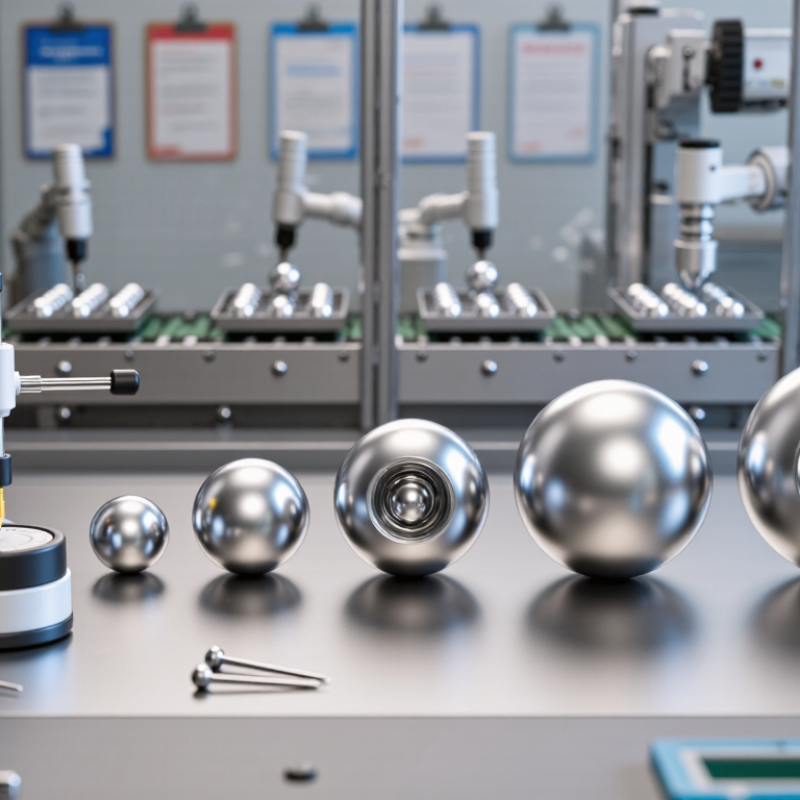
Look closely at the sample. A good ball should show a uniform surface under magnification, without pits, seams, or visible discoloration. Check the supplier’s equipment, including roundness testers, hardness testers, and automated sorting systems. SKF’s Annual Report 2024 and JTEKT’s Integrated Report 2024 both emphasize quality consistency and traceability as critical factors in bearing manufacturing. Their findings reflect practical industry experience, not only marketing language.

Do not trust rankings blindly. “Top” can mean largest, cheapest, or most specialized. Those are different things. A factory with excellent ceramic balls may not understand high-load chrome steel applications. I would compare trial batches, response speed, engineering support, and failure-handling procedures. My own judgment would remain provisional until production data confirms the supplier’s promises. Reliable sourcing is built through evidence, repeatability, and honest technical conversations.
China Top Precision Balls Suppliers How to Choose?

What Are Precision Balls and Where Are They Used?

China Top Precision Balls Suppliers How to Choose?

Precision balls are manufactured spheres with tightly controlled diameter, roundness, surface finish, and material quality. ISO 3290-1 defines grades for steel and ceramic balls, helping engineers compare measurable performance. Common materials include hardened steel, stainless steel, ceramic, and glass. Their differences matter. A ceramic ball may reduce friction, while stainless steel better suits corrosive environments.

These components work inside bearings, precision screws, pumps, valves, measuring instruments, and automated equipment. Grand View Research estimated the global ball-bearing market at about USD 19 billion in 2023, with continued growth expected through 2030. That demand reflects wider use of accurate motion systems. However, market growth does not guarantee consistent ball quality. A bright surface can still hide poor roundness.

When evaluating China-based suppliers, request inspection records for grade accuracy, hardness, roughness, and batch consistency. Ask how measurements are taken, not only whether testing exists. Independent laboratory verification can strengthen reliability. Material certificates and traceability records are also important for critical applications. I have found that sample testing often reveals more than a polished catalogue. Yet one sample is not enough. Repeated batches should be checked under the same load, temperature, and lubrication conditions. Supplier selection should match the actual application, not simply the lowest quotation.
China Top Precision Balls Suppliers: How to Choose?

What Are Precision Balls and Where Are They Used?

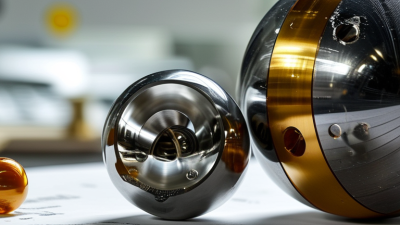
Precision balls are manufactured to tightly controlled diameter, roundness, surface finish, and dimensional tolerances. Material density is one practical factor when choosing a ball: tungsten carbide provides high mass and wear resistance, while silicon nitride and alumina offer lower weight, corrosion resistance, and electrical insulation. Typical applications include bearings, ball screws, valves, pumps, flow meters, aerospace components, medical equipment, and precision instruments.

Representative material density values at room temperature; actual values vary by grade and manufacturing specification.

Which Materials and Grades Should You Compare?

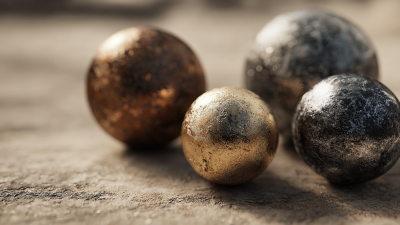
When comparing China’s precision ball suppliers, start with material selection. The wrong alloy may fail before wear becomes visible. Stainless steel suits moisture and moderate corrosion exposure. Carbon steel offers high hardness for protected equipment. Ceramic balls reduce weight, electrical conductivity, and friction. However, they may chip under sudden impact. Plastic balls support quiet, low-load applications, but temperature limits need careful checking.

Grade numbers describe size variation, roundness, and surface quality. A tighter grade can improve spindle accuracy, valve sealing, or measurement repeatability. Yet, the finest grade is not always the best choice. It may increase cost without helping a loose conveyor assembly. Compare diameter tolerance, sphericity, surface roughness, hardness, and operating temperature. Ask for inspection reports, material certificates, and sample measurements. I have seen excellent specifications paired with incomplete load calculations. That deserves further questioning.

Tips: Match the grade to the function, not the catalogue headline. Test samples with the real lubricant, load, speed, and temperature. Check magnetic response when contamination matters. Confirm the exact alloy behind any “stainless” claim. Review batch consistency and protective packaging, too. Scratches can appear during transport. A reliable supplier should explain test methods clearly and answer technical questions without vague promises.

How Can You Evaluate a Precision Ball Supplier?

China Top Precision Balls Suppliers: How to Choose?

How Can You Evaluate a Precision Ball Supplier?

Evaluate the supplier’s process, not only its catalog or website. Ask for material certificates, batch traceability, inspection records, and calibration dates. ISO 3290-1:2014 defines requirements for precision balls, including diameter variation, spherical deviation, and surface quality. A serious supplier should explain these values in plain technical language. Request a recent sample lot, then measure several balls independently. Check diameter, roundness, surface roughness, hardness, and magnetic behavior when relevant. One perfect sample proves little.

The ISO Survey 2022 reported more than 1.2 million ISO 9001 certificates worldwide. Certification helps, but it does not replace product evidence. Review the supplier’s corrective-action records and nonconformance procedure. Ask how they isolate mixed lots or damaged packaging. Production capacity also matters. A supplier may promise tight tolerance, then outsource final inspection during busy periods. That risk deserves a direct question. Do not assume a low price means poor quality, either. The comparison is incomplete without yield, replacement time, and inspection cost.

Tips: Request a blinded sample test. Compare three lots, not one. Confirm inspection equipment against traceable standards. Ask for a signed certificate of conformity. Check whether reported tolerances match ISO terminology. If answers remain vague, pause the purchase. A polished brochure can hide weak process control. No audit catches everything. Reliability grows from repeated evidence, not confident claims.

China Top Precision Balls Suppliers How to Choose? - How Can You Evaluate a Precision Ball Supplier?

Evaluation Dimension What to Check Recommended Benchmark or Requirement Acceptable Evidence Suggested Weight
Material Traceability Material grade, heat or lot number, and origin of raw material Every production lot should be traceable from incoming material to shipment Material certificate, lot records, and documented traceability procedure 15%
Dimensional Accuracy Ball diameter, diameter variation, and measurement method Tolerance must match the drawing or applicable precision-ball grade standard Sample inspection report, calibrated instruments, and dimensional control plan 15%
Sphericity and Surface Finish Roundness, surface roughness, polishing quality, pits, scratches, and seams Values and visual limits should be stated on the specification and verified by inspection Roundness report, roughness data, inspection images, and approved samples 15%
Material and Application Suitability Steel, stainless steel, ceramic, glass, or other material selected for the application Material must satisfy corrosion, wear, temperature, magnetic, and load requirements Material data sheet, chemical composition, hardness data, and application review 12%
Heat Treatment and Hardness Hardness range, heat-treatment process, and consistency between lots Hardness should be within the agreed range and verified using a documented method Hardness test records, process parameters, and lot-based inspection results 10%
Quality Management System Inspection procedures, nonconformance control, corrective actions, and internal audits A documented quality system with controlled records and corrective-action procedures Valid quality certification where applicable, audit records, and inspection procedures 10%
Testing and Inspection Capability Measurement equipment, calibration status, sampling plan, and final inspection Equipment must be suitable for the required tolerance and regularly calibrated Calibration certificates, inspection equipment list, control plan, and test reports 10%
Production Capacity and Lead Time Available equipment, monthly capacity, standard lead time, and peak-season planning Capacity should support the required volume without compromising inspection or consistency Capacity statement, production schedule, historical delivery records, and contingency plan 8%
Packaging and Shipping Protection Corrosion protection, contamination control, labeling, and packaging quantity Packaging should prevent impact, moisture, mixing of lots, and identification errors Packaging specification, sample packaging, labels, and shipping inspection records 3%
Technical Support and Responsiveness Ability to review drawings, recommend materials, answer technical questions, and resolve issues Clear technical communication and documented response process before and after order placement Technical questionnaire, sample evaluation, response records, and corrective-action examples 2%
Total Evaluation Weight 100%
Recommended evaluation method: Request a technical quotation, drawings review, material certificates, sample inspection data, and a pre-production sample before approving a supplier. Final acceptance criteria should always follow the buyer’s drawing, purchase specification, and applicable precision-ball standard.

What Quality Certifications and Testing Standards Matter?

China Top Precision Balls Suppliers: How to Choose?

Choosing a precision ball supplier requires more than comparing prices or polished photographs. Ask for current certificates, material traceability, and complete inspection records. ISO 9001 shows that a quality management system exists, but it does not prove every ball meets your specifications. ISO/IEC 17025 accreditation is valuable when an independent or internal laboratory performs reliable measurements. Check the certificate scope carefully. Scope matters.

Testing should match the ball’s application. Request reports for diameter variation, roundness, sphericity, surface roughness, hardness, and visual defects. For steel balls, material certificates should identify grade, heat treatment, and production batch. ISO 3290 or relevant ASTM methods may provide useful reference points, yet neither standard replaces your drawing requirements. A certificate alone can still mislead. In supplier evaluations, I would compare sample results with calibrated equipment records and retain random samples for verification. This step is sometimes overlooked.

Tips: Ask for a sample inspection report before placing a large order. Confirm measurement uncertainty, equipment calibration dates, and acceptance limits. Request photographs of marked batches and packaging. If a supplier avoids raw data, pause the evaluation. Perfect paperwork is not proof of perfect performance. Practical testing remains necessary.

How Do Pricing, Customization, and Delivery Affect Your Choice?

China Top Precision Balls Suppliers: How to Choose?

Pricing should begin with performance, not the lowest quotation. A supplier should state material grade, diameter tolerance, sphericity, hardness, surface finish, inspection method, and packaging. ISO 3290-1 classifies steel balls through precision grades, including G3, G5, and G1000. A G5 ball may cost more than a G100 ball, but it can reduce vibration and premature wear. Ask for a sample inspection report. Small details matter. However, customization can increase tooling, sorting, and minimum-order costs. Some buyers request special coatings without calculating later maintenance risks. That is a common weakness.

Delivery needs equal attention. UNCTAD’s Review of Maritime Transport 2023 reports that more than 80% of global merchandise trade moves by sea. Port congestion, customs checks, and container shortages can therefore affect production schedules. Request separate lead times for samples, first production, and repeat orders. The 2024 Annual Industry Report from the Material Handling Institute found that 55% of supply-chain professionals expected higher technology investment. This suggests buyers increasingly value digital order tracking and reliable production updates, not attractive promises alone.

Compare suppliers through a weighted scorecard. Give pricing 30%, customization 30%, quality evidence 25%, and delivery reliability 15%. Adjust those weights for urgent equipment repairs. Ask whether tolerance data comes from calibrated equipment and whether rejected lots receive documented analysis. A supplier may answer quickly, yet provide incomplete certificates. That should trigger a second review, not immediate rejection. Request a small trial batch before committing to annual volumes.

Request a Quote

To learn more about any of the products and services provided by Abbott Ball Company, Inc., simply complete the form below.