2025 How to Choose the Best Metal Balls for Your Projects
When embarking on a project that requires precision and durability, the choice of materials plays a critical role in achieving optimal results. Among these materials, metal balls stand out due to their versatility and structural integrity. Whether you are designing a mechanical assembly, crafting a decorative piece, or working on precision instruments, selecting the right metal balls can significantly influence the effectiveness and longevity of your project.
In this article, we will explore the top considerations when choosing metal balls for various applications. From understanding the differences in materials, such as stainless steel, aluminum, and brass, to assessing the suitable sizes and finishes, we aim to equip you with the knowledge to make informed decisions. By outlining the top five factors that impact your selection process, we hope to guide DIY enthusiasts, engineers, and designers alike toward the best options that meet their specific needs. Join us as we delve into the essential characteristics of metal balls and reveal how to choose the best products for your projects in 2025.
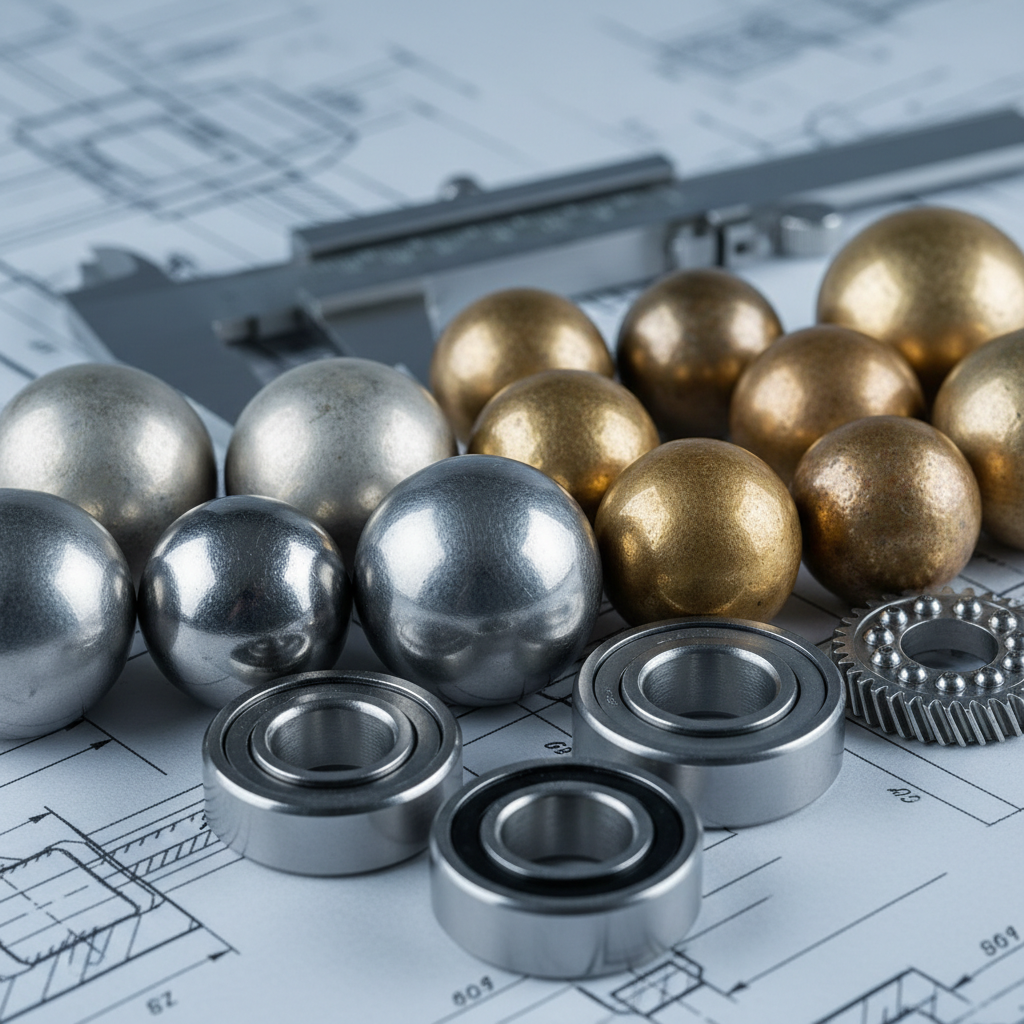
Factors to Consider When Selecting Metal Balls for Various Applications
When selecting metal balls for your projects, there are several critical factors to consider to ensure optimal performance. The application of the metal balls, such as whether they will be used in bearings, additive manufacturing, or chemical reactions, significantly influences the material choice. For example, in applications requiring high durability and resistance to wear, it’s essential to choose alloys that exhibit these characteristics effectively.
Tips: Always evaluate the environmental conditions that the metal balls will be exposed to, including temperature and chemical reactivity. This evaluation will guide you in selecting the most appropriate material. Additionally, consider the precision required in your application; tighter tolerances may necessitate more refined manufacturing processes.
Understanding the properties of different metal powders used in 3D printing can also provide valuable insights. Choose metals that suit your manufacturing method and application, ensuring they can withstand the mechanical and thermal stresses that your projects may present. Calibration of the material selection based on your specific requirements will enhance the reliability and efficiency of your outcomes.
Comparative Analysis of Different Types of Metal Balls Available
When selecting metal balls for your projects, it's essential to understand the characteristics of the various types available on the market. The three primary materials used for metal balls are stainless steel, carbon steel, and aluminum. According to a report by the American Society for Testing and Materials (ASTM), stainless steel balls exhibit superior resistance to corrosion and wear, making them ideal for applications in harsh environments, while carbon steel balls are known for their cost-effectiveness and strength, suitable for high-load conditions. Aluminum balls, though lighter, are often used in applications requiring weight reduction without sacrificing performance.
**Tips:** When choosing metal balls, consider the specific requirements of your project, such as environmental conditions and load capacities. For instance, if you are working in a marine environment, opting for stainless steel balls may be the best choice due to their resistance to saltwater corrosion. Additionally, keep in mind that the surface finish of the balls can affect their performance. High-precision applications might benefit from polished balls, as they reduce friction and improve efficiency.
It's also crucial to conduct a comparative analysis of suppliers, as quality can vary significantly. A survey conducted by the International Bearing Association found that 68% of engineers prioritize supplier reliability over price when sourcing components like metal balls. Investing time in selecting the right supplier can ensure that you receive high-quality products that meet industry standards and your project's specific needs.
2025 Comparative Analysis of Different Types of Metal Balls
Understanding the Importance of Material Properties in Metal Ball Selection

Choosing the right metal balls is crucial for the success of various engineering projects, particularly when considering how material properties impact performance. Different metals exhibit distinct characteristics such as hardness, tensile strength, corrosion resistance, and thermal conductivity. For instance, stainless steel balls are known for their excellent corrosion resistance, with reports indicating a tensile strength exceeding 200,000 psi, making them suitable for applications in harsh environments. In contrast, aluminum balls offer lightweight properties and high corrosion resistance at a lower cost, with tensile strengths around 70,000 psi, which can be advantageous for less demanding applications.
Tips: When selecting metal balls, it’s essential to evaluate the specific requirements of your project. Consider factors such as load-bearing capacity, environmental conditions, and longevity. A thorough examination of industry standards, such as ASTM specifications, can guide you in making informed choices tailored to your project needs.
Understanding the significance of these material features ensures optimal functionality and durability. For example, hard chrome-plated balls provide enhanced wear resistance and surface hardness, making them ideal for applications that experience high friction. According to industry studies, the proper selection of material can extend the lifespan of components by up to 30%, thereby reducing overall costs and downtime in manufacturing processes.
Cost-Effectiveness and Budgeting for Your Metal Ball Projects
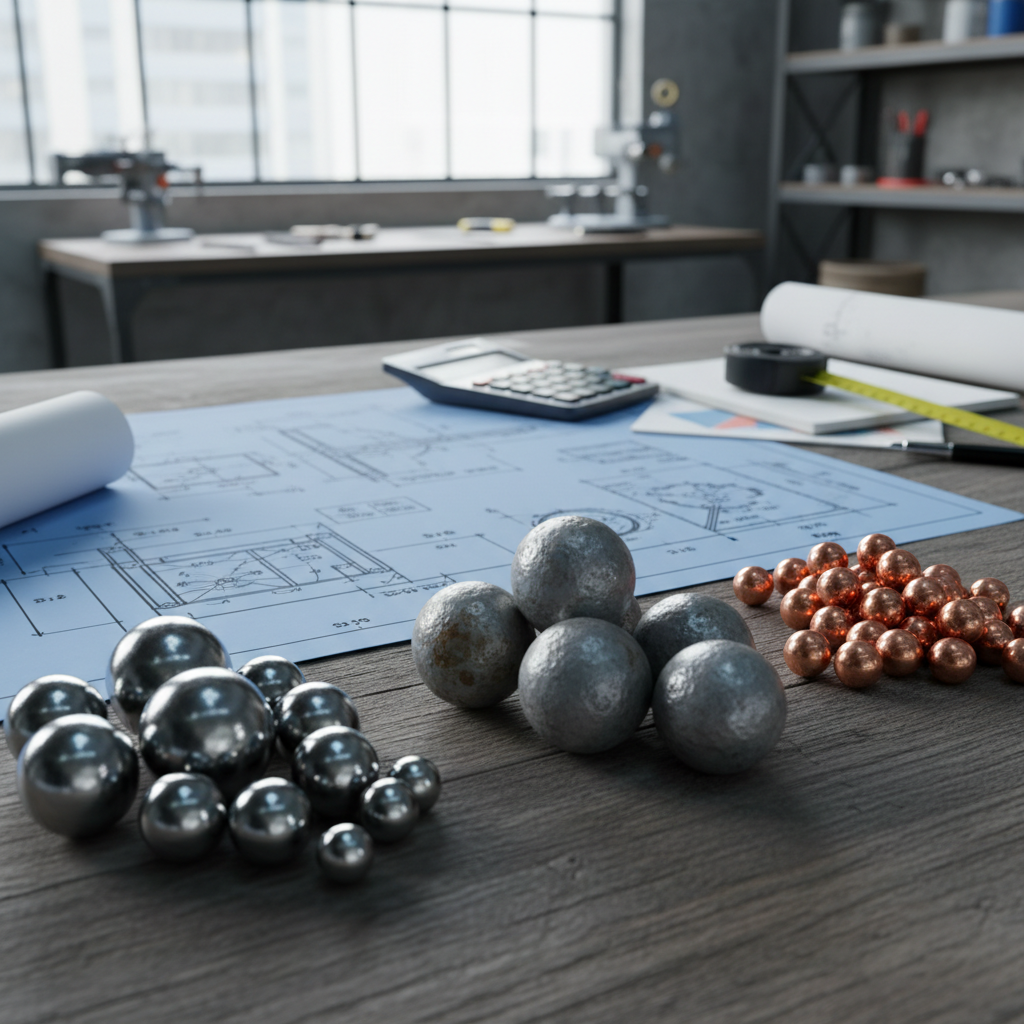
When embarking on projects that require metal balls, cost-effectiveness and budgeting should be at the forefront of your planning. It's essential to analyze the various options available, as the right choice can significantly impact your overall project budget. Start by determining your project's specific requirements, such as size, weight, and material type, to ensure you're focused on the most appropriate solutions for your needs.
Tips: Always compare prices from multiple suppliers to find the best deals. Don't overlook the importance of bulk purchasing; buying in larger quantities can lead to substantial discounts. Additionally, consider the long-term value of products over the initial cost. Sometimes, investing a bit more upfront in higher-quality metal balls can save you money down the line due to reduced maintenance and replacement costs.
Make sure to include all potential expenses in your budget. This means not just the cost of the metal balls themselves, but also any shipping fees, taxes, and additional materials needed for assembly. By taking a holistic view of your budget, you can better prepare for unexpected costs and ensure your project remains financially viable.
Customization Options for Metal Balls: Tailoring to Your Project Needs
When selecting metal balls for your projects, customization options play a crucial role in meeting specific requirements. Metal balls can be tailored in terms of size, weight, material, and finish, allowing you to achieve optimal functionality. For instance, if your project demands precision, opting for stainless steel balls with tight tolerances might be necessary. Similarly, if you're working in a corrosive environment, coated or plated options could enhance durability and longevity.
Furthermore, the ability to customize the surface finish of metal balls can significantly impact performance. A polished finish may reduce friction in high-speed applications, while a rougher texture can increase grip in low-friction scenarios. Additionally, coloring options are available for branding or aesthetic purposes, making it easier to integrate these components seamlessly into your design. By understanding and leveraging these customization choices, you can ensure that the metal balls you select not only fit your project needs but also contribute to its overall success.
2025 How to Choose the Best Metal Balls for Your Projects - Customization Options for Metal Balls: Tailoring to Your Project Needs
| Type of Metal Ball |
Material |
Diameter Range (mm) |
Customization Options |
Common Applications |
| Stainless Steel Balls |
AISI 304/316 |
3 - 100 |
Polishing, Coating |
Bearings, Valves |
| Chrome Steel Balls |
AISI 52100 |
1 - 50 |
Heat Treatment, Precision Grinding |
Automotive, Aerospace |
| Aluminum Balls |
6061-T6 |
10 - 200 |
Anodizing, Machining |
Decoration, Lightweight Structures |
| Plastic Balls |
Polyethylene, PVC |
5 - 150 |
Color Matching, Custom Shapes |
Toys, Floats |