What is a silicone keyboard and how does it benefit you?
A silicone keyboard is a versatile and durable alternative to traditional keyboards. Made from flexible silicone material, it offers unique features that enhance user experience. These keyboards are often waterproof, resistant to dust, and easy to clean, ensuring a hygienic workspace. They provide a comfortable typing experience, especially for those who work long hours.
Using a silicone keyboard can significantly improve productivity. The soft, tactile surface reduces strain on fingers. Many users appreciate the quiet operation of these keyboards, making them ideal for shared spaces. However, the key feel may not satisfy everyone. Some prefer the clicky response of mechanical keyboards. This subjective preference leads to thoughtful consideration of choices.
Despite these drawbacks, silicone keyboards remain popular for their practicality. Businesses and home offices benefit especially from their durability. Users should weigh their typing needs against the characteristics of silicone keyboards. This way, they can make informed decisions to enhance their daily tasks.
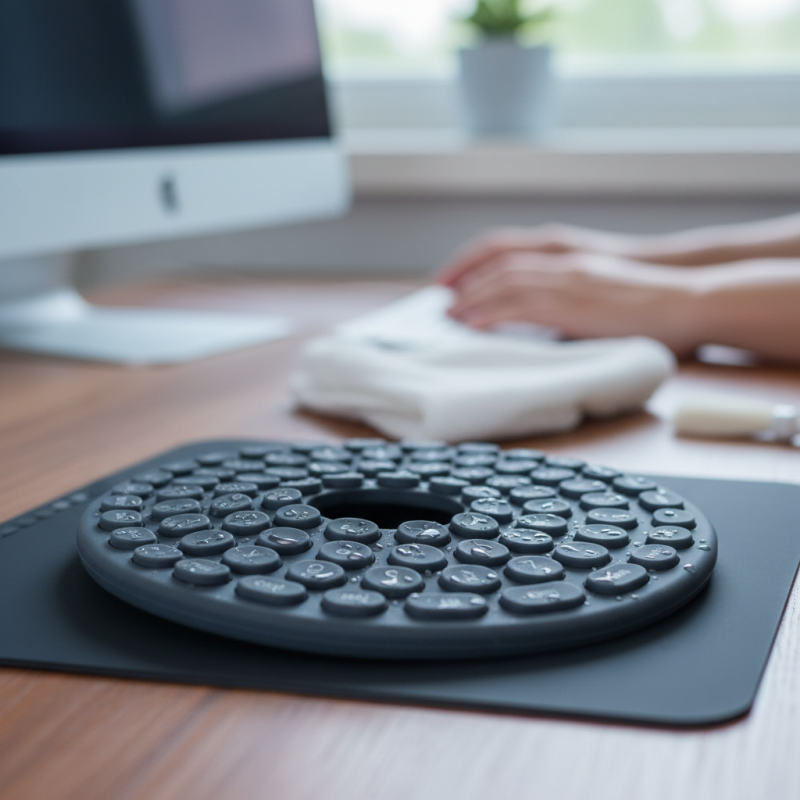
What is a Silicone Keyboard and Its Composition?
A silicone keyboard is a unique type of keyboard made primarily from silicone material. This flexible design allows it to be both lightweight and portable. The composition typically includes silicone rubber and, in some cases, embedded components like LED lights for enhanced functionality. Because of its construction, it is resistant to dust and liquid spills, making it ideal for demanding environments.
One of the key benefits of a silicone keyboard is its cleanability. Users can simply wipe the surface, ensuring that spills or grime do not accumulate. However, some may find that cleaning doesn’t always restore the keyboard to like-new condition. The tactile feedback can also differ from traditional keyboards, which might take time to adapt to. Silicone keyboards are often quieter, which can be a plus for those working in shared spaces. Yet, some users report a less satisfying typing experience, indicating a potential trade-off in comfort.
In addition, silicone keyboards are known for their durability. They can endure heavy use without the risk of key wear. However, the longevity might vary based on usage and sensitivity to extreme temperatures. Understanding these factors is crucial for making an informed choice.
Key Features of Silicone Keyboards Compared to Traditional Keyboards
Silicone keyboards are gaining attention for their unique features and adaptability. Unlike traditional keyboards, silicone models offer a flexible, waterproof surface that protects against spills and dust. According to a market research report from Grand View Research, the global silicone keyboard market is projected to grow significantly, reaching a valuation of approximately $1.5 billion by 2025. This suggests a rising trend in their utility across various sectors.
One key advantage of silicone keyboards is their durability. They can withstand intense use without showing signs of wear. Industry reports indicate that they can last up to five times longer than conventional plastic keyboards. This longevity contributes to lower replacement costs and a smaller environmental footprint.
Moreover, the soft-touch keys of silicone keyboards provide a quieter typing experience, beneficial in shared workspaces. Yet, it is essential to consider that they may not offer the same tactile feedback as traditional keyboards, which some users find less satisfying.
Sanitization is another area where silicone keyboards excel. They can be easily cleaned and disinfected, making them ideal for healthcare environments. A study by the University of Arizona highlighted that traditional keyboards harbor up to 400 times more bacteria than a toilet seat. This raises concerns about hygiene that silicone keyboards effectively address. However, the trade-off includes potential wear on the lettering over time, which could lead to usability issues.
Advantages of Using Silicone Keyboards for Daily Computing Tasks
Silicone keyboards are unique devices made from soft, flexible silicone material. They offer several advantages for daily computing tasks. One notable benefit is their resistance to spills and dust. Unlike traditional keyboards, silicone can be easily cleaned. A quick wipe can keep the keyboard hygienic. This is particularly useful in shared workspaces or homes with children.
Another advantage of silicone keyboards is their durability. They can withstand rough handling and are often more long-lasting. This is important for users who frequently type or travel. The quiet typing experience can also be appealing. This feature allows for focused work without disturbing others around.
While silicone keyboards seem practical, they may not be ideal for everyone. Some users find the feel of silicone less satisfying compared to traditional keys. The tactile feedback can be lacking, leading to typing errors. If you’re accustomed to mechanical keyboards, this might be a concern. It’s crucial to weigh the pros and cons of silicone keyboards before making a decision.
Durability and Maintenance: How Silicone Keyboards Stand the Test of Time
Silicone keyboards offer unique advantages in durability and maintenance. One of their standout features is resistance to spills and dust. Unlike traditional keyboards, silicone keyboards can withstand accidents. This means fewer worries about liquid damage or crumbs getting stuck between keys. They are easy to clean with just soap and water. This easily maintains hygiene.
When it comes to longevity, silicone keyboards shine. They do not wear out like rubber or plastic over time. Users often report that their silicone keyboards look and feel new years after purchase. There’s a certain pride in having a product that ages gracefully. However, some may find them less tactile compared to mechanical options. It’s a trade-off worth considering.
**Tip:** Regular cleaning with a damp cloth keeps the keyboard fresh. Avoid harsh chemicals; they may harm the silicone.
Another consideration is the comfort level. While some enjoy the soft feel, others may miss the clicky response of traditional keys. Experimenting with different types helps find the right fit.
**Tip:** If new to silicone, test various styles before committing. This ensures you choose one that meets your typing preferences.
Durability Comparison of Silicone Keyboards vs. Traditional Keyboards
Applications of Silicone Keyboards in Various Environments and Industries
Silicone keyboards are increasingly popular in various sectors due to their unique features. They are waterproof and dustproof, making them ideal for use in healthcare settings. Hospitals and clinics often face sanitation challenges. With silicone keyboards, cleaning is simplified. They can withstand harsh disinfectants, ensuring a sterile environment.
In industrial settings, these keyboards resist chemicals and moisture. Manufacturing plants benefit from this durability. Workers can operate machinery without worrying about damaging their keyboards. Additionally, silicone keyboards are flexible. This allows them to fit into tight spaces where traditional keyboards might not.
In offices, the quiet typing experience is advantageous. Employees can work without disturbing their colleagues. However, some users report feeling less tactile feedback. This could lead to mistakes when typing quickly. It shows that while silicone keyboards have numerous benefits, they may not be for everyone. Finding the right fit for each user is essential.