Why Are Steel Ball Bearings Essential for Your Business Needs?
In the world of manufacturing, steel ball bearings play a pivotal role. These small components are vital for the smooth operation of machinery. John Smith, an industry expert with over two decades of experience, states, "Steel ball bearings are the backbone of efficient machinery." His words underline the importance of these components.
Steel ball bearings enhance performance in various applications, from automobiles to industrial equipment. Their design minimizes friction, improving efficiency. However, not all bearings are created equal; choosing the right one can be challenging. The cost difference is often visible, yet the impact on performance may not be immediately evident.
Understanding the specific needs of your business is essential. Are you prioritizing durability or precision? Each application has different requirements. There can be trial and error in selecting the best steel ball bearings. A thorough evaluation can save time and money in the long run. Proper choice ultimately leads to improved productivity and reliability in operations.
Understanding the Functionality of Steel Ball Bearings in Machinery
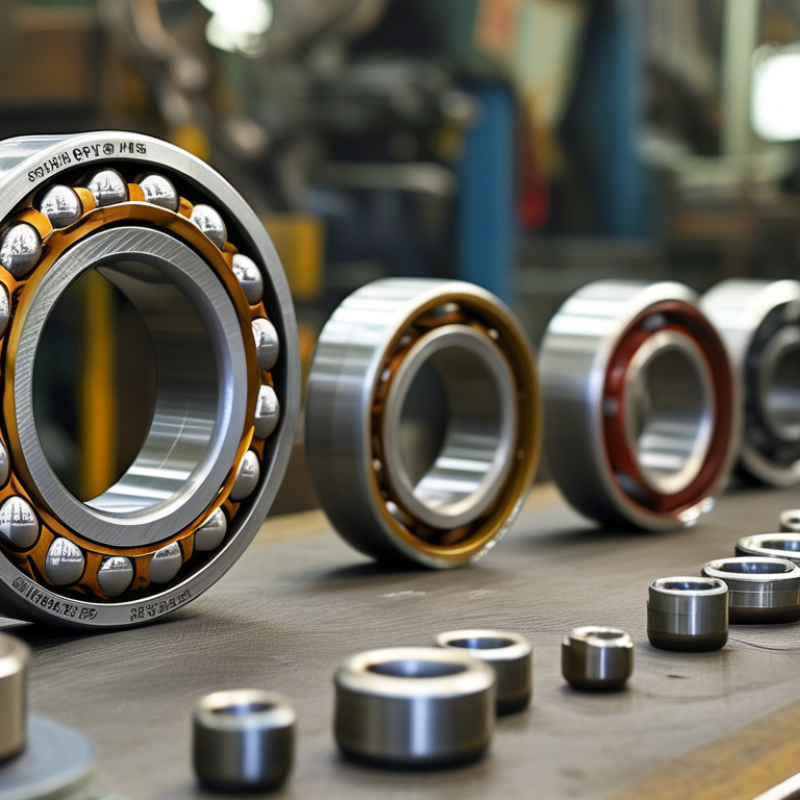
Steel ball bearings play a crucial role in various machinery applications. They facilitate smooth movement between moving parts, reducing friction significantly. Each steel ball in the bearing is designed to distribute weight evenly, ensuring lasting performance. This helps in reducing wear and tear in machinery, prolonging its lifespan.
The functionality of steel ball bearings is impressive yet simple. They allow for rotational motion, which is essential in motors, wheels, and countless other devices. When machinery operates, heat and pressure build up. Steel ball bearings mitigate these effects by minimizing friction. This prevents overheating and potential failure during operation.
However, not all bearings are created equal. Selecting the right size and material is vital. The wrong choice can lead to breakdowns and increased maintenance costs. Regular checks are necessary to ensure optimal performance. Understanding these aspects can help businesses make informed decisions and avoid costly mistakes.
Importance of Steel Ball Bearings in Machinery
The Role of Steel Ball Bearings in Reducing Friction and Wear
Steel ball bearings play a crucial role in machinery and equipment across various industries. Their primary function is to reduce friction between moving parts. By allowing smooth rotation, they enhance efficiency and reliability. Businesses benefit significantly from this reduction in friction, improving overall operational performance.
In applications where high speeds and heavy loads are common, steel ball bearings provide essential support. They minimize wear and tear, extending the lifespan of machinery. For instance, in a manufacturing setting, using these bearings allows machines to function optimally with less maintenance. The long-term savings on repairs and downtime can be substantial. However, companies must select the right bearings for specific applications to fully realize these benefits.
Friction cannot be completely eliminated, but its effects can be mitigated through thoughtful choices. Recognizing the balance between cost and quality is vital. Some may choose cheaper alternatives, but they risk faster deterioration and increased operational costs. This reflection on choices can lead to better results in the long run. Ultimately, understanding the role of steel ball bearings can transform how your business approaches efficiency and reliability.
Key Advantages of Using Steel Ball Bearings for Industrial Applications
Steel ball bearings play a critical role in modern industrial applications. Their primary advantage is durability. They can withstand significant loads and high speeds, making them ideal for machinery. This reliability translates to less frequent replacements, thereby reducing downtime. Industries such as manufacturing, automotive, and aerospace depend on these bearings for their efficiency.
To maximize the benefits of steel ball bearings, consider regular maintenance. Lubrication is essential for ensuring smooth operation. A well-lubricated bearing has a longer lifespan and operates more quietly. Inspecting bearings for wear can prevent unexpected failures. Even small signs of damage can lead to costly repairs.
Steel ball bearings also improve energy efficiency. Machines with high-quality bearings require less energy to operate. This can lead to substantial savings, especially in high-production environments. However, not all bearings are created equal. Some may not meet the rigorous demands of your specific application. Always choose bearings suited for your needs to avoid performance issues down the line. Understanding these nuances can help you make informed decisions for your business.
Factors to Consider When Choosing Steel Ball Bearings for Your Business
When selecting steel ball bearings, several factors demand your attention. The type of application greatly influences the choice. For high-speed applications, consider the bearing's precision and tolerance. According to industry reports, bearings with lower tolerances can reduce efficiency by up to 20%. This highlights the importance of selecting the right specifications for compatibility with machinery.
Material quality is another critical aspect. Steel alloys offer strength and durability, but the right type of steel can enhance performance. For example, bearings made from stainless steel can resist corrosion better, increasing lifecycle by over 30%. However, the initial cost may deter some businesses. Reflecting on these trade-offs is essential for long-term operational efficiency.
Lastly, think about lubrication requirements. Different bearings need specific lubricants for optimal performance. A report from the National Lubricating Grease Institute shows that improper lubrication is a major cause of bearing failures. Inadequate attention to this can lead to increased downtime. Balancing these considerations requires careful analysis and a willingness to adapt strategies as your business needs evolve.
Maintenance Best Practices for Ensuring Longevity of Steel Ball Bearings
Steel ball bearings play a crucial role in machinery and equipment. Proper maintenance ensures they function efficiently. Regular inspections are essential. Look for signs of wear or corrosion. These issues can lead to bigger problems in the future.
Lubrication is another key factor. Use the right type of lubricant based on your operating conditions. Over-lubrication or under-lubrication can both be harmful. Clean the bearings to remove debris that may cause damage.
Timing is important. Replace bearings when they show significant signs of wear. Delaying this step can lead to costly breakdowns. Keep a maintenance log to track performance and issues. This practice encourages proactive management of your equipment. Small efforts in maintenance can yield long-term benefits.