Ultimate Tips for Choosing Plastic Ball Bearings for Your Project?
In the world of manufacturing and engineering, the choice of components can significantly impact the success of a project. Plastic ball bearings, with their lightweight and corrosion-resistant properties, have become increasingly popular. Renowned expert Dr. Jane Anderson, a materials scientist, emphasizes, “Choosing the right ball bearing is crucial for performance and longevity.” This statement underlines the importance of making informed decisions.
When selecting plastic ball bearings, various factors come into play. The type of plastic, load capacity, and operating environment are vital considerations. Projects often fail due to overlooked details. For instance, selecting a bearing not suited for specific temperatures can lead to premature failure. A thorough understanding of your project’s unique demands is essential.
Additionally, beware of common pitfalls. Not all plastic ball bearings are created equal. Some may not withstand high mechanical loads, while others may degrade under certain chemical exposures. The decision-making process should involve careful analysis and perhaps consultation with industry experts. Reflecting on these complexities reveals the challenges in making the right choice.
Understanding Different Types of Plastic Ball Bearings and Their Uses
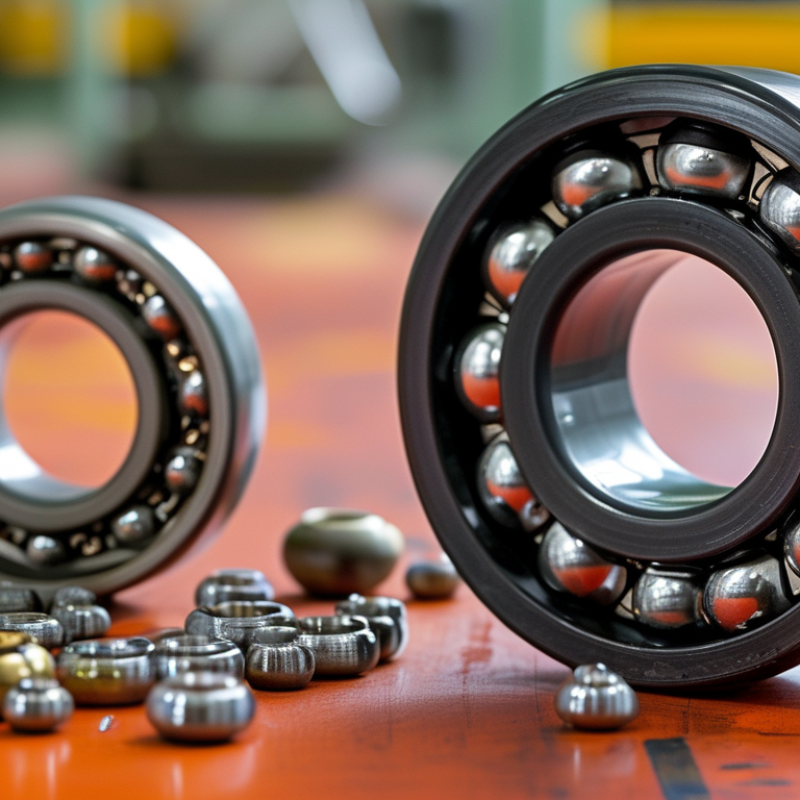
When selecting plastic ball bearings, understanding their types is crucial. Various materials affect performance and durability. Common types include nylon, polypropylene, and acetal. Each material offers unique benefits suited for specific applications. For example, nylon bearings are lightweight and corrosion-resistant, making them a favorite in the chemical industry. Polypropylene bearings provide excellent resistance to harsh environments, while acetal ensures low friction and higher strength.
Data shows that plastic ball bearings can perform well in temperatures up to 80 degrees Celsius. This versatility allows their use in diverse settings. In one study, researchers found that plastic bearings reduced noise levels by 15% compared to metal options. This feature is vital for applications in medical devices and office equipment, where quiet operation is preferred.
However, not all plastic bearings perform the same way under load. Their mechanical strength can limit high-pressure applications. Understanding the load capacity is essential to avoid premature failure. Some users report that improperly matched types lead to increased wear and unnecessary replacements. This reflects a need for careful evaluation in the selection process.
Ultimate Tips for Choosing Plastic Ball Bearings for Your Project
| Type of Plastic Ball Bearing |
Material |
Load Capacity (N) |
Temperature Range (°C) |
Applications |
| Standard Plastic Ball Bearings |
Polymer (Nylon, PTFE) |
200 |
-30 to 90 |
General machinery, conveyors |
| Corrosion Resistant Ball Bearings |
PPS (Polyphenylene Sulfide) |
150 |
-50 to 150 |
Chemical processing, food industry |
| High-Speed Ball Bearings |
Acetal (POM) |
100 |
-20 to 80 |
Robotics, fans, electrical components |
| Low Friction Ball Bearings |
Polyethylene (PE) |
50 |
-40 to 60 |
Gates, conveyor systems |
Key Factors to Consider When Selecting Plastic Ball Bearings
When choosing plastic ball bearings for your project, focus on a few key factors. Material type is crucial. Nylon and acetal are popular options. Both offer good strength and low friction. Think about the operating environment too. If your application involves moisture or chemicals, choose bearings that resist corrosion.
Load capacity is another aspect to consider. Ensure the selected bearings can handle the expected weight or force. Sometimes, you may need multiple bearings to distribute the load. This can prevent premature wear and failure. Additionally, pay attention to the bearing size and fit. A snug fit can enhance performance but avoid excessive tightness.
Noise level could be important based on your application. Some plastic bearings operate quietly, while others may produce noise. Testing different products may reveal unexpected challenges. Always prioritize reliability, but also be prepared to adapt if the bearings don’t perform as expected. Each project brings unique demands, and flexibility is key to success.
Comparing Performance Characteristics of Plastic vs. Metal Bearings
When choosing bearings for projects, the decision between plastic and metal is crucial. Plastic ball bearings often exhibit a lower weight, making them ideal for lightweight applications. Reports indicate that these bearings can be 50% lighter than their metal counterparts. This significant reduction in weight can enhance efficiency in various mechanical systems.
Plastic bearings demonstrate excellent corrosion resistance. This attribute is invaluable in applications exposed to moisture or chemicals. For instance, a study by the Bearing Specialists Association highlighted that plastic bearings could prolong equipment life in harsh environments. However, metal bearings typically excel in high-load scenarios. Their superior strength allows them to handle larger forces, which can be critical in heavy machinery.
Additionally, the friction characteristics differ markedly, impacting overall performance. Plastic bearings often generate less noise, which is beneficial in quiet operations. Yet, they can wear out faster in high-speed situations. This inconsistency calls for careful evaluation based on specific project needs. Balancing the benefits of plastic with the strengths of metal is essential, and each application may present unique challenges that require reflection on the best choice.
Maintenance Tips for Longevity of Plastic Ball Bearings in Projects
Plastic ball bearings are increasingly popular due to their lightweight and corrosion-resistant properties. However, maintenance can greatly influence their longevity in projects. Regular cleaning is crucial. Dust and debris can accumulate over time, causing increased friction and reducing efficiency. Studies suggest that bearings may lose up to 30% of their performance if not properly maintained.
Lubrication is another key factor. It helps reduce wear and tear on the bearings. Using the right type of lubricant is essential. For example, manufacturers recommend considering temperature and environment when selecting lubricants. Over time, lubrication can break down, leading to potential failure. Inspecting bearings routinely for signs of degradation can save costs in the long run.
Environmental factors also play a significant role. Exposure to chemicals can compromise plastic ball bearings. Understanding the specific conditions of your project is vital. Adequate planning around these factors allows for better reliability. These steps, while simple, can often be overlooked. A proactive approach could extend the life of your bearings significantly.
Common Applications and Industries That Benefit from Plastic Ball Bearings
Plastic ball bearings are increasingly utilized in various industries due to their unique properties. These bearings offer excellent corrosion resistance, making them ideal for environments exposed to moisture. Commonly used in the food processing and medical sectors, they ensure hygiene and durability. Their lightweight nature also contributes to energy efficiency in applications like automotive and aerospace.
In robotics and automation, plastic ball bearings support smooth movement and reduce noise. They are preferred in applications where metal bearings might corrode or add unwanted weight. It's interesting that some manufacturers still overlook these benefits, sticking with traditional options. A shift towards plastic can improve performance and longevity.
Household appliances also benefit significantly from the use of plastic ball bearings. From washing machines to fans, they enhance energy efficiency and reduce vibrations. However, not all projects may require plastic bearings, as load capacity must be considered. There is a fine balance between selecting the right material and ensuring optimal performance.