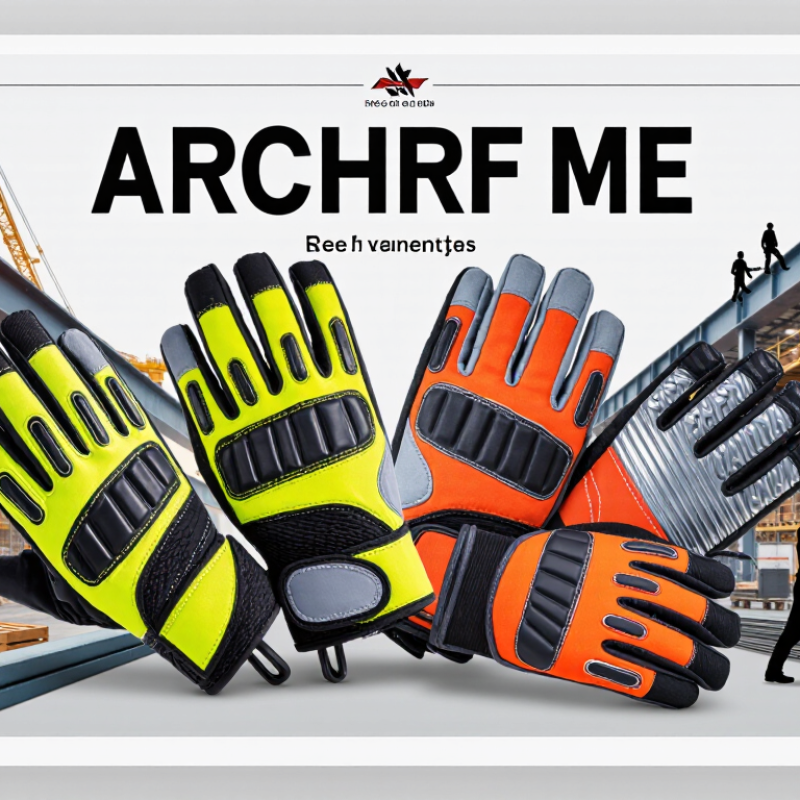
Global buyers are rethinking hand protection as workplace risks become more visible and procurement becomes more data-driven. The International Labour Organization estimates that nearly 3 million workers die annually from work-related causes, while hundreds of millions suffer nonfatal injuries. These figures do not identify impact injuries alone, but they show why dependable hand protection deserves serious attention.
The global market is expanding. Grand View Research and MarketsandMarkets both report continued growth in industrial protective gloves, supported by construction, logistics, manufacturing, and energy demand. Yet market size alone cannot identify the best Bulk Impact Gloves. Buyers must examine impact resistance, cut protection, abrasion performance, grip, dexterity, coating durability, and sizing consistency. A glove may perform well in a laboratory and still disappoint beside oily steel, sharp carton edges, or vibrating tools.
Standards provide a useful starting point. ANSI/ISEA 138 evaluates back-of-hand impact protection, while EN 388 measures mechanical risks, including impact where applicable. These standards help create a common language, but they do not replace field evaluation. Fit matters. So does user training.
A low price can look impressive. It can also become an expensive mistake.
Top suppliers should provide current test reports, traceable production records, material details, and stable bulk quality. Buyers should request samples before approving a container-scale order. This step is often skipped, and that remains a weakness in global sourcing. The strongest choice balances tested protection, comfort during long shifts, reliable delivery, and total cost over the glove’s working life.
Bulk impact gloves are designed to reduce hand injuries during handling, assembly, and material movement. Their core safety function is impact absorption, especially across the knuckles and fingers. Raised thermoplastic rubber panels help spread force when hands strike metal edges or equipment. The palm still needs abrasion resistance and a reliable grip. Without these features, protection may fail during repeated lifting. They are not cut-proof by default.
For bulk buyers, correct sizing is as important as protective materials. Measure the worker’s palm width and finger length before selecting quantities. A worker should close the hand without fighting the glove. Too loose, and the glove may snag. Too tight, and fatigue can appear quickly. Fit matters. In practical warehouse checks, test gloves with cartons, oily tools, and small fasteners. This reveals problems that product sheets may hide.
Material choice also affects long-term value. Synthetic fabric usually dries quickly, while leather can offer a firm grip and durable wear. Breathable back panels may reduce sweat during extended shifts. Check the cuff, stitching, palm coating, and closure strength. For reliable purchasing, request impact, abrasion, and grip test data against recognized standards such as ANSI/ISEA 138 or EN 388. Still, test results are not the whole decision. One overlooked issue is replacement speed. A glove that performs well but is difficult to restock can disrupt daily work.qatigiiss
For global buyers, impact protection is a key purchasing criterion. The ANSI/ISEA 138 standard classifies gloves by the maximum transmitted impact force measured during testing. Lower transmitted force indicates stronger impact attenuation.
Procurement note: ANSI/ISEA 138 Levels 1–3 apply to back-of-hand impact protection. Buyers should also verify abrasion, cut, puncture, grip, dexterity, sizing, and certification requirements for the intended work environment.
Material choice determines comfort, durability, and protection. Nylon and polyester shells offer flexibility for repetitive handling. HPPE fibers improve cut resistance without adding heavy bulk. Leather remains useful in abrasion-heavy work, but it can reduce breathability. Nitrile coatings improve grip around oil and light moisture. However, coating texture can wear faster on rough metal.
Impact protection needs measurable limits. ANSI/ISEA 138-2019 rates gloves from Level 1 to Level 3. Level 3 limits transmitted force to 4 kilonewtons or less. EN 388:2016+A1:2018 uses an impact pass mark, shown as “P.” Buyers should request test reports, not rely on packaging claims. Test results can differ between the palm and back-of-hand zones.
Fit still matters. Bulk buyers should compare dexterity, seam strength, cuff design, and wash performance. A glove with rigid thermoplastic rubber may protect well but slow finger movement. This matters when workers handle small fasteners or tools.
The U.S. Bureau of Labor Statistics continues to identify hand and finger injuries among common workplace injury categories, supporting stronger selection controls. Yet protection ratings alone are incomplete. Field trials, worker feedback, and replacement data often reveal weaknesses that laboratory testing misses. A careful buyer should test several sizes before placing a large order.
Top bulk impact gloves are not automatically the best choice for every workplace. Comparison starts with the hazard, not the catalog photograph. For construction crews, examine impact protection across the knuckles and fingers. For warehouse teams, prioritize grip, flexibility, and low hand fatigue. A thick glove may absorb shocks well but reduce control during small-part handling. That trade-off matters.
Oil, water, and dust can change glove performance quickly. Test the palm coating against the materials workers actually handle. Textured surfaces often improve grip on metal pipes, cartons, and tools. However, some coatings become slippery after repeated contact with oil. Check abrasion, cut, puncture, and tear ratings from recognized testing systems. Ask for current test reports, not only marketing claims.
Bulk buyers should compare sizing consistency, cuff design, packaging, and replacement rates. A secure cuff helps prevent debris from entering during masonry or road work. Breathable liners can reduce sweat in hot warehouses, but they may feel less warm outdoors. Trial samples with several workers before approving a large order. Their feedback may expose problems that laboratory figures miss. No comparison is perfect. Real tasks remain the harder test.
What Are the Top Bulk Impact Gloves for Global Buyers?
Bulk buyers should evaluate sizing before discussing price. A medium glove may feel tight across the knuckles, while a large size may reduce grip control. Ask for a measurement chart, size samples, and the planned size ratio. Test gloves with the actual tools used on site. A sample that fits well in an office can feel different after eight hours of handling.
Certifications require careful checking. EN 388 impact protection and ANSI/ISEA 138 ratings use different testing systems, so buyers should match documents to the destination market. Request current test reports, product specifications, and traceable batch information. Do not rely on printed symbols alone. Customization may include palm coatings, impact guards, cuff styles, colors, and private labels. However, extra features can affect flexibility, lead time, and minimum order quantities. Packaging also deserves attention. Individual polybags, recycled paper sleeves, barcode labels, and export cartons serve different distribution needs. Carton markings should show size, quantity, country of origin, and handling details.
Tips: Confirm the size ratio with worker feedback. Approve a pre-production sample. Check logo placement and color accuracy. Inspect random cartons before shipment. A perfect sample can still hide inconsistent stitching in a large order. That risk is easy to underestimate. Buyers should keep written tolerances for dimensions, coating coverage, packaging, and acceptable defects. Rechecking these details may feel slow, but it prevents expensive surprises.
| Glove Category | Typical Impact Protection | Common Shell and Coating | Available Sizes | Best-Fit Applications | Relevant Certifications or Test Standards | Customization Options | Typical Bulk Packaging | Important Buyer Checks |
|---|---|---|---|---|---|---|---|---|
| General-Purpose TPR Impact Glove | Flexible thermoplastic-rubber impact zones on the back of the hand and fingers. Protection level depends on the tested design. | 13-gauge or 15-gauge knitted nylon, polyester, or blended shell; nitrile, latex, or polyurethane palm coating. | S M L XL 2XL | Construction, material handling, warehouse work, assembly, and general maintenance. | EN ISO 21420 for general glove requirements; EN 388 for mechanical risks; ANSI/ISEA 138 when impact performance is required for the North American market. | Back-of-hand TPR shape, cuff color, knitted logo, printed logo, hangtag, carton artwork, and size-label format. | Usually 6, 10, or 12 pairs per inner polybag; multiple inner bags packed in a corrugated export carton. | Confirm palm abrasion, cut, tear, puncture, and impact test results separately. Check whether the impact coverage matches the buyer's risk assessment. |
| Cut-Resistant Impact Glove | TPR or rubber impact protection combined with a cut-resistant liner; cut performance varies by liner construction and test method. | HPPE, engineered yarn, aramid, or blended liner; nitrile or foam-nitrile palm coating is commonly used. | S M L XL 2XL | Sheet-metal handling, glass processing, automotive parts, fabrication, and logistics. | EN 388:2016+A1:2018 for mechanical risks; ANSI/ISEA 105 for cut resistance in the United States; EN ISO 21420 for sizing, ergonomics, and general requirements. | Liner fiber blend, coating texture, impact-zone layout, cuff length, color coding, logo placement, and retail labeling. | Pair-level polybag or paper band; commonly 6–12 pairs per inner carton and 60–120 pairs per master carton. | Specify the required cut level and test method. Do not compare EN ISO 13997 results directly with ANSI cut levels without conversion guidance. |
| Oil-Resistant Impact Glove | Impact-resistant back-of-hand protection with a palm coating designed to maintain grip in oily or wet conditions. | Nylon or blended knitted shell; nitrile, sandy nitrile, or double nitrile coating. | M L XL 2XL | Oil and gas support work, machinery maintenance, automotive service, and equipment handling. | EN 388 for mechanical risks; EN ISO 21420 for general requirements. EN 374 should not be claimed unless the glove has been tested for specific chemical permeation. | Coating compound, grip pattern, palm reinforcement, cuff color, TPR hardness, printed branding, and packaging language. | Pair bags with moisture-resistant cartons; optional carton dividers for mixed sizes and industrial distribution. | Verify grip after exposure to the intended oils. Oil resistance is not the same as chemical resistance or liquid-proof protection. |
| High-Visibility Impact Glove | TPR impact guards combined with bright shell colors or reflective details to improve hand visibility in low-light work areas. | Fluorescent polyester or nylon shell; nitrile or latex palm coating; reflective tape may be added. | S M L XL 2XL | Road maintenance, utilities, warehousing, construction, and outdoor infrastructure work. | EN ISO 21420 and EN 388 where applicable. High-visibility clothing standards such as EN ISO 20471 should not automatically be applied to gloves unless the product is specifically tested and certified. | Fluorescent color selection, reflective strip placement, logo printing, cuff style, and multilingual labels. | Individual pair bags, color-coded size stickers, and strong export cartons suitable for outdoor or project-based distribution. | Confirm whether visibility is a marketing feature or a certified requirement. Test colorfastness and reflective durability after washing or abrasion. |
| Winter-Lined Impact Glove | Impact-resistant outer construction with thermal lining; dexterity and bulk increase as insulation thickness increases. | Acrylic, polyester, fleece, or brushed thermal liner; latex, nitrile, or PVC palm coating; TPR back-of-hand guards. | M L XL 2XL | Cold storage, winter construction, outdoor logistics, utilities, and roadside maintenance. | EN 388 for mechanical risks; EN 511 for protection against convective and contact cold; EN ISO 21420 for general glove requirements. | Liner weight, cuff length, waterproof membrane option, palm coating, color, logo, and cold-weather packaging instructions. | Moisture-resistant individual bags; commonly 6–12 pairs per inner carton with desiccant where appropriate. | Ask for EN 511 results if cold protection is required. Check flexibility, seam durability, drying instructions, and sizing over base layers. |
| Water-Resistant Impact Glove | Impact protection with a coated or membrane construction intended to reduce water penetration; performance depends on the glove design. | Coated knitted shell, laminated membrane, or treated synthetic leather; nitrile, PVC, or polyurethane palm areas. | S M L XL 2XL | Outdoor handling, landscaping, utilities, agriculture, and wet warehouse environments. | EN 388 for mechanical risks; EN ISO 21420 for general requirements. Water resistance should be supported by a documented product-specific test rather than a generic claim. | Membrane type, cuff closure, seam treatment, coating texture, color, logo, and water-resistant retail packaging. | Sealed or moisture-resistant polybags; reinforced master cartons with internal size separation. | Distinguish water-resistant from waterproof. Confirm duration of water exposure, seam performance, breathability, and drying requirements. |
| Leather-Style Impact Glove | Durable back-of-hand impact guards paired with synthetic leather or leather-like palm reinforcement. | Synthetic leather, split leather, or grain leather palm; polyester or nylon back with TPR guards. | M L XL 2XL | Heavy material handling, rigging support, general construction, and equipment operation. | EN ISO 21420 and EN 388 where tested. Additional claims for heat, welding, or chemical protection require separate applicable testing. | Palm reinforcement, finger seams, knuckle padding, cuff type, leather color, embossed logo, and woven label. | Pair-level paper band or polybag; 6–12 pairs per inner carton and heavy-duty export cartons. | Check leather thickness, seam strength, color transfer, dimensional consistency, and restricted-substance requirements for the destination market. |
| Touchscreen-Compatible Impact Glove | TPR impact protection with conductive fingertips or conductive coating; touchscreen performance can decline with wear, dirt, or moisture. | Nylon or polyester knitted shell; nitrile or polyurethane palm coating with conductive fingertip material. | S M L XL 2XL | Warehouse scanning, delivery services, equipment inspection, and mobile-device workflows. | EN ISO 21420 and EN 388 where applicable. Touchscreen compatibility is generally a functional feature, not a standalone protective certification. | Number of conductive fingers, palm coating, TPR profile, cuff design, logo, color, and test-device compatibility. | Individual pair bags with barcode labels; optional retail card, size stickers, and multilingual instructions. | Test with the actual devices and screen protectors used by the buyer. Confirm performance after abrasion, washing, and exposure to common workplace contaminants. |

What Are the Top Bulk Impact Gloves for Global Buyers?
Selecting bulk impact gloves requires more than comparing the lowest quotation. Buyers should examine supplier experience, factory capacity, material consistency, and documented quality procedures. Ask for production samples from different batches, not only polished samples. Check impact protection, abrasion resistance, stitching, palm grip, cuff strength, and finger movement. A reliable supplier should explain testing methods and provide traceable inspection records. Vague answers are a warning sign.
Cost analysis should include packaging, tooling, inspection, customs handling, and transportation. A low unit price can become expensive when defect rates rise. Request a clear quotation with minimum order quantities, replacement terms, payment stages, and delivery windows. Quality control should cover incoming materials, mid-production checks, and final carton inspections. Random sampling helps, but it cannot replace consistent process control. A perfect sample may hide uneven production.
Tips: Confirm destination requirements before placing a large order. Compare air, sea, and multimodal shipping based on urgency and volume. Measure carton dimensions carefully, because unused space increases freight costs. Ask for moisture-resistant packaging when shipments cross humid routes. Keep a small reserve for size changes or unexpected delays. My own view is cautious: the cheapest supplier may still be suitable, but only after transparent testing and realistic logistics planning.
To learn more about any of the products and services provided by Abbott Ball Company, Inc., simply complete the form below.