Sourcing tungsten carbide balls requires expertise and insight. According to Dr. Emily Carter, an industry expert in materials science, "Understanding the qualities of tungsten carbide balls is essential for successful procurement." This underscores the importance of informed decision-making in sourcing these high-performance materials.
Tungsten carbide balls are essential in various applications, from industrial machinery to precision instruments. Their durability and hardness make them a preferred choice in many fields. However, not all suppliers provide quality products. The variability in manufacturing methods can lead to inconsistencies. Buyers must navigate these challenges effectively.
It's crucial to establish relationships with reputable suppliers. Quality control measures are vital. Engaging with experts can also help identify the right specifications needed for specific applications. By considering these factors, sourcing tungsten carbide balls becomes a more reliable process. Ultimately, informed choices lead to better performance and satisfaction in usage.

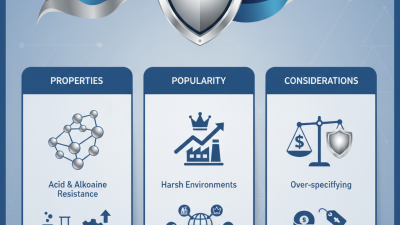
Tungsten carbide balls are crucial in various industries, known for their durability and hardness. Composed of tungsten and carbon, they outperform many metals. This combination gives them exceptional compressive strength and wear resistance. Industry data shows that tungsten carbide's hardness can reach 9 on the Mohs scale, making them ideal for applications in aerospace, automotive, and manufacturing sectors.
However, sourcing these materials poses challenges. Some suppliers may offer low-cost alternatives that compromise on quality. Reports indicate that subpar tungsten carbide can lead to premature wear and failure. It is vital to engage with reputable sources. Evaluating suppliers based on their material certifications and production processes enhances reliability. Understanding the specific composition percentages in tungsten carbide—often around 90% tungsten—can aid in making informed choices.
Choosing the right specifications is essential. Tungsten carbide balls come in various grades, affecting their properties and performance. Recognizing the nuances between these grades can be complex. For example, higher cobalt content increases toughness but may lower hardness. This balance requires careful consideration of the application, which is a common area of oversight. Quality assurance and testing are crucial steps in ensuring optimal product performance.

When sourcing tungsten carbide balls, identifying reputable suppliers is essential for quality assurance. Look for suppliers who provide clear evidence of their quality standards through certifications. ISO 9001 is a widely recognized certification that indicates adherence to quality management practices. However, certification alone does not guarantee consistent quality. It is crucial to assess the supplier’s production process and track record.
Check for reviews and testimonials from other customers. Reliable suppliers often have a portfolio of successful projects. Ask for references and contact previous clients to inquire about their experiences. Transparency in communication is another critical factor. Suppliers willing to share details about their sourcing, manufacturing, and testing processes demonstrate reliability.
Ensure that the tungsten carbide balls meet your specific requirements. Discuss material properties, tolerances, and dimensions before finalizing a purchase. An experienced supplier will offer samples for testing. Never overlook the importance of after-sales support. This may reflect a supplier’s commitment to quality and service.
To sum up, sourcing involves more than just finding a supplier. It requires diligence and thorough vetting to establish partnerships that yield high-quality products reliably.
Evaluating sourcing costs in the tungsten carbide market is essential for effective procurement. Price trends can fluctuate based on various factors. Supply chain disruptions, geopolitical issues, and demand variations all influence prices. Understanding these elements helps businesses anticipate cost changes.
Market research reveals that tungsten carbide prices have been on the rise due to increased demand in various industries. Manufacturers often face challenges in sourcing high-quality materials. These challenges can lead to inconsistent pricing, making it crucial to build relationships with reliable suppliers. Engaging with multiple sources can provide more options and leverage for negotiations.
However, it’s important to be cautious. Over-reliance on the lowest price can compromise quality. Regularly evaluating supplier performance is key. Maintaining a balance between cost and quality will ensure a stable supply. Businesses must acknowledge that sourcing is not just about getting the best price but also about fostering long-term partnerships.
When sourcing tungsten carbide balls, understanding application needs is crucial. The decision to customize or stick to standard sizing can significantly impact performance. Customization may provide better fit and functionality in specific applications. However, it often comes with higher costs and longer lead times. Knowing when to choose one over the other is key.
Standard sizes might seem appealing due to lower costs and quicker availability. Many industries rely on these options for general purposes. Yet, they might not achieve optimal results in specialized tasks. A detailed analysis of your requirements is needed. This can help in deciding the best approach. Consider factors like wear resistance, size precision, and application environment.
Mistakes can happen in sourcing decisions. Some may overlook the importance of material quality. This can lead to premature failure in applications. Assessing the reliability of suppliers is necessary. Cross-referencing product specifications and sourcing history fosters trust. Don't ignore this step; it is vital for long-term success.
| Tip Number | Tip Description | Customization Options | Standard Sizing Availability |
|---|---|---|---|
| 1 | Assess your application requirements to determine the necessity of custom sizes. | Yes, for specific industrial needs. | Available in common sizes like 2mm, 5mm, 10mm. |
| 2 | Consider the hardness and wear resistance needed for your application. | Custom hardness levels can be specified. | Standard hardening levels are available. |
| 3 | Evaluate the production volume to choose the most cost-effective option. | Bulk orders can lead to custom options. | Economical for standard sizes in bulk. |
| 4 | Research suppliers’ quality certifications to ensure standards are met. | Customization may allow for additional certifications. | Standard certified options available. |
| 5 | Understand the lead times for customization versus standard orders. | Longer lead times for custom production. | Quicker delivery for standard sizes. |
| 6 | Factor in shipping costs when ordering from international suppliers. | Custom shipments can vary greatly. | Standard shipping costs may apply. |
| 7 | Consult with engineers for technical specifications needed. | Customization can meet specific technical needs. | Standard specifications may not suit all advanced applications. |
| 8 | Inspect samples before bulk purchasing to verify quality. | Custom samples can be provided upon request. | Samples available for standard sizes readily. |
| 9 | Maintain a good communication channel with the supplier. | Custom needs can be discussed in detail. | Standard orders are straightforward but communication is important. |
| 10 | Stay informed about market trends that could affect availability. | Custom options may fluctuate based on materials. | Standard availability often remains consistent. |
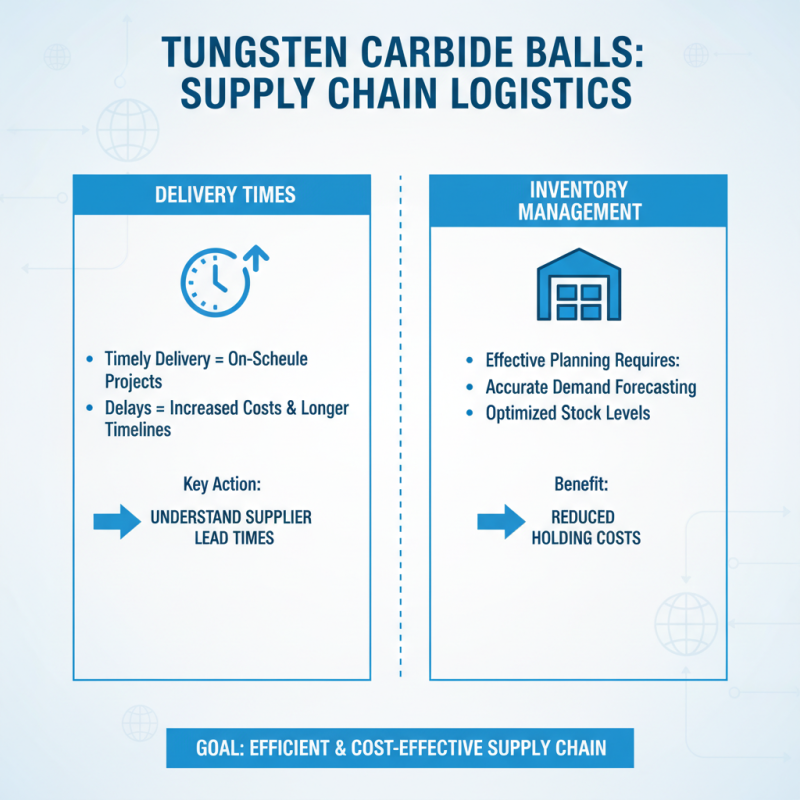
When sourcing tungsten carbide balls, assessing supply chain logistics is paramount. Timely delivery ensures that projects stay on schedule. Delays can increase costs and prolong timelines. Therefore, understanding the lead times from suppliers will help in planning effectively.
Inventory management plays a critical role in sourcing. Keeping a balanced stock is essential. Over-ordering can tie up capital, while under-ordering may lead to stockouts. Implementing just-in-time inventory practices can help. This method reduces holding costs and enhances efficiency. However, one must also consider the risks involved. If demand spikes unexpectedly, the tight inventory could lead to missed opportunities.
Collaboration with suppliers can enhance reliability. Open communication about delivery capabilities fosters trust and reduces potential disruptions. Regularly reviewing logistics performance is beneficial. Reflecting on past delivery issues can lead to improvements. Establishing a robust feedback loop ensures that logistical challenges are addressed promptly. This proactive approach can significantly enhance sourcing effectiveness.
To learn more about any of the products and services provided by Abbott Ball Company, Inc., simply complete the form below.