MON - FRI 8AM - 5PM

Top 10 Uses of 316 Stainless Steel in Modern Applications?

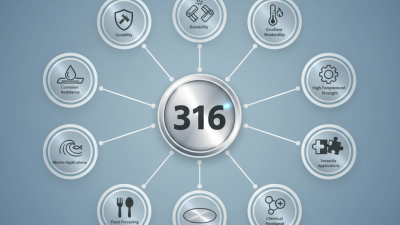
316 stainless steel is a top choice in various industries today. Its exceptional resistance to corrosion makes it ideal for harsh environments. This alloy contains molybdenum, enhancing its strength and durability.

In modern applications, 316 stainless steel is used in marine settings. Boats and structures exposed to saltwater benefit immensely from its properties. Additionally, it is prevalent in food processing. Equipment made from this steel ensures hygiene and safety.

Despite its many advantages, 316 stainless steel has its limitations. It may not be the most cost-effective option for all projects. However, the investment often pays off in long-term performance and reliability. As industries evolve, the usage of 316 stainless steel continues to expand, proving its essential role in contemporary manufacturing.
Top 10 Uses of 316 Stainless Steel in Modern Applications?

Applications in Marine Environments: Saltwater Resistance of 316 Stainless Steel

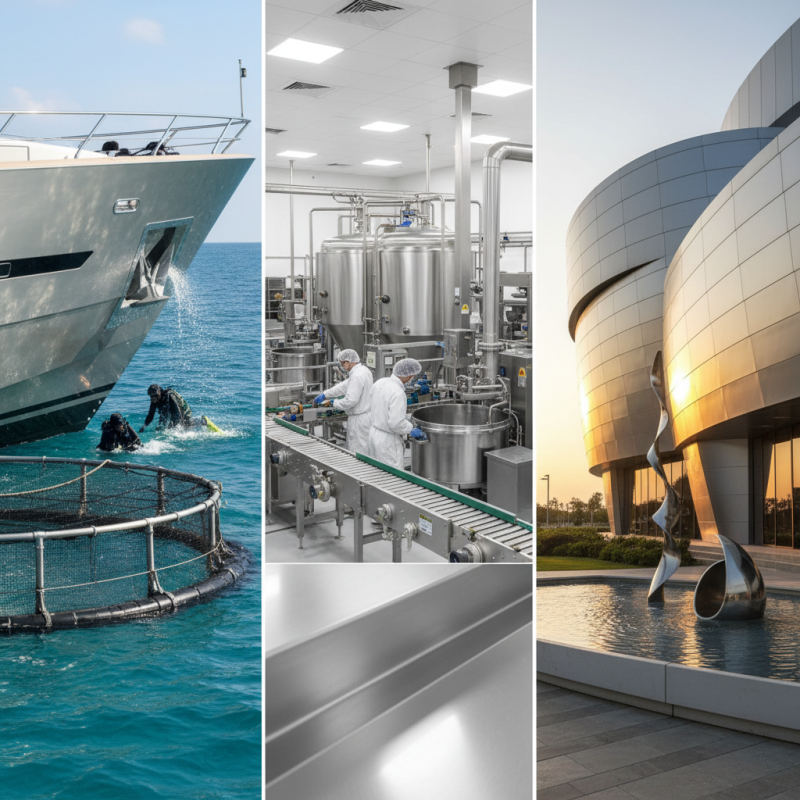
316 stainless steel is renowned for its ability to withstand harsh marine environments. Its composition includes molybdenum, which drastically improves its resistance to corrosion, especially in saltwater. This makes it ideal for boat components, such as hull fittings and railings. In coastal areas, equipment made from lower-grade stainless steel suffers rapid degradation. 316 stainless steel’s durability offers a reliable alternative.

In addition to boats, this alloy is commonly used for marine hardware like anchors and chains. Its high resistance to pitting and crevice corrosion ensures long-lasting performance under challenging conditions. However, maintenance is essential. Even 316 can suffer from wear over time, especially in exposed environments. Regular inspections can help identify early signs of corrosion.

The balance between robustness and care is tricky. While 316 stainless steel performs well, factors like pollution can accelerate wear. It's critical for users to be aware of surrounding conditions. Are they properly maintaining their equipment? The answers to these questions can dictate the lifespan of stainless steel products in marine applications.

Use in Food Processing Equipment for Hygiene and Corrosion Resistance

316 stainless steel is a preferred material in food processing equipment due to its excellent corrosion resistance and hygienic properties. It contains molybdenum, which enhances its resistance to chlorides and other corrosive substances. According to a study from the International Journal of Food Science, using 316 stainless steel can reduce microbial growth on surfaces by up to 90%, making it ideal for environments where hygiene is critical.

In the food industry, equipment is often exposed to harsh conditions. Cleaning chemicals and high temperatures can lead to rust with other materials. However, 316 stainless steel withstands these challenges. A report from the American Society of Mechanical Engineers highlighted that over 60% of food machinery manufacturers opt for 316 stainless steel in their designs. This choice helps maintain product integrity and extends the lifespan of the equipment.

Despite its advantages, there are also limitations to consider. While 316 stainless steel is durable, it can still be costly. In some cases, the price may deter small businesses from using it. Additionally, if not properly cared for, even 316 stainless steel can develop pitting corrosion over time. Understanding these trade-offs is essential for businesses aiming to balance cost and quality in their food processing lines.

Top 10 Uses of 316 Stainless Steel in Modern Applications

Integrating 316 Stainless Steel in Medical Instruments for Durability and Sterilization

316 stainless steel is widely used in medical instruments due to its superior properties. Its resistance to corrosion is essential for maintaining cleanliness and durability. In a clinical setting, sterility is paramount. Instruments must withstand repeated sterilization cycles without losing integrity. According to a study by the International Journal of Medical Engineering, 316 stainless steel maintains its mechanical properties even after extensive exposure to disinfectants.

This steel’s low reactivity makes it a preferred choice for tools that come into direct contact with body fluids. Instruments made from 316 stainless steel are less likely to leach harmful substances. That is vital for patient safety. Yet, the material is not without issues. Some studies suggest that improper handling can lead to surface damage, which may harbor bacteria. Regular maintenance and inspection are necessary for optimal performance.

The manufacturing process must also meet strict standards. Quality control plays a significant role in ensuring the reliability of medical instruments. Despite advancements, slight inconsistencies can arise. These realities underline the continuous need for improvement in material applications. Constant innovation and thorough testing of 316 stainless steel are crucial for future medical advancements.

Construction Applications: Structural Integrity and Aesthetic Appeal of 316 Steel

316 stainless steel is a preferred choice in construction applications. Its corrosion resistance is vital for outdoor structures. This material withstands harsh weather. It maintains structural integrity over time, reducing repair costs.

Aesthetic appeal is another advantage. 316 stainless steel has a bright, polished finish. This adds modern elegance to buildings and public spaces. Architects often incorporate this material in designs. It enhances visual appeal without sacrificing durability.

Tips for using 316 stainless steel: Ensure proper installation to maximize benefits. Regular maintenance is key. Inspect surfaces to prevent potential damage. Avoid using harsh chemicals during cleaning. This prevents corrosion and keeps the material looking pristine. Always consult with professionals for complex projects. Using the right techniques can make a significant difference.

Top 10 Uses of 316 Stainless Steel in Modern Applications

Application Description Benefits
Marine Applications Used in shipbuilding and offshore structures due to high corrosion resistance. Excellent for saltwater environments, ensuring longevity.
Food Processing Equipment Common in kitchens and plants to manufacture food machinery. Ensures hygiene and prevents contamination.
Chemical Processing Used in manufacturing equipment that processes chemicals. Resistant to harsh environments and chemicals.
Architectural Elements Used in building facades, railings, and sculptures. Provides aesthetic appeal with high durability.
Power Generation Used in nuclear and fossil fuel power plants. Ensures safety and reliability under high temperatures.
Pharmaceuticals Used in the production of medicines. Meets stringent hygiene standards and regulations.
Oil and Gas Industry Used in pipeline and storage tanks. Resistant to corrosion and high pressures.
Automotive Parts Used in components like exhaust systems. Enhances durability and performance.
Water and Waste Treatment Used in treatment facilities and pipelines. Highly resistant to corrosion from water exposure.
Construction Fasteners Bolts, screws, and other connectors in construction. Ensures structural integrity and longevity.

Benefits in Chemical Processing: Resistance to Harsh Chemicals and Corrosion

Top 10 Uses of 316 Stainless Steel in Modern Applications?

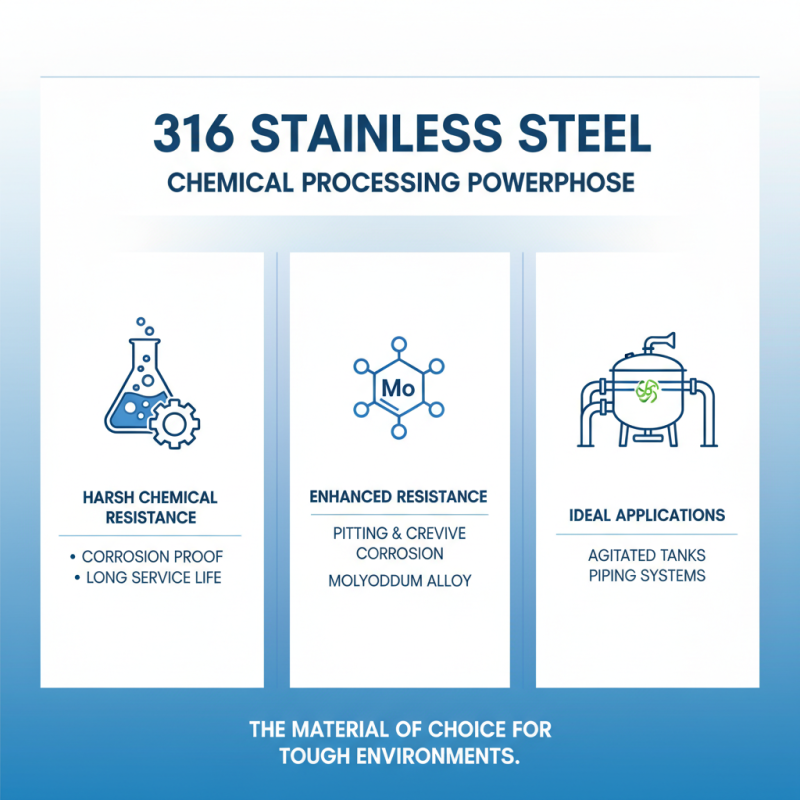
316 stainless steel is a popular choice in chemical processing industries. Its remarkable resistance to harsh chemicals is one of its key benefits. This alloy can withstand corrosive environments that would quickly degrade other materials. Its molybdenum content enhances resistance to pitting and crevice corrosion, making it ideal for agitated tanks and pipes.

In addition to chemical resistance, 316 stainless steel offers durability and strength. It maintains integrity under extreme temperatures and pressures. However, its cost can be higher than other options. Some companies may hesitate, prioritizing cheaper alternatives. Yet, the long-term reliability of 316 can lead to reduced maintenance and replacement costs. This often outweighs initial expenses.

Despite its advantages, 316 stainless steel is not perfect. Fabrication can be challenging due to its toughness. Some engineers worry about machining it without damage. Others may overlook the effects of the environment on the material's lifespan. Regular inspections are vital to ensure safety and performance in any critical application.

Request a Quote

To learn more about any of the products and services provided by Abbott Ball Company, Inc., simply complete the form below.