What is WPC Fence and Why Choose It for Your Project?
Wpc Fence, or Wood-Plastic Composite Fence, has become a popular choice for outdoor projects. According to a report by Freedonia Group, the market for WPC materials is projected to reach $5.6 billion by 2024, reflecting a significant shift in consumer preferences. This shift is driven by the demand for sustainable and durable materials in landscaping and fencing applications. WPC fences offer the aesthetic appeal of wood while providing enhanced longevity and minimal maintenance.
The benefits of WPC fences are evident. They are resistant to moisture, insects, and decay, making them an ideal choice for various climates. Additionally, studies show that WPC products can last up to 25 years, substantially outpacing traditional wood. However, potential buyers should reflect on their specific needs and evaluate the upfront costs, as WPC can require a higher initial investment. This balance is crucial for informed decision-making.
Ultimately, WPC Fence presents a compelling case for homeowners and contractors alike, merging style with longevity. However, as with any product, it’s wise to consider both the benefits and the challenges before making a commitment.
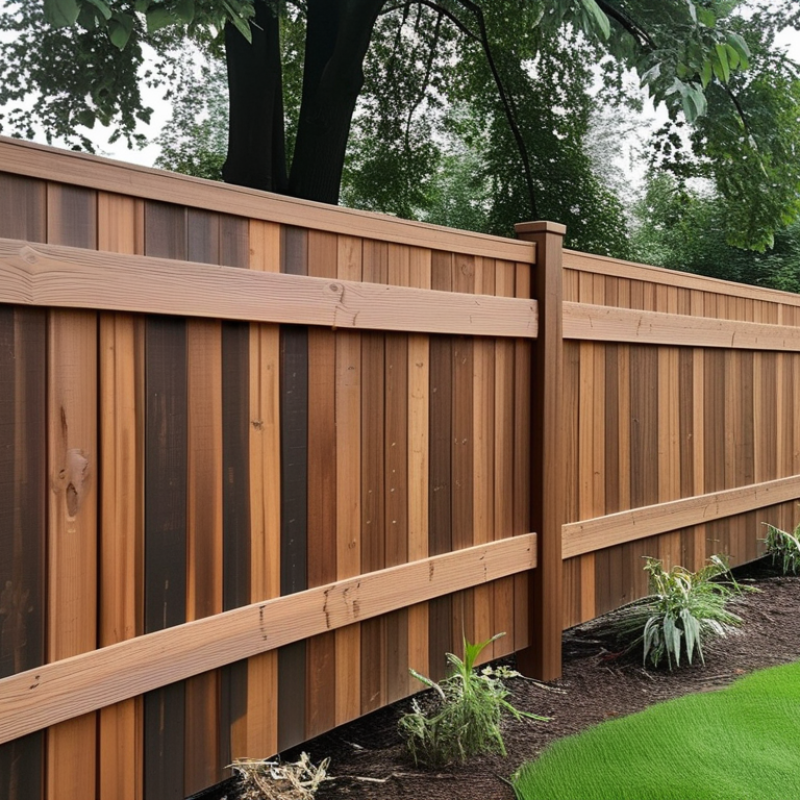
What is WPC Fence and How Does It Compare to Traditional Materials?
WPC (Wood-Plastic Composite) fencing is gaining popularity for several good reasons. It combines the best qualities of wood and plastic, resulting in a durable and low-maintenance material. This fence option resists moisture, rot, and insects. Unlike traditional wood, it does not warp or splinter easily, making it a safer choice for families with children and pets.
When comparing WPC to traditional materials, the differences are clear. Traditional wooden fences require regular staining and sealing. WPC fencing, however, needs minimal upkeep. A simple wash with soap and water keeps it looking fresh. The aesthetic appeal of WPC also matches that of wood. It can mimic the appearance of real wood while offering superior performance.
Choosing WPC fencing has practical benefits. It lasts longer than wood, ultimately saving on replacement costs. Another consideration is its environmental impact. WPC is made from recycled materials, promoting sustainability. Yet, not every WPC product is the same. Quality can vary significantly between manufacturers. Researching options before purchasing is essential.
Before making a decision, evaluate local climate conditions. WPC performs well in varied weather, but extreme conditions might impact its lifespan. Always look for reviews and certifications to ensure the quality of the product.
What is WPC Fence and Why Choose It for Your Project?
| Dimension | WPC Fence | Traditional Material |
| Material Composition | Wood Plastic Composite | Wood/Metal |
| Durability | High resistance to rot and insects | Subject to decay and pests |
| Maintenance | Low maintenance, easy to clean | Requires regular painting/staining |
| Cost | Moderate initial cost but long-term savings | Varies significantly, often higher long-term costs |
| Aesthetic Variety | Available in various colors and textures | Variety depends on specific material |
| Environmental Impact | Made from recycled materials | Often sourced from unsustainable practices |
Key Benefits of Choosing WPC Fence for Residential and Commercial Use
WPC (Wood Plastic Composite) fences are increasingly popular for both residential and commercial projects. These fences combine wood fibers and plastic, creating a durable and versatile material. One key benefit of WPC fences is their low maintenance requirement. Unlike traditional wood, they do not need regular painting or staining. This can save property owners significant time and money over the years.
Another advantage is their resistance to moisture and insects. WPC fences do not warp or splinter like wood, ensuring longevity. They are also resistant to fading from UV exposure. However, buyers should consider that WPC can be more expensive initially than wood. It is essential to weigh immediate costs against long-term benefits.
Installing WPC fencing can enhance the aesthetic of any property. They come in various styles and colors to match your design vision. Yet, some people might find the initial look unnatural compared to solid wood. It’s valuable to assess all sides before making a decision. Understanding your project needs will help in choosing the right fencing material.
Environmental Impact: The Sustainability of WPC Fencing Materials
WPC, or Wood Plastic Composite, is gaining traction for its eco-friendly properties. This material combines wood fibers and recycled plastics, creating a sustainable alternative to traditional fencing. Using WPC reduces the reliance on timber, helping to conserve forests. Its production process also utilizes less energy and generates fewer emissions compared to conventional materials.
The longevity of WPC fencing adds to its environmental value. Unlike wood, which can rot and require replacement, WPC is highly resistant to weather conditions. This means fewer resources are needed over time for repairs and replacements. While it may have a higher upfront cost, the extended lifespan offsets this initial investment. Many people hesitate to switch to WPC due to misconceptions about its aesthetics and durability, but these concerns are often rooted in outdated perspectives.
On the flip side, WPC is not without its challenges. Some products may bend or warp under extreme heat. Awareness of quality variations is crucial for consumers. While this can deter potential users, the growing advancements in WPC technology facilitate ongoing improvements in durability and design. Therefore, opting for WPC fencing can be both a responsible and practical choice for environmentally-conscious projects.
Cost Analysis: WPC Fence vs. Wood and Vinyl Solutions in 2023
WPC (Wood Plastic Composite) fencing is a versatile option that blends wood fibers with plastic. It is designed to imitate the look of wood while offering superior durability and maintenance benefits. As we move through 2023, many homeowners are weighing the costs and benefits of WPC fencing compared to traditional wood and vinyl solutions.
When considering your budget, it’s essential to compare not just initial costs but also long-term expenses. WPC fences generally require less maintenance than wood, meaning you save on repairs and staining over the years. Alternatively, while vinyl may initially seem cost-effective, it can fade and may require replacement sooner than expected. It is important to factor in these hidden costs when making your choice.
If you are leaning toward WPC, keep in mind its unique selling points. It is resistant to insects and rot, which can plague wooden options. However, some cheaper WPC options can compromise on quality. Always seek out reliable suppliers who provide detailed specifications. Research their warranties and customer reviews to ensure you select a reputable product. Make an informed decision by considering both upfront and future costs thoroughly.
Cost Comparison: WPC Fence vs. Wood and Vinyl Solutions in 2023
This chart represents the average cost per linear foot for different fencing options in 2023. It highlights the cost of WPC fencing compared to traditional wood and vinyl fencing solutions.
Maintenance and Longevity: Assessing WPC Fence Durability and Upkeep
WPC, or Wood Plastic Composite, is gaining attention for its durability and low-maintenance qualities. When considering a WPC fence, longevity is a major advantage. These fences resist rot, termites, and fading. Unlike traditional wood, they do not warp or splinter easily. This means they can last for several decades with minimal upkeep.
Maintenance is straightforward with WPC fences. Regular cleaning with soap and water is often sufficient. Unlike wood, there’s no need for periodic staining or sealing. However, some owners report that dirt and grime can build up over time, requiring occasional power washing. It’s an easy fix, but it's a detail that requires attention.
Another factor to consider is climate impact. In extreme weather, even WPC fences can experience wear. While they endure rain and sun better than wood, users should monitor for any signs of fading or surface damage. While WPC fences are robust, no material is entirely maintenance-free. Regular inspections can help ensure they remain in top shape throughout their lifespan.